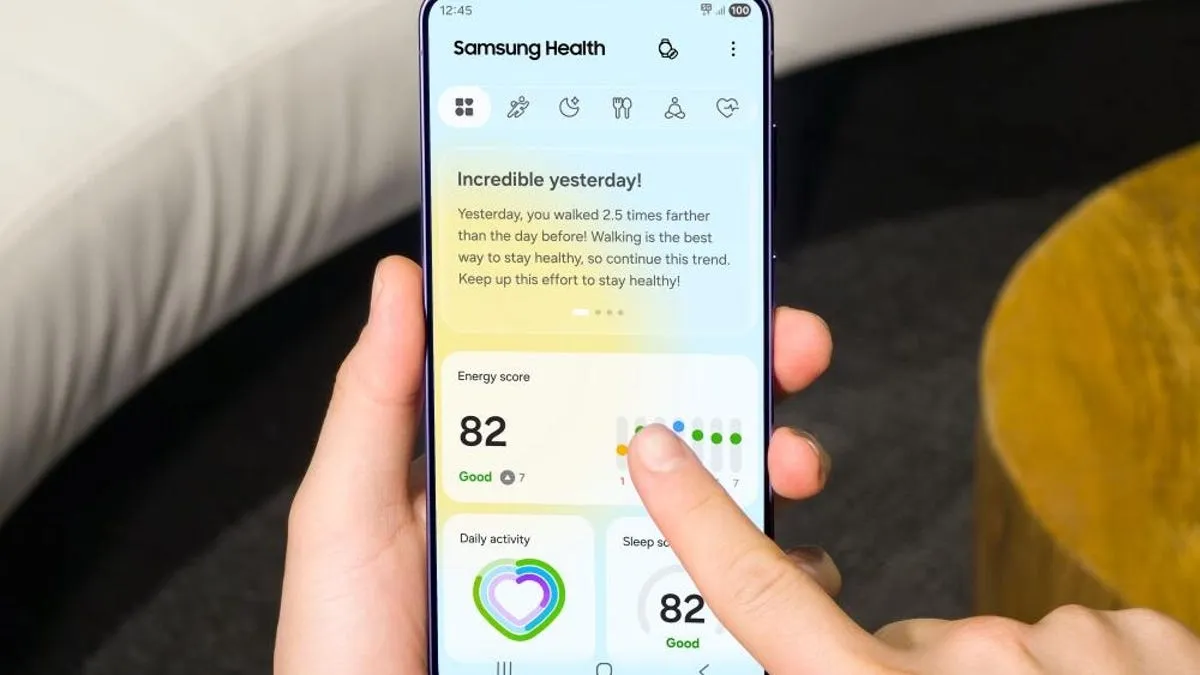
Samsung is significantly enhancing its Health app with a suite of new AI-powered features, set to roll out starting June 8th. These updates, arriving just ahead of the rumored Samsung Galaxy Watch 9 release, aim to transform how users understand and act upon their biometric data. By leveraging artificial intelligence, the app will provide more intuitive and comprehensive insights into users' physical and mental well-being, bridging the gap between raw data and actionable health guidance. Hon Pak, senior vice president and head of Samsung's digital health team, highlighted that the platform is evolving to connect vital health metrics from the Galaxy Watch with AI-driven analysis, allowing for a clearer and more immediate grasp of one's health status.
The core of this advancement lies in new features designed to offer a holistic view of health. These include Vitals, Heart Health Score, Daily Cardio Load, and Fitness Index. Each feature utilizes complex algorithms to process data collected by Samsung wearables, translating it into easily digestible scores and recommendations. This strategic integration of AI aims to make health management more proactive, enabling users to make informed decisions about their lifestyle, training, and rest.
Advanced AI-Driven Health Monitoring Features
The new Vitals feature offers a daily energy score derived from a combination of heart rate, heart rate variability, respiratory rate, skin temperature, and blood oxygen levels. This score is benchmarked against the user's true resting baseline. Significant deviations in any of these metrics will trigger notifications, prompting the user to consider whether increased rest is needed or if these changes might indicate the onset of illness. This proactive monitoring provides an early warning system for potential health issues.
Complementing Vitals, the Heart Health Score builds upon existing capabilities to track vascular load (influenced by sleep, stress, and activity). It integrates this information with body composition data, providing a single score that reflects how daily habits impact long-term cardiovascular health. This feature encourages users to adopt healthier routines by visualizing the consequences of their lifestyle choices on their heart.
Optimizing Performance and Recovery
The Daily Cardio Load feature is designed to guide users in managing their cardiovascular training intensity. It measures the accumulated strain from cardio activities and offers recommendations for optimal training goals and rest periods. By preventing overexertion, this feature helps users avoid burnout and reduce the risk of training-related injuries, ensuring a more sustainable fitness journey.
Furthermore, the Fitness Index provides a comparative analysis of a user's heart rate, VO2 Max (maximal oxygen uptake), and daily step count against those of other Samsung Health users. This benchmark allows individuals to identify their physiological strengths and weaknesses, receiving personalized suggestions for improvement. This competitive yet informative approach can motivate users to push their limits safely and effectively.
Enhanced User Experience and Personalization
Samsung has also revamped the app's layout, organizing insights into five distinct categories: Sleep, Nutrition, Activity, Mindfulness, and Vitals. This streamlined interface is intended to improve navigation and accessibility, making it simpler for users to locate and review their health data.
Within these categories, personalization is key. The Nutrition section now includes an Antioxidant Index, which assesses the impact of dietary choices on the body. Additionally, the Ages Index analyzes nighttime data to generate a longitudinal view of how lifestyle decisions affect the body over time, offering a perspective on biological aging relative to chronological age.
Additional Health and Safety Features
The update also introduces a hearing feature that monitors ambient noise levels captured by the Galaxy Watch. Based on this analysis, the app provides recommendations to help users protect their hearing from potentially damaging noise exposure. This feature underscores Samsung's commitment to comprehensive health monitoring beyond traditional fitness metrics.
These advancements position Samsung Health as a sophisticated health companion, competing with other advanced wearables like the Oura ring and Whoop, which also employ AI for personalized health insights and connectivity with virtual health professionals. Samsung's focus on integrating deep biometric analysis with AI-driven guidance signifies a major step forward in making personal health data more actionable and understandable for everyday users.
Impact Analysis
Samsung's strategic integration of advanced AI into its Health app and Galaxy Watch ecosystem represents a significant evolution in consumer health technology. By moving beyond simple data tracking to offer AI-driven insights and personalized recommendations, the company is setting a higher standard for user engagement and health management. This push towards more predictive and personalized health monitoring could accelerate the adoption of wearables as essential tools for proactive healthcare, potentially influencing preventative health strategies and reducing long-term healthcare costs for individuals and systems alike. The emphasis on a user-friendly interface and diverse health metrics also broadens the appeal of these devices to a wider demographic, making sophisticated health analytics more accessible than ever before.