




Understanding CPU Performance and System Integration
The CPU's Central Role in System Architecture
At the heart of every computer, the CPU orchestrates operations, processing data and executing billions of instructions per second. Its architecture, defined by core count, clock speed, and cache size, fundamentally impacts how efficiently your system performs. A robust CPU is essential not only for demanding applications but also for ensuring smooth interaction with all peripherals and expansion options. The synergy between your CPU and other components, like memory and storage, is crucial for unlocking a system's full potential.
Integrating Peripherals and Enhancements
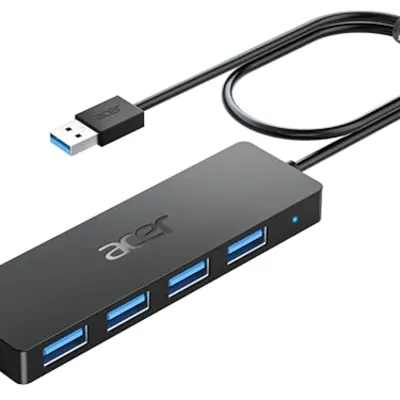
The CPU's integrated controller manages the data pathways to a vast array of devices. For high-fidelity visual experiences, a powerful CPU works hand-in-hand with dedicated Graphics cards, offloading complex rendering tasks to deliver crisp visuals for gaming, content creation, and professional applications. Input/output operations, facilitated by components like a USB hub, are directly managed by the CPU's instruction sets, ensuring seamless communication with connected devices.
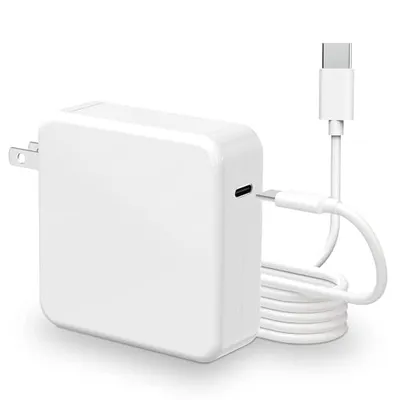
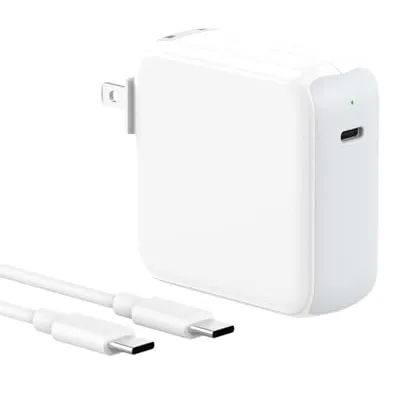
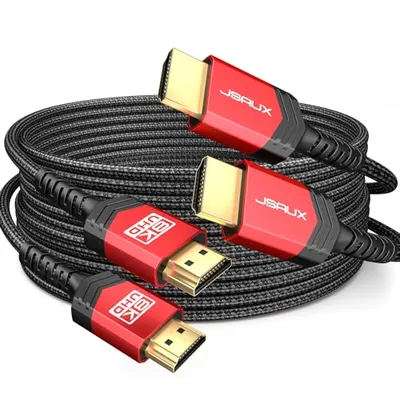
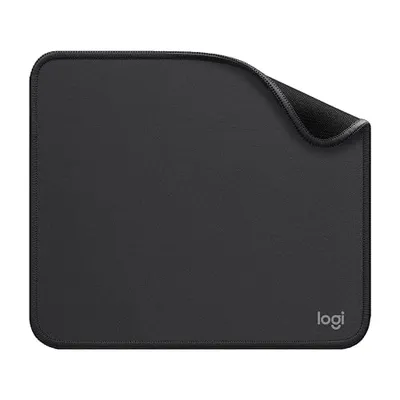
Data transfer and connectivity are paramount, with the CPU overseeing the flow through various adapters and expansion interfaces. Whether you're connecting displays via audio / video cables, enhancing storage through eSATA Cards, or utilizing legacy interfaces with FireWire Cards and their corresponding FireWire Cables, the CPU's I/O capabilities are stretched. Devices such as Webcam for video conferencing or Graphic & Drawing Tablets for digital artistry rely on the CPU to process their input streams efficiently. Even simpler accessories, like a high-quality Mouse Pad for precision input or Wireless Remote Presenters for professional presentations, indirectly benefit from a responsive CPU that can quickly interpret and act upon their signals.
Optimizing for Diverse Computing Needs
Beyond core processing, the CPU influences the effectiveness of a wide range of computing scenarios. For users with Apple ecosystems, the CPU powers the integration of iMac accessories, ensuring compatibility and performance. Modern systems often benefit from enhanced connectivity via Bluetooth Adapters, with the CPU managing the wireless protocols for devices like headphones or keyboards. For multi-display setups or specialized video applications, External Video Display Adapters and dedicated Video Capture devices process significant data volumes that the CPU must handle or coordinate with other dedicated processors.
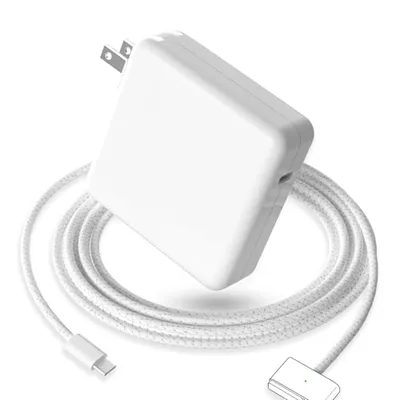
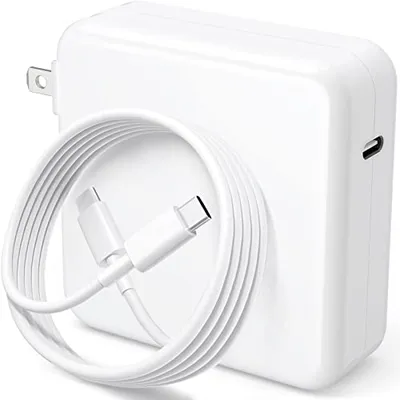
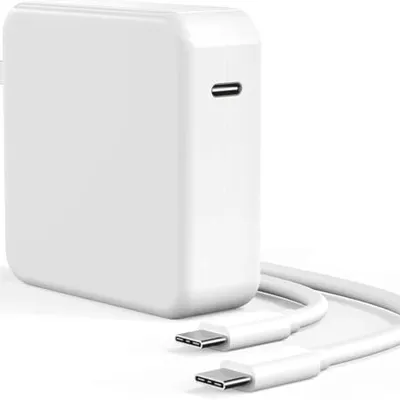
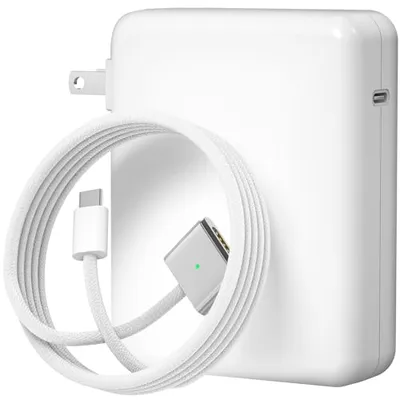
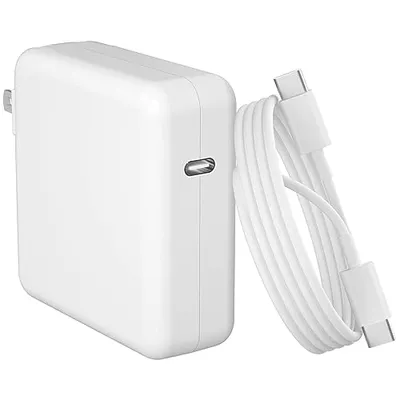
Maintaining optimal CPU performance requires attention to system health. Regular Computer Care & Cleaning, particularly ensuring proper airflow and dust removal, prevents thermal throttling and extends the life of your processor. The use of quality Computer Cables & Adapters, along with Splitters, Couplers & Adapters, ensures reliable data transmission throughout the system. For expanding capabilities, Interface & Expansion Cards offer new ports or functions, all managed under the CPU's purview. Even physical support systems like Docks, Stands & Cooling Pads contribute to system stability and thermal management, directly impacting CPU longevity and sustained performance. From securing your device with Laptop Locks to managing miscellaneous connections with Other Cables & Connectors, the underlying CPU architecture provides the foundational platform for all these integrated experiences, making its selection critical for a cohesive and high-performing system.