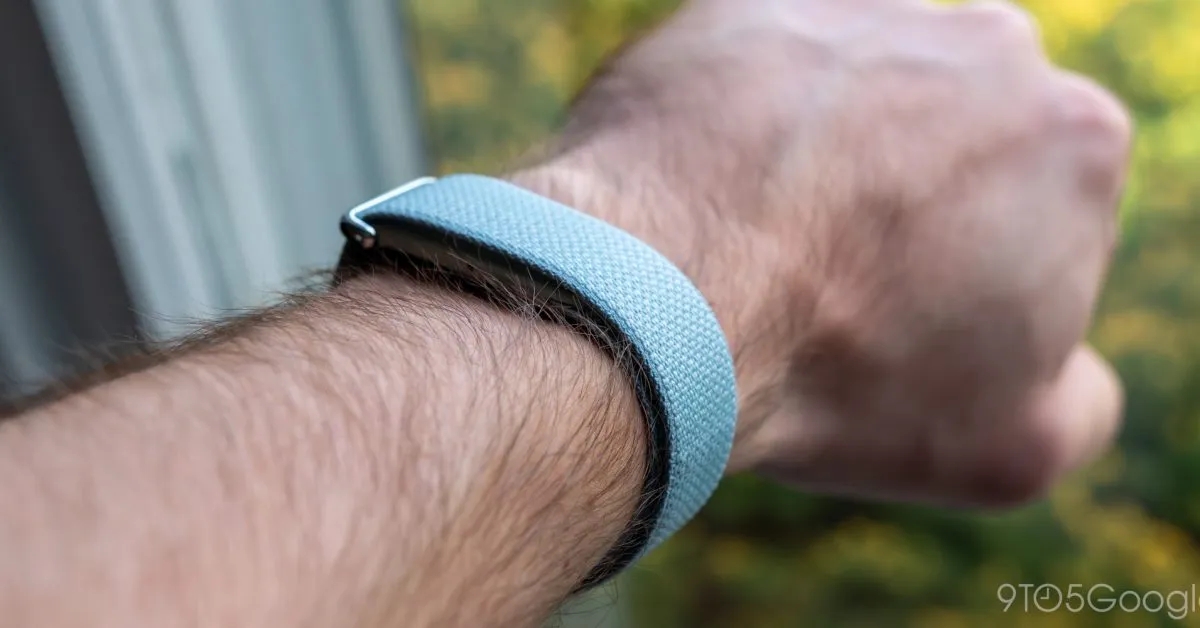
In the evolving landscape of wearable technology, the proposition of a dedicated fitness tracker in 2026 faces stiff competition from increasingly affordable smartwatches. Google's entry, the Fitbit Air, appears to acknowledge this shift, positioning itself as a minimalist band focused on data acquisition rather than a comprehensive smartwatch experience. This approach mirrors competitors like Whoop, suggesting a strategic pivot towards specialized health monitoring. Early impressions indicate that while the core hardware and design are promising, significant questions remain regarding the efficacy and reliability of its integrated AI Health Coach.
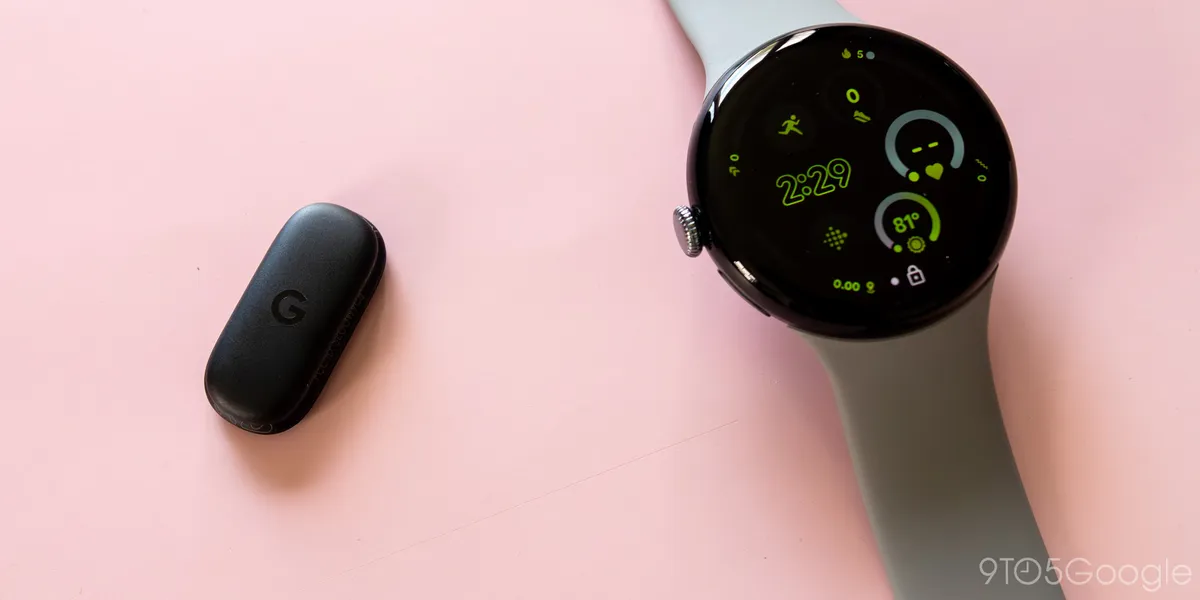
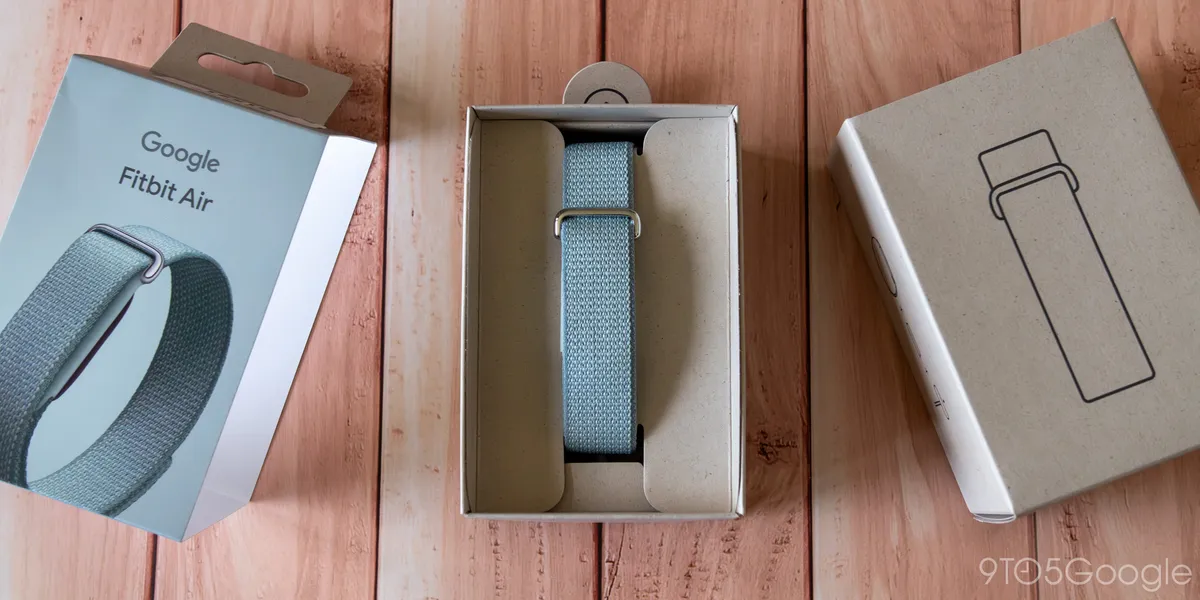
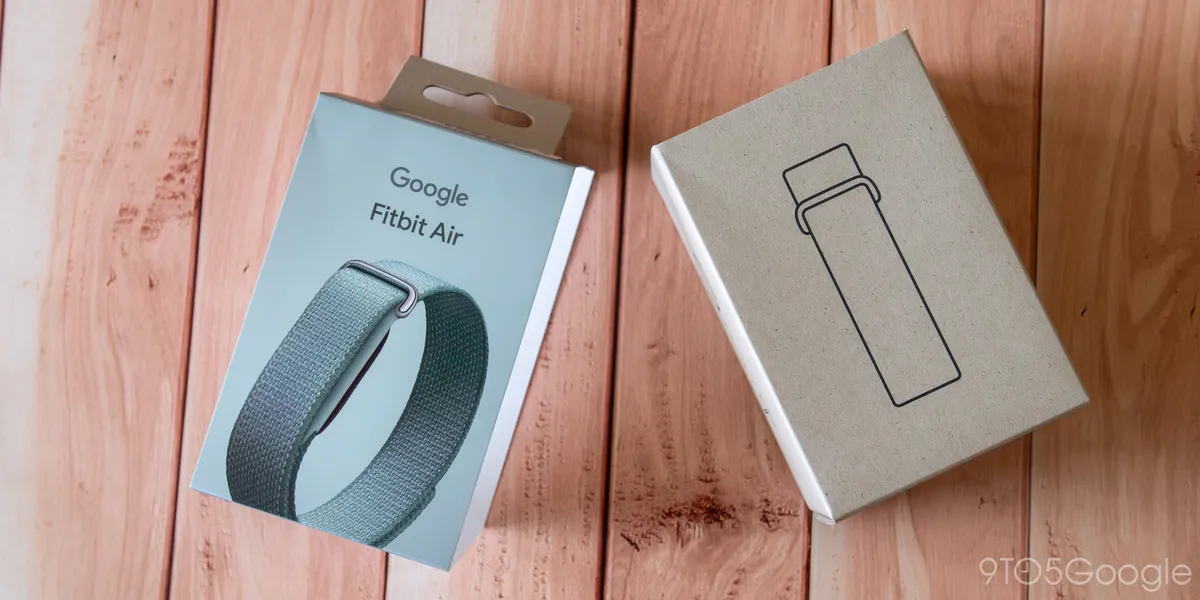
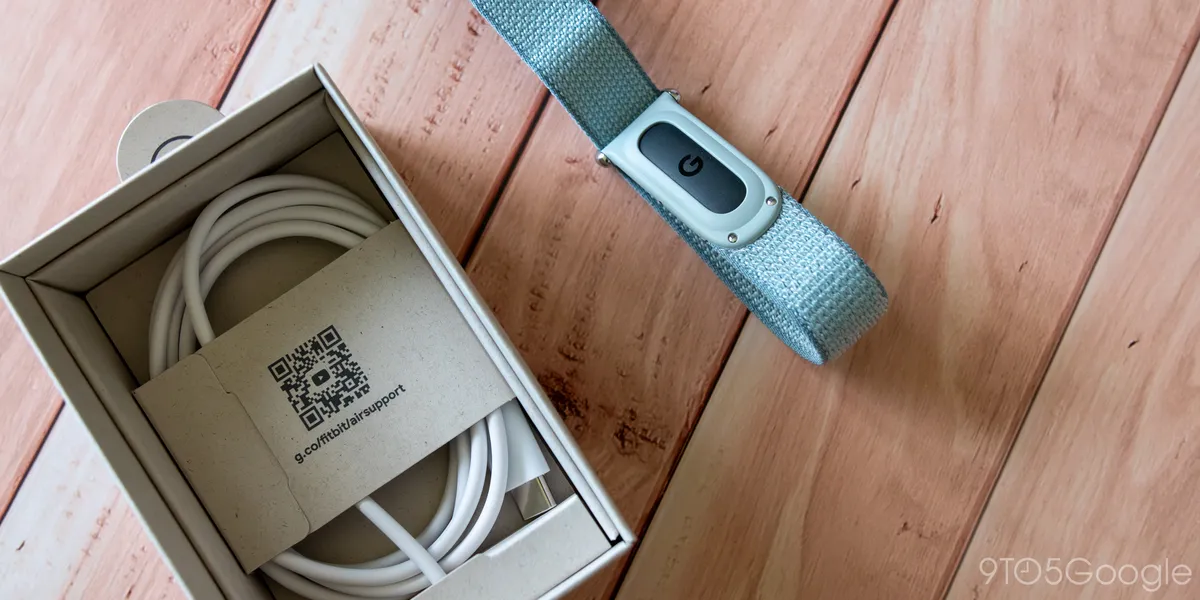
The most striking aspect of the Fitbit Air is its diminutive size and exceptionally lightweight construction. Upon unboxing, the tracker itself is remarkably small, easily dwarfed by many modern wireless earbuds. This extreme portability is further enhanced by a user-friendly band-swapping mechanism that surpasses the complexity of some competing systems. The design prioritizes ease of use, allowing the tracker to be released from its band with a simple push, facilitating quick transitions between different strap styles. Google provides multiple band options, including a Performance Loop, an Elevated Loop, and an Active Band, each offering a distinct aesthetic and feel.
Fitbit Air Design and Ergonomics
The physical design of the Fitbit Air emphasizes discretion and comfort. Its tiny form factor, when removed from its band, makes it difficult to find direct comparisons in terms of sheer size and weight. This minimalist aesthetic extends to the band attachment system, which utilizes a straightforward push-release mechanism, a notable improvement over the slider-based systems found on some competitors. The tracker can be inserted into the band in multiple orientations, but a clear indicator light, activated by a double-tap, guides users to the correct alignment, ensuring optimal sensor contact and functionality.
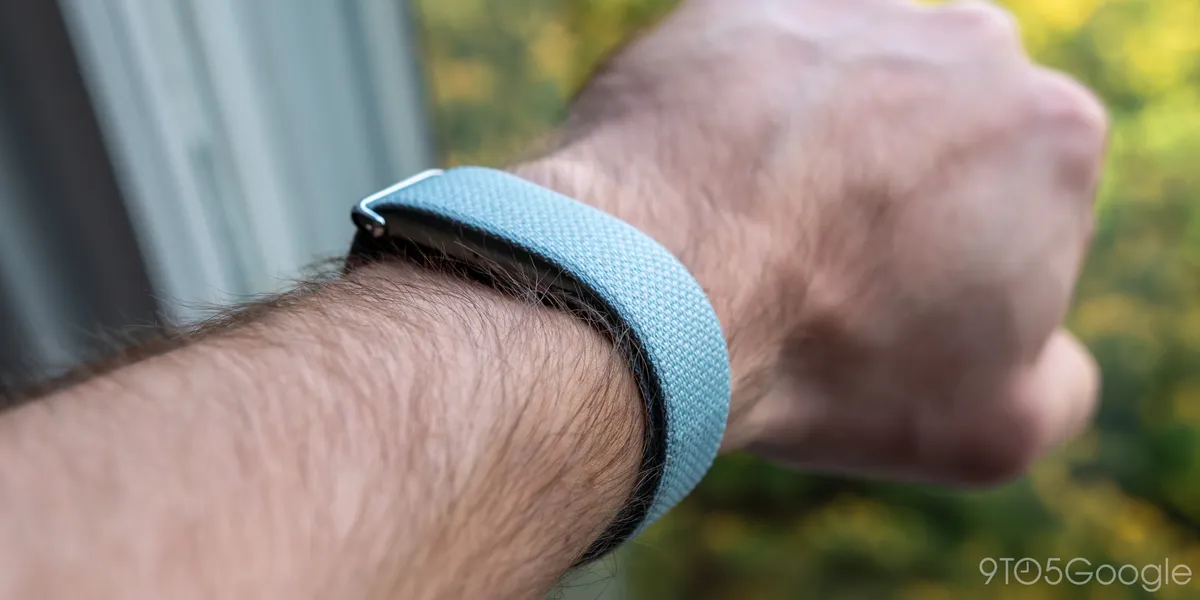 Swapping bands on the Fitbit Air is an intuitive process. The default bands, such as the Performance Loop and the Elevated Loop, feature cutouts that allow for easy access and removal of the tracker. Even the more encompassing Active Band, made from silicone, provides a way to push the tracker through from the rear. This ease of band exchange is crucial for users who prefer to switch between different styles or for cleaning purposes. The small indicator light serves a dual purpose: confirming correct orientation within the band and providing a visual cue for battery status.
Comfort is a paramount consideration for any wearable device, especially one intended for continuous wear, including sleep tracking. The Fitbit Air excels in this regard, largely due to its minimal weight. Users have reported that the device is exceptionally comfortable during sleep, often going unnoticed on the wrist. While the built-in vibration alarms are effective in waking users, the overall lack of physical presence makes for an unobtrusive wearing experience during rest periods. Further testing is required to definitively rank the comfort and utility of the three available band options.
Health Coach: A Significant Question Mark for Google's Fitness Strategy
The integrated Health Coach feature represents the most significant point of concern for the Fitbit Air. This AI-driven component, effectively a rebranded Fitbit Premium, is designed to be the primary interface for users seeking personalized fitness insights within the companion app. A prominent chatbot button offers users the ability to query their virtual coach about various aspects of their health and fitness journey. However, initial experiences suggest a lack of reliability and accuracy in the AI's responses.
Early testing has revealed instances of the Health Coach providing inaccurate information or presenting basic data in an overly verbose manner, masking a lack of deep analysis. In one documented case, the AI recommended rest following a poor night's sleep and a weightlifting session, but then incorrectly extrapolated a 5.2-mile run that did not occur. This type of 'hallucination' is particularly concerning for a subscription-based service that costs $10 per month or $100 annually. The persistence of fabricated data within the AI's home screen layout, even after correction, further erodes confidence in its dependability.
AI Hallucinations and User Trust
The tendency of AI models to generate inaccurate or fabricated information, often referred to as 'hallucinations,' is a well-documented challenge. In the context of a health and fitness coach, such inaccuracies can be more than just inconvenient; they can potentially mislead users and undermine their training efforts. The Fitbit Air's Health Coach, in its current iteration, appears to struggle with distinguishing between logged data and hypothetical scenarios, leading to recommendations that are not grounded in the user's actual activity.
This unreliability is especially problematic given that the Fitbit Air is positioned as a serious contender in the data-driven fitness tracking market. Users expect accurate and actionable insights from their wearables. The fact that the AI coach generated incorrect data on the initial days of use, even admitting to fabricating information, sets a concerning precedent. While Google offers a trial period for Health Coach, the long-term value proposition is questionable if these AI-driven errors persist. Users are encouraged to be cautious and critically evaluate the advice provided by the Health Coach until improvements are demonstrated.
Hardware Strengths and Future Potential
Despite the reservations surrounding the AI Health Coach, the fundamental hardware of the Fitbit Air appears to be robust. The tracker's small size, light weight, and comfortable fit contribute to a positive user experience, particularly for sleep tracking and general wearability. The variety of band options allows for customization to suit different preferences and activities.
As a basic fitness tracker, the device successfully captures essential health metrics. Its performance in capturing heart rate, sleep patterns, and activity levels will be a key focus in subsequent evaluations. If Google can refine the accuracy and utility of its Health Coach, or offer a compelling alternative data interpretation method, the Fitbit Air could establish itself as a strong competitor in the minimalist fitness tracker segment. For now, its appeal lies primarily in its hardware design and core tracking capabilities, with the AI coaching feature requiring significant improvement to warrant a premium subscription.
Impact Analysis
The introduction of the Fitbit Air, particularly its minimalist design and reliance on AI coaching, signals a potential strategic direction for Google in the competitive wearable market. By offering a device that competes directly with specialized trackers like Whoop, Google is exploring a niche focused on continuous, passive health data collection. However, the early performance issues with the AI Health Coach highlight a critical industry-wide challenge: ensuring the reliability and accuracy of AI-generated insights in sensitive domains like health and fitness. The success of the Fitbit Air, and potentially future Google wearables, will hinge on its ability to overcome these AI-related hurdles, balancing innovative features with dependable, trustworthy data analysis. The market will be watching closely to see if Google can refine its AI offerings to meet user expectations for accuracy and value.