Beyond Dedicated E-Readers: Expanding Your Digital Reading Horizon Across Computing Platforms
Versatility of Digital Reading Platforms
While dedicated e-book readers offer unparalleled focus and eye comfort for text-heavy novels, the broader landscape of digital devices presents numerous alternatives for consuming electronic content, from academic papers to graphic novels. Understanding these options allows users to select the device that best aligns with their specific reading habits and broader computing needs. The fundamental difference often lies in display technology, processing power, and the primary intended use of the device, each offering distinct advantages for various digital reading scenarios.
High-Performance Reading on Laptops
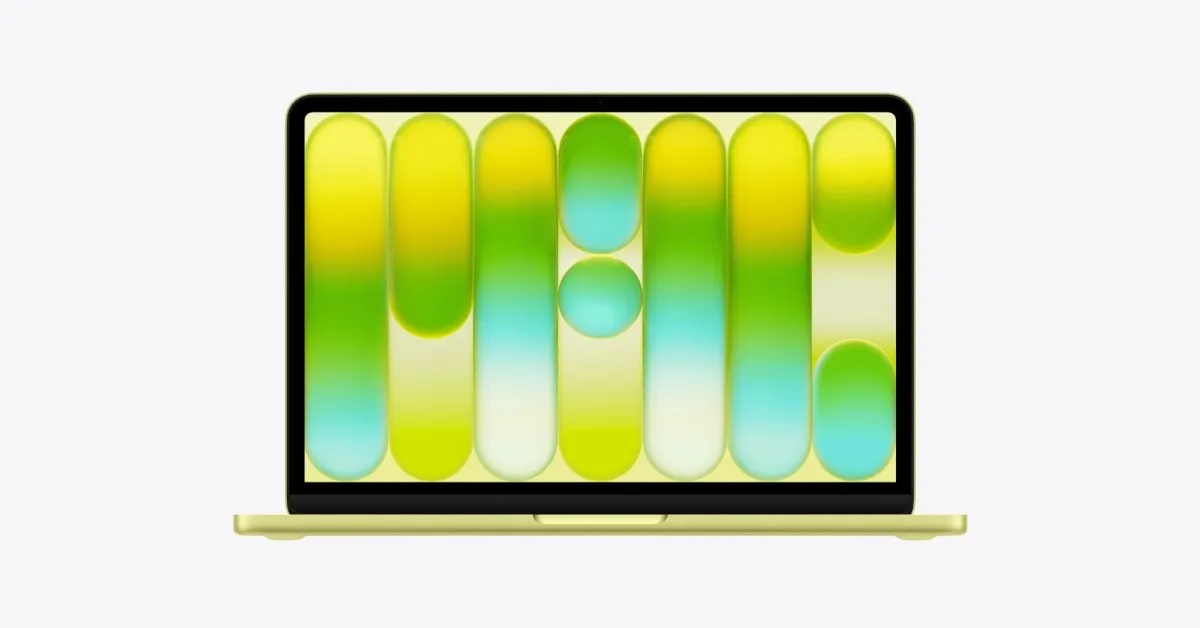
For those requiring robust computing alongside their reading, traditional laptops provide immense versatility. Devices like an Apple MacBook, renowned for its premium build quality, macOS ecosystem, and vibrant Retina display, offer an exceptional platform for rich-media content, detailed PDFs, and graphic-intensive e-books. Its powerful processors ensure smooth multitasking, allowing users to switch seamlessly between reading, research, and productivity tasks. Similarly, the Apple MacBook Air provides a highly portable yet powerful option within the Apple family, maintaining excellent display quality in a lighter form factor ideal for mobile professionals and students who need a full computing experience while also enjoying their digital library through apps like Apple Books or third-party readers.
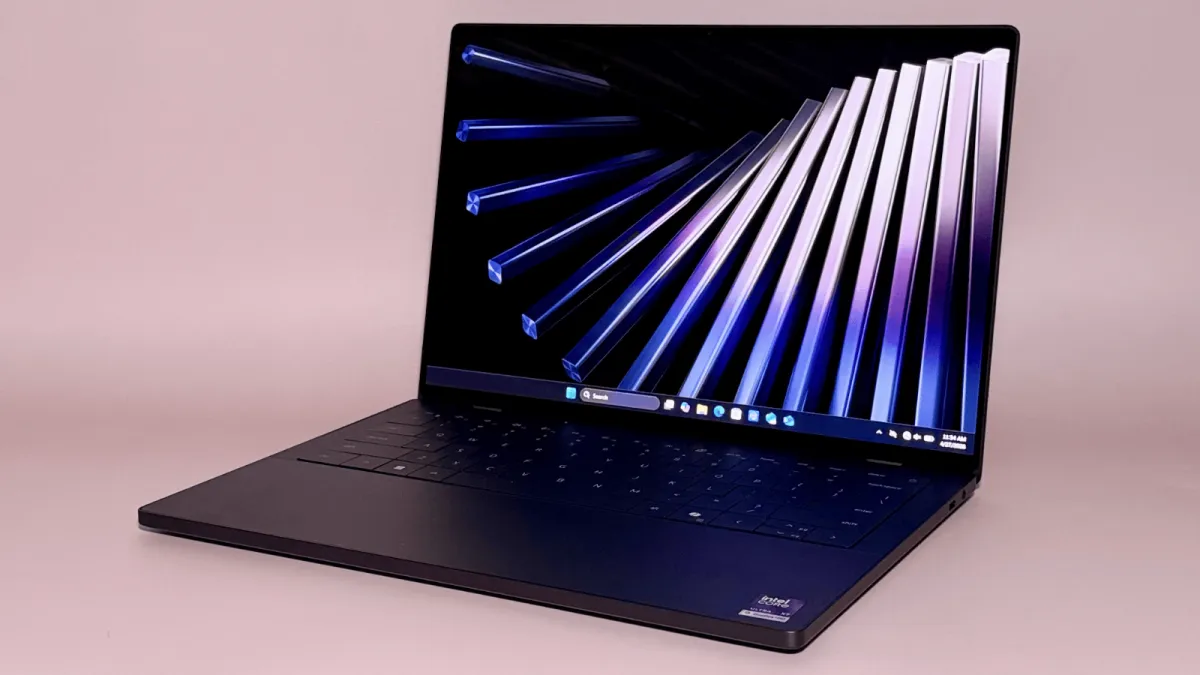
On the other hand, Windows Laptops represent the broadest category, offering an immense range of specifications, price points, and form factors. These machines are capable of running virtually any e-reading application, complex PDF annotation software, and specialized academic databases, making them incredibly versatile for both casual reading and intensive research. Their adaptability means users can find a Windows laptop perfectly suited to their budget and performance requirements, ensuring a rich reading experience across diverse platforms and ecosystems.
Cloud-Centric and Flexible Reading Solutions
Chromebooks emerge as an excellent, often more affordable alternative, particularly for users whose digital reading primarily involves web-based content, online articles, or Android applications. Their lightweight operating system and emphasis on cloud services make them quick to start and highly portable, ideal for students or individuals who need a straightforward device for browsing and consuming digital content without the overhead of a full desktop OS. They offer a streamlined approach to digital reading, often integrating well with various online e-book platforms and allowing access to Google Play Books or Kindle for Web.
The innovation of hybrid designs further expands reading possibilities. 2-in-1 Laptops, sometimes referred to as 2 in 1 Laptops, bridge the gap between traditional laptops and tablets. These devices feature touchscreens and often convertible or detachable keyboards, allowing them to transform into a tablet-like form factor. This flexibility is particularly advantageous for reading, as users can hold the device like a book or tablet for a more natural and comfortable experience, especially when engaging with magazines, comics, or interactive textbooks where touch input and a full-color display are beneficial. Their ability to serve as a full-fledged laptop for productivity and then effortlessly convert into a dedicated reading device for leisure makes them a compelling choice for multi-faceted digital consumers seeking the best of both worlds.