A prominent YouTuber from Massachusetts has embarked on a journey to China, immersing himself in the rapidly evolving electric vehicle (EV) landscape. His objective was to gain firsthand insights into the advanced state of Chinese EV manufacturing and to understand the underlying reasons behind the significant import barriers imposed by the United States. This exploration delves into the technological prowess and market dominance that Chinese automakers are achieving, challenging the perception that they are merely playing catch-up in the global automotive industry.
The US has implemented substantial import tariffs and various taxes aimed at curbing the influx of Chinese-manufactured vehicles. However, the YouTuber's findings suggest that the reasons for these restrictions may be more complex, extending beyond simple trade protectionism to encompass issues of technological parity and potential security concerns. The insights gathered offer a critical perspective on the geopolitical and industrial dynamics shaping the future of electric mobility.
China's Ascent in the Electric Vehicle Market
Chinese automotive manufacturers have strategically pivoted from attempting to replicate established Western and Japanese gasoline-powered vehicles to leapfrogging technological generations and focusing intently on the burgeoning electric vehicle sector. This forward-thinking approach has allowed them to anticipate and capitalize on evolving market demands for all types of EVs, from compact and affordable models to luxurious and high-performance machines.
Brands that were once niche or focused on other sectors, such as BYD, Chery, and Xiaomi, have rapidly ascended to become dominant forces in the EV market. Their aggressive product development extends to hybrid vehicles as well, acknowledging the continued demand in markets where consumers may still be hesitant to fully embrace pure electric powertrains. This comprehensive strategy has positioned Chinese automakers to the point where traditional European and American manufacturers are now in a reactive, catch-up position.
Technological Prowess and Innovative Offerings
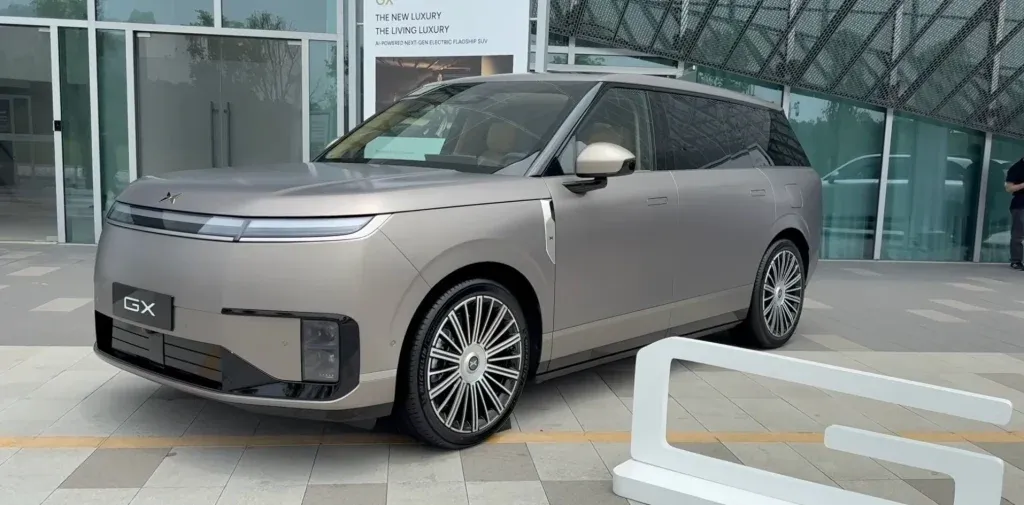
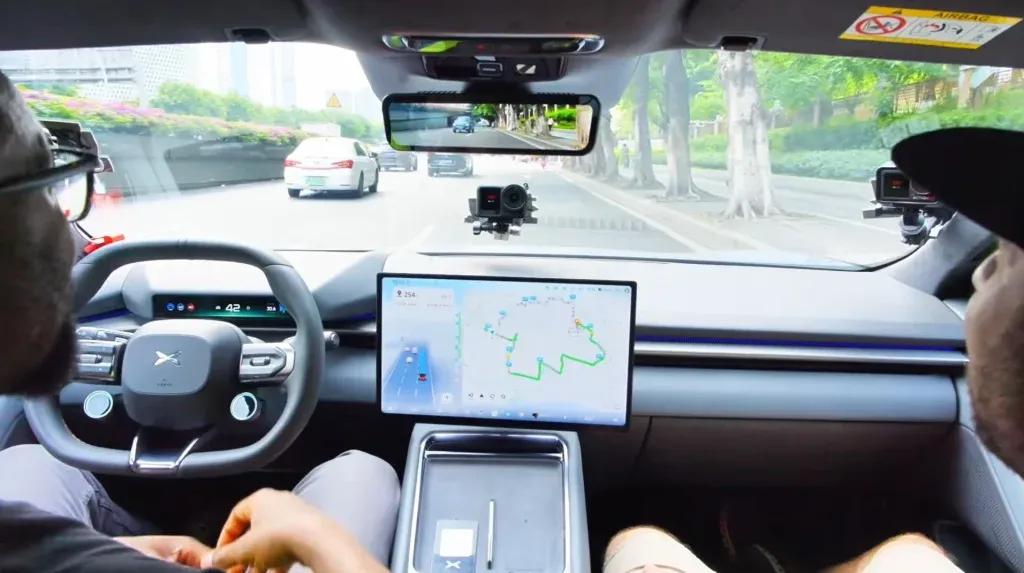
The YouTuber, identified as Rich Rebuilds, has documented extensive testing of various Chinese EVs. His experiences include evaluating models like the BYD Yangwang U8, an SUV notable for its amphibious capabilities and unique maneuverability, and a hybrid sedan that offers a striking resemblance to the Porsche Taycan at a significantly lower price point. These vehicles demonstrate a level of innovation and refinement that challenges conventional assumptions about Chinese automotive products.
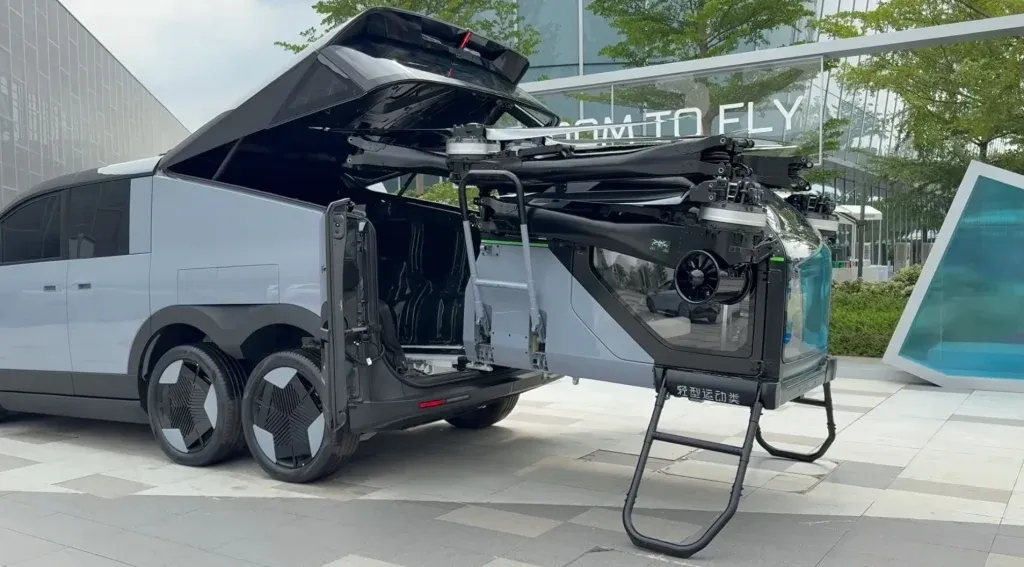
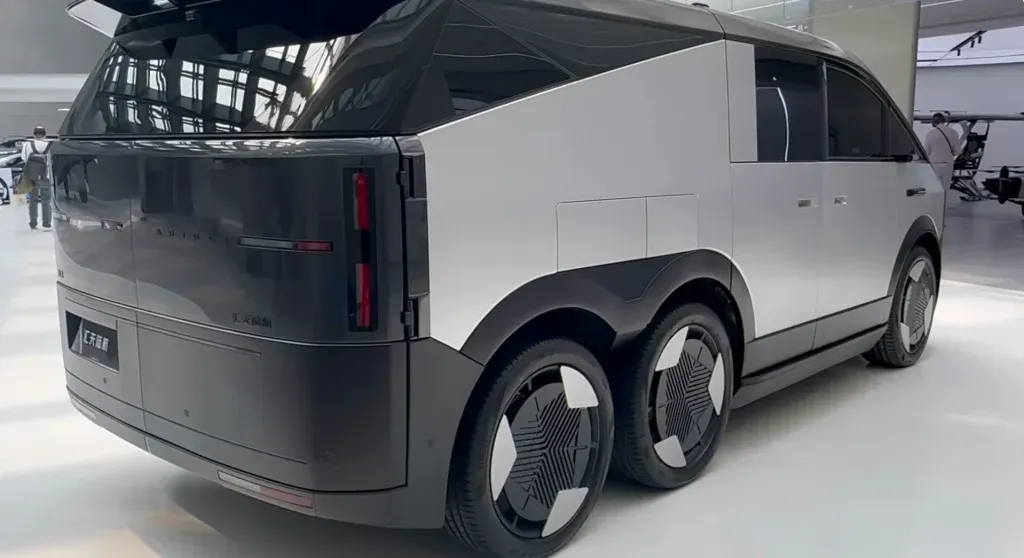
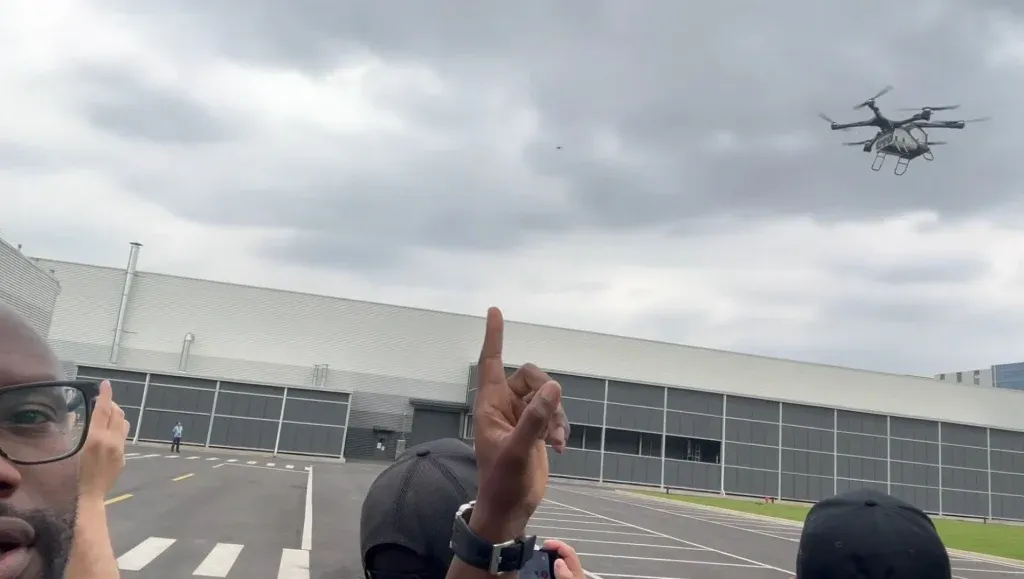
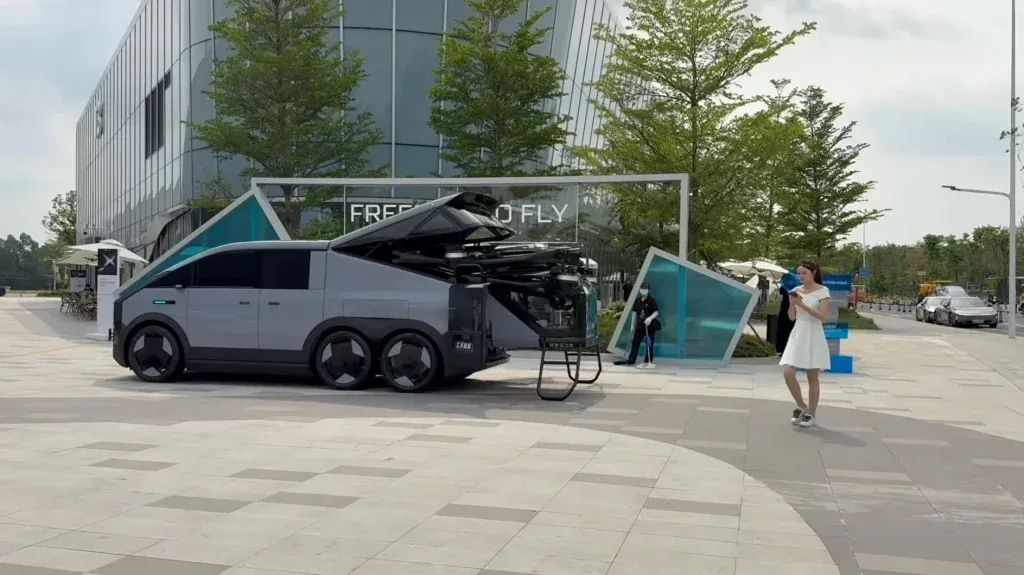
During his visit, Rich Rebuilds also had the opportunity to experience the Aridge flying car, developed by Xpeng's former AeroHT division. The Aridge vehicle presents a dual-purpose design, appearing as a conventional car with folded wings when on the ground and capable of flight. Additionally, he observed other advanced concepts, such as a six-wheeled SUV with an integrated drone. Rich Rebuilds posits that the sheer quality and competitive pricing of these vehicles pose a significant challenge to established American automotive competitors, a primary reason for their limited availability in the US market.
“After actually driving these cars and seeing the factories and seeing the infrastructure and seeing how serious these companies are taking electric vehicles, I don’t think people in America fully understand what’s happening over there yet,” he commented. “China is no longer trying to catch up. China has caught up and that changes things.” This sentiment underscores a fundamental shift in the global automotive power dynamic.
Cybersecurity and Data Sovereignty Concerns
Beyond the competitive threat posed by advanced and affordable EVs, a significant factor influencing import restrictions revolves around cybersecurity and data management. In an era where vehicles are increasingly defined by their software, the potential for remote hacking and control presents a novel security challenge. Unlike traditional mechanical systems, modern EVs are susceptible to digital breaches that could compromise safety and functionality.
Instances of remote power output adjustments in EVs highlight this vulnerability. Furthermore, concerns have been raised by European nations like Norway, Denmark, and the UK regarding their fleets of electric buses. Reports indicate that these vehicles could theoretically be remotely disabled by the manufacturers. This reliance on centralized servers for vehicle operation raises critical questions about data sovereignty and national security, particularly when servers are located outside the vehicle's domestic market.
The geographic location of these control servers is paramount. For vehicles operating within the United States, the preference is for server infrastructure to be domestically based, rather than relying on servers located in China. This principle is presented as a key deterrent to the widespread adoption and sale of certain Chinese EVs within the US, irrespective of their technological merits. While competitive prowess is a factor, the paramount concern appears to be safeguarding against potential external control and data compromise.
Impact Analysis
The insights shared by the Massachusetts-based YouTuber illuminate a critical juncture in the global automotive industry. China's rapid advancement in EV technology, coupled with its aggressive market strategies, presents a formidable challenge to established players. The US imposition of tariffs and the underlying cybersecurity concerns reflect a broader trend of nations grappling with the implications of foreign technological dominance and data control. This dynamic is likely to intensify as EVs become more integrated into national infrastructure and personal lives, necessitating careful consideration of trade policies, technological standards, and national security protocols to foster a balanced and secure global automotive market.