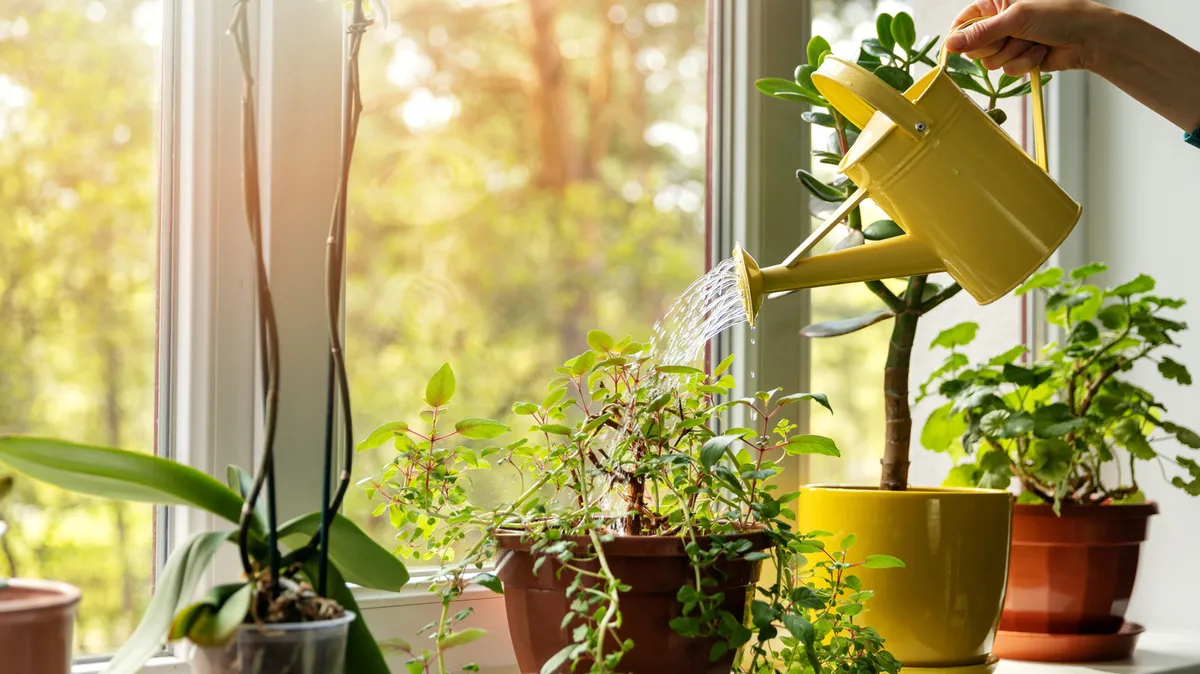
Maintaining healthy houseplants involves more than just adhering to a consistent watering schedule. Experienced plant enthusiasts understand that subtle signs often indicate a plant's distress, signals that can be easily overlooked. One critical indicator is how the soil in a potted plant behaves during watering. If water rapidly drains through the container, pooling excessively in the drainage saucer, it suggests a significant problem rather than efficient drainage. This phenomenon is a strong signal that the potting soil has degraded and requires replacement.
Over time, potting mediums undergo a natural breakdown. The organic components, crucial for water retention and aeration when the soil is fresh and light, are gradually depleted by plant roots and microbial activity. This decomposition leads to soil compaction, diminishing its ability to absorb and distribute moisture effectively. As the soil structure deteriorates, it often pulls away from the pot's edges, creating channels through which water readily escapes. This condition, known as hydrophobic soil, prevents plant roots from accessing necessary hydration, even when the plant is watered.
Understanding Soil Degradation and Hydrophobia
The transformation from a light, fluffy potting mix to compacted, hydrophobic soil is a gradual process. Initially, fresh potting soil is designed to act like a sponge, with its rich organic matter providing ample pores for water and air. However, as a plant grows, its roots absorb nutrients and physical space within the pot. Simultaneously, the organic constituents within the soil begin to decompose. This decomposition reduces the soil's overall porosity and its capacity to hold moisture evenly.
When soil becomes hydrophobic, it loses its ability to wick moisture effectively. Instead of absorbing water uniformly, it develops an aversion to it. This means that when you water the plant, the water bypasses the root ball, flowing directly through the compacted soil and out the drainage holes. The upper layers of the soil may remain visibly dry, and the plant's roots, which are typically located in the lower part of the pot, receive little to no hydration. This scenario leaves the plant vulnerable to under-watering stress, even with regular watering practices.
Identifying the Need for Repotting
Before proceeding with a full soil replacement, it is advisable to perform a simple test to confirm the soil's hydrophobia. Sometimes, a severely dehydrated plant can be revived through a method known as bottom-watering. This involves placing the potted plant in a basin or sink filled with lukewarm water, allowing the soil to absorb moisture from the bottom up for approximately 15 minutes. If, after this process, the top layer of the soil remains dry or the water still drains through too quickly without significant absorption, it confirms that the soil needs to be replaced.
This bottom-watering technique can help rehydrate compacted soil to some extent. However, if the soil's structure is fundamentally compromised, this method will only provide temporary relief, if any. Persistent dryness, rapid water runoff, and visible separation of the soil from the pot walls are definitive signs that the potting medium has lost its beneficial properties and is hindering the plant's health. The plant's inability to absorb water is a clear signal that its environment needs to be refreshed.
The Process of Replacing Potting Soil
Replacing the soil in a potted plant requires a gentle yet thorough approach. Begin by carefully removing the plant from its current container. This is often achieved by tipping the pot and gently sliding the plant and its root ball out. Once free from the pot, carefully work to remove as much of the old, compacted soil as possible from the roots. The goal is to free the roots without causing unnecessary damage.
Select a high-quality potting mix that is appropriate for the specific needs of your plant species. Fill the bottom of a clean pot with a layer of the new potting soil. Position the plant in the center of the new pot, ensuring it is at the correct depth, typically no lower than it was in its original pot. Fill in the remaining space around the root ball with the fresh potting mix, gently firming it to eliminate large air pockets. After repotting, water the plant thoroughly to help settle the new soil and promote root-to-soil contact. This process revitalizes the plant's growing environment, providing it with the necessary nutrients and moisture-retention capabilities it needs to thrive.
Impact Analysis
The ability of plant owners to recognize and address soil hydrophobia is fundamental to successful indoor gardening. Promptly replacing degraded potting soil ensures that plants receive adequate hydration and nutrients, preventing stunted growth, leaf drop, and root damage associated with prolonged dehydration. This proactive maintenance not only preserves plant health but also enhances the aesthetic appeal of indoor greenery and contributes to a healthier living environment. Understanding soil science at this level empowers individuals to become more effective caretakers of their botanical collections.