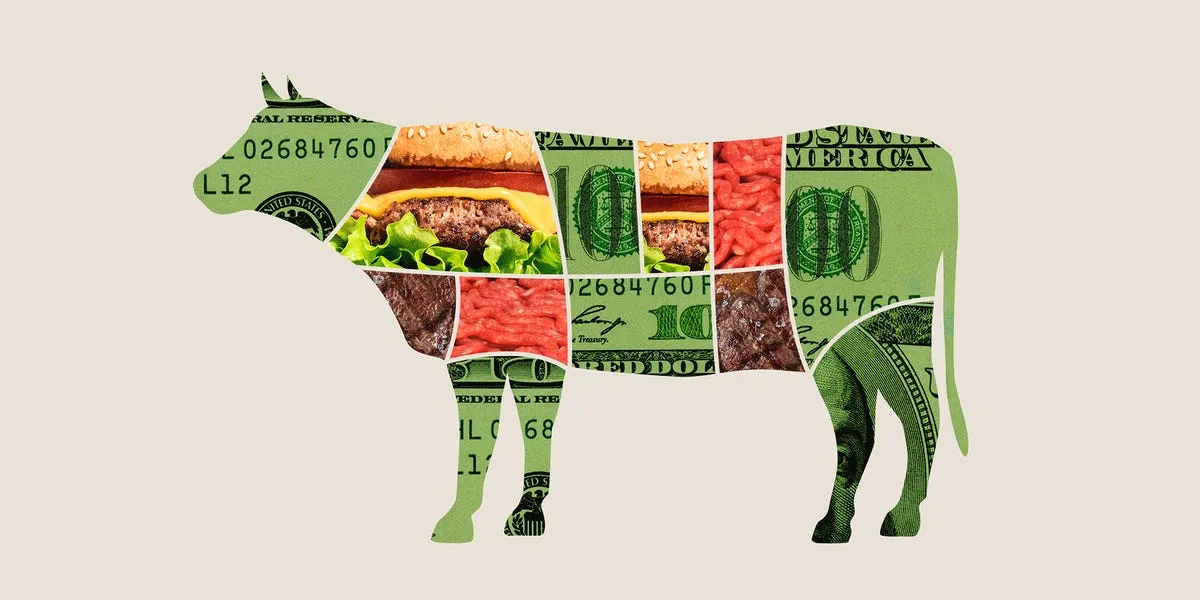
The United States is currently grappling with a significant increase in beef prices, a trend driven by a historically low cattle herd. This situation, exacerbated by supply chain pressures and a sustained high consumer demand for red meat, is creating financial strain for consumers as grilling season approaches. The U.S. cattle inventory has dwindled to approximately 86.2 million head, marking one of the lowest levels in decades, according to the U.S. Department of Agriculture (USDA). This scarcity directly translates to higher costs at the meat counter, with ground beef prices reaching record highs and overall beef and veal prices seeing a nearly 15% increase year-over-year, outpacing general inflation.
This accelerated appetite for beef, partly influenced by evolving dietary guidelines and a growing focus on protein intake among fitness enthusiasts and those reducing processed foods, is colliding with a severe supply-side constraint. Consumers are spending more on beef than ever before, even as they purchase less of it. The economic reality is that the consumer's dollar is buying less beef, creating a palpable tension between demand and the ability of the agricultural sector to meet it. This confluence of factors points to a prolonged period of elevated beef prices, with little immediate relief in sight.
Factors Contributing to the Cattle Herd Depletion
The current predicament is the result of a complex interplay of economic, environmental, and demographic factors that have impacted cattle ranchers over the past decade. A prolonged period of low cattle prices in the 2010s prompted many ranchers to reduce the size of their herds. This strategic contraction, aimed at mitigating financial losses, has had a lasting effect on the overall supply. Adding to this challenge, persistent drought conditions across key cattle-raising regions have severely limited the availability of essential forage. Ranchers face the difficult decision of purchasing expensive supplemental feed or reducing their herds further.
The biological and logistical realities of rebuilding a cattle herd are also significant contributors to the sustained high prices. The process of raising cattle is inherently lengthy. A female calf kept for breeding will not produce her first offspring until approximately 2028, and that calf will require several more months to reach market weight. This multi-year cycle means that herd expansion is a slow and deliberate process, with significant lead times required before new animals enter the supply chain. This extended timeline makes rapid responses to market demand virtually impossible.
Demographic Shifts and Rancher Hesitancy
The aging demographic of cattle ranchers presents another substantial hurdle to herd recovery. The average age of a beef producer hovers around 63 years, according to industry analysts. Many of these ranchers are approaching retirement and have little incentive to undertake the capital-intensive and labor-intensive multi-year commitment required for herd expansion. The substantial upfront investment in breeding stock and the long waiting period for returns, coupled with the physical demands of ranching, make new ventures less appealing, particularly for an older generation preparing for retirement.
Furthermore, the barriers to entry for younger generations aspiring to enter the cattle ranching business are considerable. High startup costs, rising interest rates on loans, and the prolonged period before profitability are significant deterrents. The lifestyle itself, far removed from typical white-collar professions, also presents its own set of challenges. Consequently, there is a notable lack of interest from younger individuals in taking over or initiating cattle ranching operations, further limiting the potential for future herd growth and perpetuating the current supply deficit.
Consumer Behavior and Rancher Economics
Despite the rising costs, consumer demand for beef remains robust. This sustained appetite, driven by cultural preferences, dietary trends, and the perception of beef as a primary protein source, puts additional pressure on the already strained supply. Ranchers, facing high operational costs including feed and replacement cattle prices, are often incentivized to sell their animals for slaughter rather than retaining them for breeding, especially when current market prices offer immediate financial returns.
For instance, operations like Grand View Beef, a younger-generation farm, have seen the cost of a 500-pound calf more than double since 2017. This necessitates price increases for their final products, such as ground beef and sirloin, to maintain profitability. While customers often exhibit understanding, the economic reality forces price adjustments. Some ranchers, like those at Grand View, are attempting to mitigate future risks by investing in their own small herds, but this requires significant long-term financial commitment and carries its own set of market risks, underscoring the complex economic calculus involved in the current beef market.
Market Dynamics and Herd Replenishment Outlook
Market intelligence suggests that cattle herd cycles typically operate on a 10-year pattern of expansion and contraction. While replenishing the national herd to historical levels of 90-95 million cattle is achievable, the current trend shows a liquidation of animals rather than an accumulation. This means more cattle are being sent to slaughter than are being retained for breeding, further exacerbating the supply shortage.
The sustained liquidation, coupled with the inherent biological timelines for herd growth and the demographic challenges facing ranchers, indicates that the current high prices for beef are likely to persist for an extended period. The agricultural sector faces a long road ahead to rebuild cattle populations to a point where they can adequately meet consumer demand without significant price premiums. This complex situation requires strategic planning and investment across the entire beef production value chain.
Impact Analysis
The ongoing shortage in the U.S. cattle herd and the subsequent surge in beef prices have significant implications beyond the grocery store. For consumers, it means a sustained period of reduced purchasing power when buying beef, potentially leading to shifts in dietary habits and increased consumption of alternative proteins. For the food service industry, restaurants face higher costs, which may be passed on to customers or absorbed, impacting profit margins. Economically, the situation highlights the fragility of agricultural supply chains and the long-term consequences of decisions made during periods of low commodity prices and environmental stress. It also underscores the demographic challenges facing traditional agriculture and the need for innovation and investment to ensure future food security and stable markets. The agricultural sector's ability to navigate these challenges will shape food prices and availability for years to come.