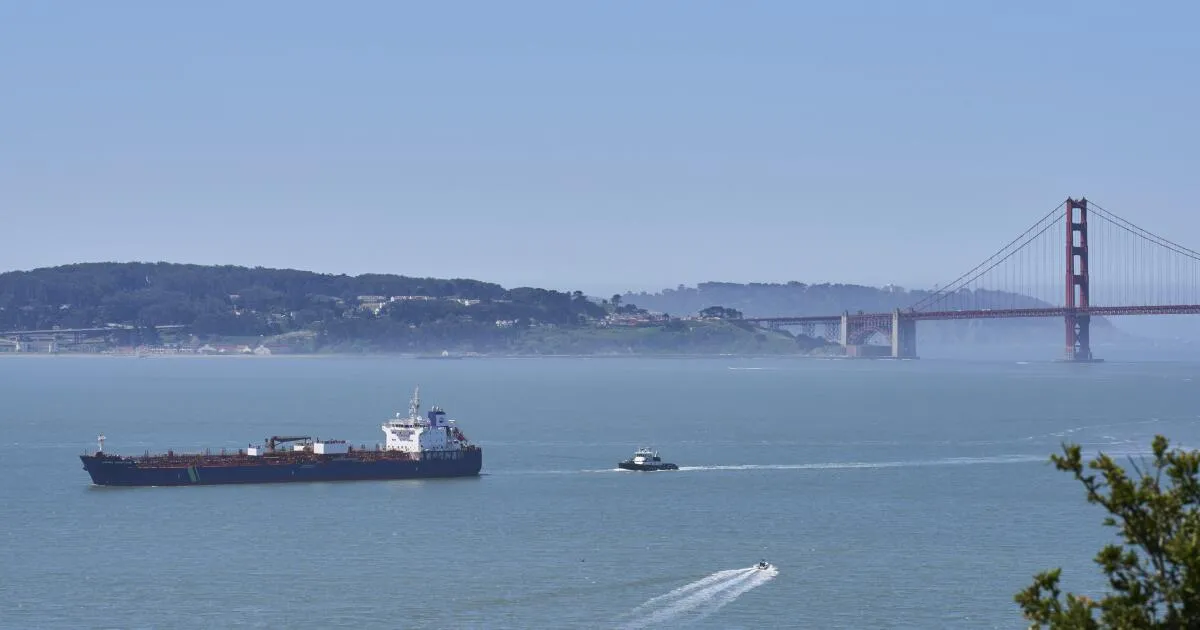
Ship strikes represent the most significant threat to the survival of gray whales, far exceeding natural mortality factors, disease, or predation. In the San Francisco Bay area, this issue has become particularly acute. Last year, a staggering 21 gray whales were found deceased, with 40% of these fatalities directly attributed to collisions with vessels. The current year has already seen seven whale deaths during the peak whale season, underscoring the escalating danger. Scientists attribute this increased vulnerability to climate change, which is disrupting Arctic food chains and compelling more gray whales to venture into San Francisco Bay in search of sustenance, thereby increasing their exposure to maritime traffic.
In response to this critical conservation challenge, a sophisticated new system has been deployed, integrating advanced thermal imaging technology with artificial intelligence. This innovative approach aims to proactively track whale movements and provide timely alerts to nearby ships, enabling them to alter their courses and avert potential collisions. The initiative is a collaborative effort involving researchers, maritime authorities, and technology developers, all united by the common goal of safeguarding these magnificent marine mammals.
AI-Powered Whale Detection System
The newly implemented system leverages high-resolution Flir thermal cameras to detect the distinct heat signatures emitted by whales. This visual data is then processed by AI-powered detection technology, developed by WhaleSpotter, which can identify whales from as far as four nautical miles. This capability allows for early detection and intervention, providing crucial time for mariners to react. The real-time location data of identified whales is disseminated via the Whale Safe website, serving as a vital communication channel for bay mariners and the U.S. Coast Guard.
Douglas McCauley, director of the Benioff Ocean Science Laboratory at UC Santa Barbara, expressed optimism about the system's potential. "Every day is a nail-biter," he stated, referring to the precarious situation of whales in the bay. "But what gives me hope is seeing how all the right partners in the Bay Area community have come together to do something. This new system will save whales’ lives. We are all proud of this." The aspiration is to extend this monitoring network throughout the broader Bay Area, effectively covering more 'blind spots' and providing continuous, real-time tracking akin to monitoring bus arrivals.
Population Decline and Conservation Efforts
The Eastern North Pacific gray whale population is currently at a concerning low, with an estimated 11,700 to 14,450 individuals worldwide. This represents a significant drop from the approximately 27,000 recorded in 2016 and marks the lowest population level observed since the late 1960s and 1970s, according to the National Oceanic and Atmospheric Administration.
Research published in April highlighted the severity of the issue within the bay, indicating that approximately 18% of gray whales present between 2018 and 2025 perished, with ship strikes accounting for at least 40% of these deaths. This stark statistic underscores the urgent need for effective mitigation strategies. In response, Representative Sam Liccardo (D-San Jose) has introduced legislation to establish a dedicated "whale desk" within the U.S. Coast Guard's San Francisco station. This initiative aims to centralize whale sighting reports from both commercial and recreational vessels, creating a unified alert system for mariners.
Technological Deployment and Future Expansion
The initial phase of the whale-detection network has seen the installation of a thermal monitoring camera on Angel Island. A second camera is slated for deployment on the MV Lyra, a vessel operated by SF Bay Ferry that services the Vallejo to downtown San Francisco route. The long-term vision for this project involves expanding the surveillance network to encompass the entirety of San Francisco Bay, including critical areas near the Golden Gate Bridge and Alcatraz.
Seamus Murphy, executive director of SF Bay Ferry, emphasized the program's dual focus on technological monitoring and mariner education. "Testing the thermal monitoring system designed and provided by the Benioff Ocean Science Laboratory is the next evolution of our work, and we’re thrilled to soon have one of the bay’s two monitoring cameras on our ferry," he commented. "We remain committed to bringing together fellow vessel operators to protect whales with the best available technology and protocols." This integrated approach aims to foster a culture of vigilance and responsibility among all maritime users, thereby enhancing the safety of gray whales navigating these busy waters.
Impact Analysis
The successful implementation and expansion of this AI-driven whale detection system hold significant implications for marine conservation, particularly for vulnerable whale populations. By providing real-time alerts and rerouting capabilities, the technology directly addresses a major cause of mortality, offering a tangible solution to prevent ship strikes. Furthermore, the collaborative model involving scientific institutions, government agencies, and private ferry operators sets a precedent for future conservation efforts in other ecologically sensitive maritime regions. The project's success could lead to the adoption of similar AI-powered monitoring systems globally, significantly improving the outlook for endangered marine species and promoting safer, more sustainable coexistence between human maritime activities and wildlife.