In the hushed world of scientific inquiry into the human microbiome, a paradigm is shifting. Beyond the well-established roles of probiotics and prebiotics, a new category — postbiotics — is emerging as a critical player in restoring microbial balance, particularly on the skin. These are not live organisms but rather the stable, non-living byproducts and cellular components generated during microbial fermentation. They represent a resilient approach to supporting the complex ecosystem that resides on our largest organ, offering a pathway to enhanced skin health and integrity.
Companies are beginning to harness the power of these microbial metabolites. By leveraging proprietary fermentation processes with native microorganisms, these entities aim to unlock potent bioactive compounds. The goal is not merely superficial treatment but a deeper replenishment of what modern lifestyles have diminished, addressing the intricate relationship between our internal microbial communities and our external presentation.
The Impact of Modern Life on the Skin Microbiome
Our skin hosts a diverse and dynamic community of bacteria, fungi, and viruses, collectively known as the skin microbiome. This complex ecosystem plays a vital role in maintaining the skin's barrier function, modulating the immune response, and defending against pathogenic invaders. However, the relentless pressures of modern living—including antibiotic use, harsh cleansing agents, environmental pollutants, and processed diets—can significantly disrupt this delicate balance. Such disruptions are often linked to various dermatological issues, including eczema, acne, psoriasis, and premature aging, as a compromised microbiome struggles to perform its essential functions.
The concept of postbiotics offers a promising solution by providing the beneficial byproducts of microbial activity without the potential challenges associated with live probiotics, such as viability issues or refrigeration requirements. These preparations are designed to deliver key metabolites like short-chain fatty acids, peptides, and organic acids directly to the skin. Scientific research increasingly supports the efficacy of postbiotic-containing skincare. A multi-omic study published in Frontiers in Medicine in 2023 demonstrated that incorporating prebiotics and postbiotics into skincare formulations could positively alter the skin's microbial and metabolic profile. Further reviews in PMC and studies in Cosmetics have consolidated the therapeutic potential of postbiotics in addressing various skin conditions by reinforcing the skin barrier, reducing inflammation, and promoting microbial rebalancing. Clinical observations, particularly in the management of acne, suggest that postbiotics can lead to significant reductions in lesions, often comparable to or complementary to other therapeutic approaches.
Harnessing Fermentation for Bioactive Compounds
Fermentation, an ancient process used for millennia to preserve and transform food, is now being applied in advanced skincare science. This technique allows for the conversion of raw materials into highly bioavailable and potent compounds. Companies are exploring partnerships to access unique botanical sources for fermentation, aiming to capture the synergistic chemistry of whole plants rather than isolating single active ingredients. This approach involves using the plant's own endogenous microbes under controlled conditions to produce complex extracts rich in beneficial metabolites.
The process often involves meticulous sourcing from biodiverse regions, emphasizing sustainable harvesting and collaboration with local communities. The resulting fermented extracts are rich in a spectrum of beneficial compounds, including essential fatty acids, terpenes, vitamins, phenols, and flavonoids. The philosophy behind this method is to respect the natural synergy within botanical ecosystems and translate that into skincare that supports the skin's intrinsic health. This method contrasts with traditional extraction techniques that often focus on singular compounds, potentially missing the broader benefits of the plant's natural matrix.
The Future of Skincare: Ecological Restoration and Microbial Intelligence
While more extensive human trials are continually needed, the growing body of evidence for postbiotics is compelling. These compounds appear to bolster the skin's natural defenses, mitigate inflammation, and support immune communication without the inherent complexities of live probiotics. This aligns with a holistic view of skin health that acknowledges the interconnectedness of the gut and skin microbiomes.
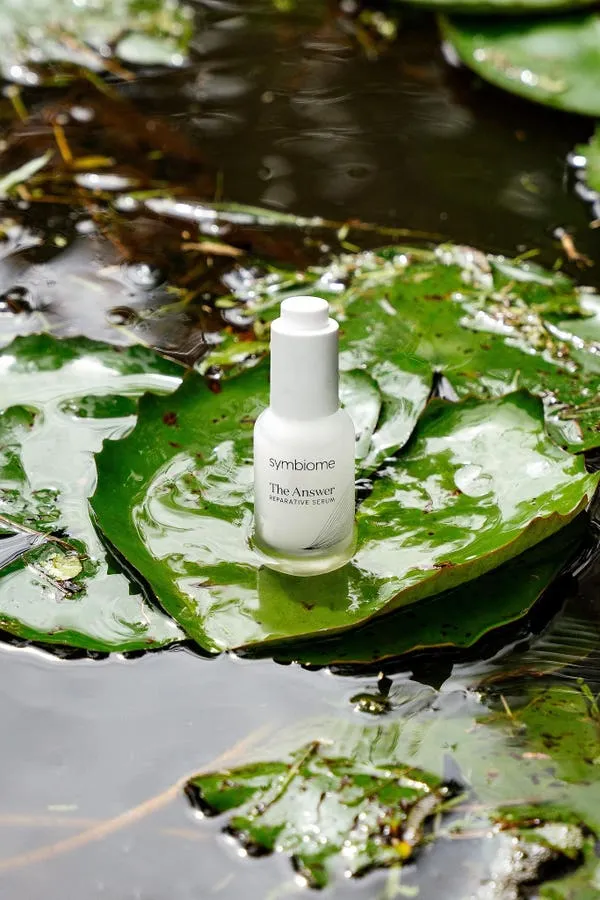
The vision for the future of skincare involves viewing it not just as a cosmetic application but as a form of ecological restoration for the skin. By returning the skin to a state of equilibrium that reflects its ancestral relationship with a diverse microbial environment, brands are aiming to foster resilience and health. This approach, exemplified by products utilizing fermented Amazonian botanicals, suggests a move towards more mindful and restorative skincare practices that honor the intricate, interdependent web of life, both within our bodies and in the natural world.
Impact Analysis
The burgeoning field of postbiotic skincare signifies a critical evolution in dermatological science and personal care. By moving beyond simplistic topical treatments to embrace the complex intelligence of microbial byproducts, brands like Symbiome are pioneering a new era of skin health. This shift reflects a deeper scientific understanding of the microbiome's role in overall well-being and positions postbiotics as a key ingredient category for future innovation. The emphasis on sustainable sourcing and ecological restoration also resonates with a growing consumer demand for ethical and environmentally conscious products. As research continues to validate the benefits of postbiotics, their integration into mainstream skincare is likely to expand, offering consumers more sophisticated and effective solutions for maintaining a healthy, balanced skin microbiome.