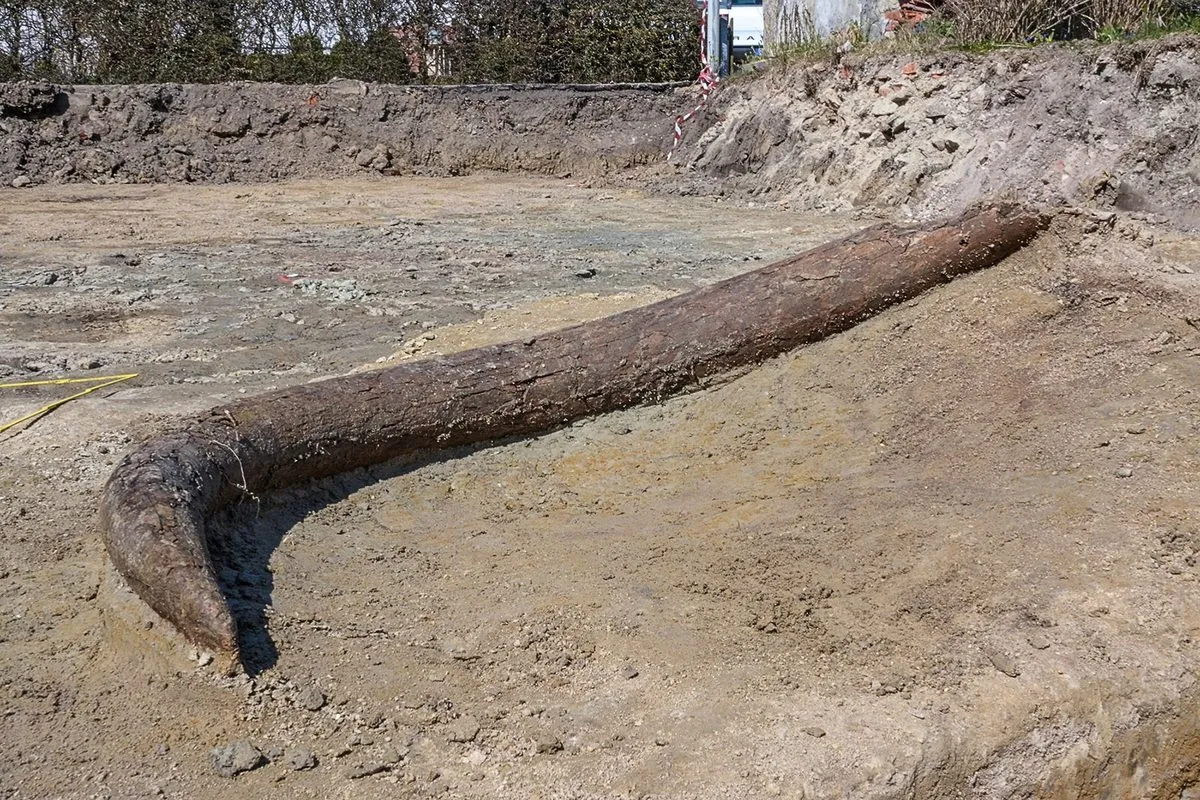
In a remarkable discovery that sheds new light on the sophisticated hunting practices of prehistoric humans, archaeologists in Taimering, Bavaria, Germany, have unearthed compelling evidence of mammoth butchery dating back approximately 27,000 to 25,000 years. The find, initially made during construction work in March 2020, centers around the partial skeleton of a woolly mammoth (Mammuthus primigenius), including a striking 2.5-meter-long tusk. While excavators were originally searching for medieval artifacts, the discovery of conspicuous marks on the mammoth's bones has since been analyzed, with a recent study published in the Journal of Archaeological Science strongly indicating they are human-made cut marks from butchering activities.
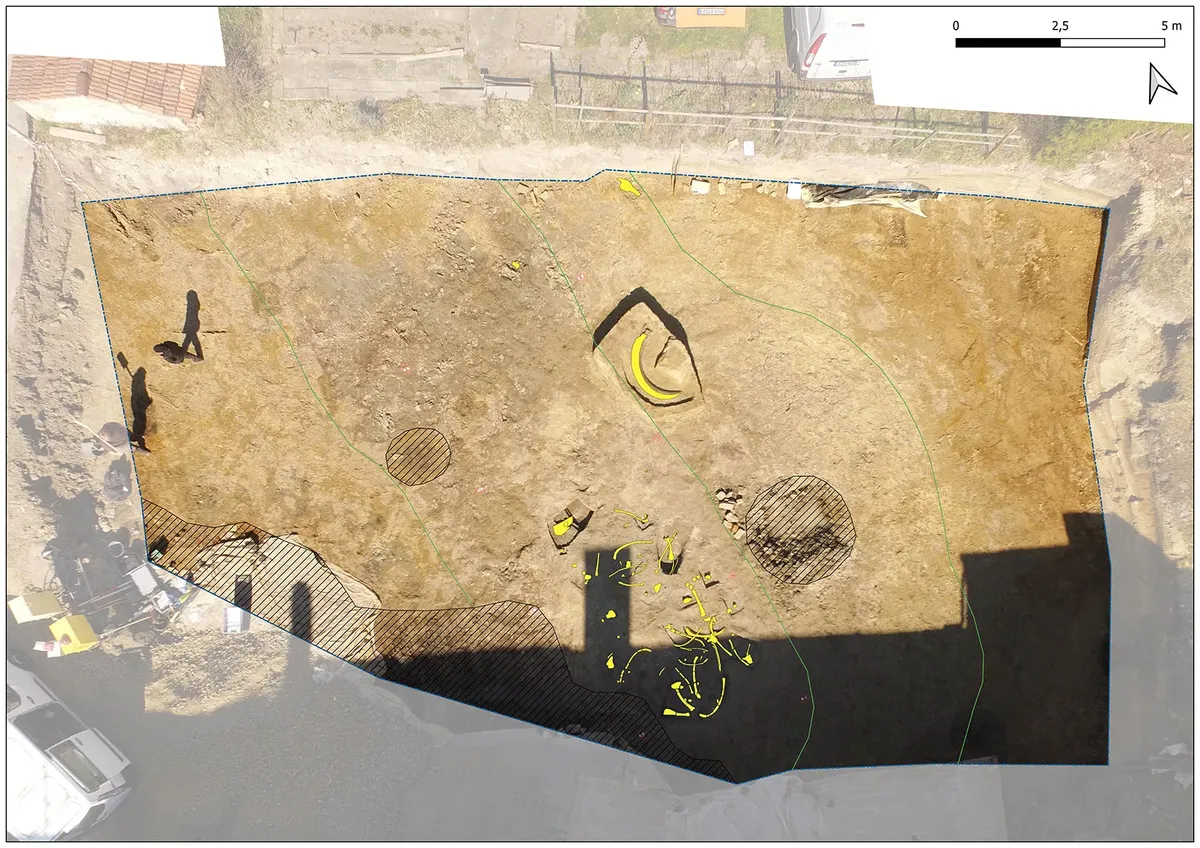
This Taimering mammoth represents a rare find in this region of Europe, particularly during the peak of the last Ice Age (Last Glacial Maximum). Mammoth skeletal remains are exceptionally scarce in Central Europe, with most significant discoveries originating further east in Eurasia. Furthermore, evidence of human activity from this specific period in this Bavarian locale is virtually nonexistent, suggesting that hunter-gatherer communities likely retreated south and east due to prevailing climate conditions. The extensive analysis of over 70 mammoth bones and fragments, predominantly from the ribcage and feet, has provided a unique window into the interaction between early humans and these colossal Ice Age mammals.
Analysis of Mammoth Remains
The Taimering mammoth was identified as a single, large individual that had not yet reached full maturity. Radiocarbon dating placed the remains between 27,000 and 25,000 years old, a period consistent with the Last Glacial Maximum. Palynological (pollen) analysis of the surrounding sediments, conducted by Philipp Stojakowits from the University of Augsburg, indicates that the area was covered by a herbaceous, tundra-like steppe vegetation during this epoch. Such an environment would have readily supported large Ice Age fauna like the woolly mammoth.
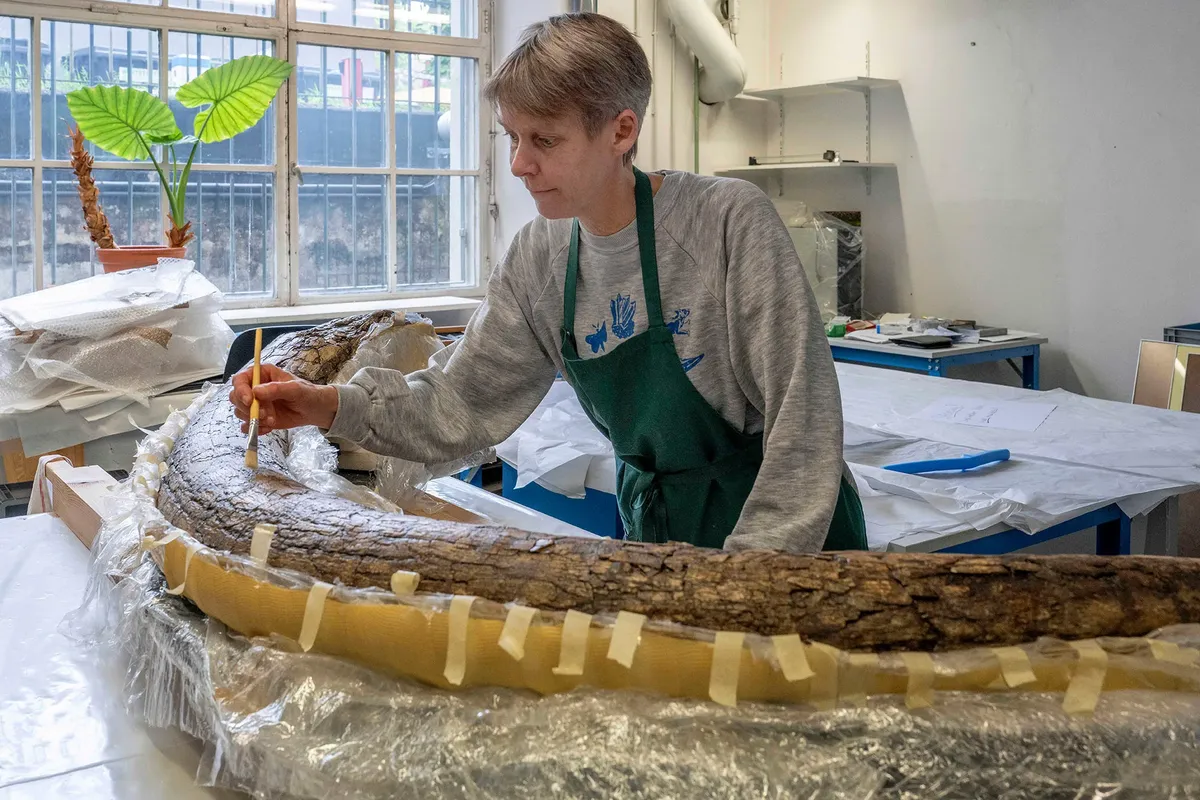
Researchers from the Bavarian State Office for the Preservation of Historical Monuments (BLfD) and collaborating institutions meticulously examined the mammoth's bones. They were able to conclusively rule out non-human causes for the marks, such as weathering, transport in water, or disarticulation by predators. The fine, parallel cut marks observed were predominantly found on the mammoth's ribs, with some exhibiting extensive scoring. The nature of these marks strongly suggests they were inflicted by stone tools during the process of dismembering the animal for consumption or resource utilization.
Evidence of Human Processing
The precision and pattern of the cut marks are significant indicators of human intervention. Some of the rib bones display such pronounced scoring that researchers hypothesize one broad rib may have even been used as a makeshift cutting board for processing meat or hide. While the presence of cut marks is definitive evidence of human butchery, the absence of associated lithic tools at the immediate excavation site presents an ongoing mystery. This could imply that tools were either transported away from the processing site or that the site itself was primarily focused on the dismemberment rather than tool manufacture.
A key aspect of the study involved determining whether humans hunted the mammoth or scavenged a carcass. While the current evidence strongly points to butchery, it remains challenging, based solely on the cut marks, to ascertain whether the animal was actively hunted and killed by humans or if they processed an already deceased individual. The fact that most of the long bones were missing from the skeleton, while ribs and foot bones were more prevalent, might suggest that hunters selectively removed valuable parts, such as the meat-rich ribs and bones useful for tools or fuel, leaving less desirable sections behind.
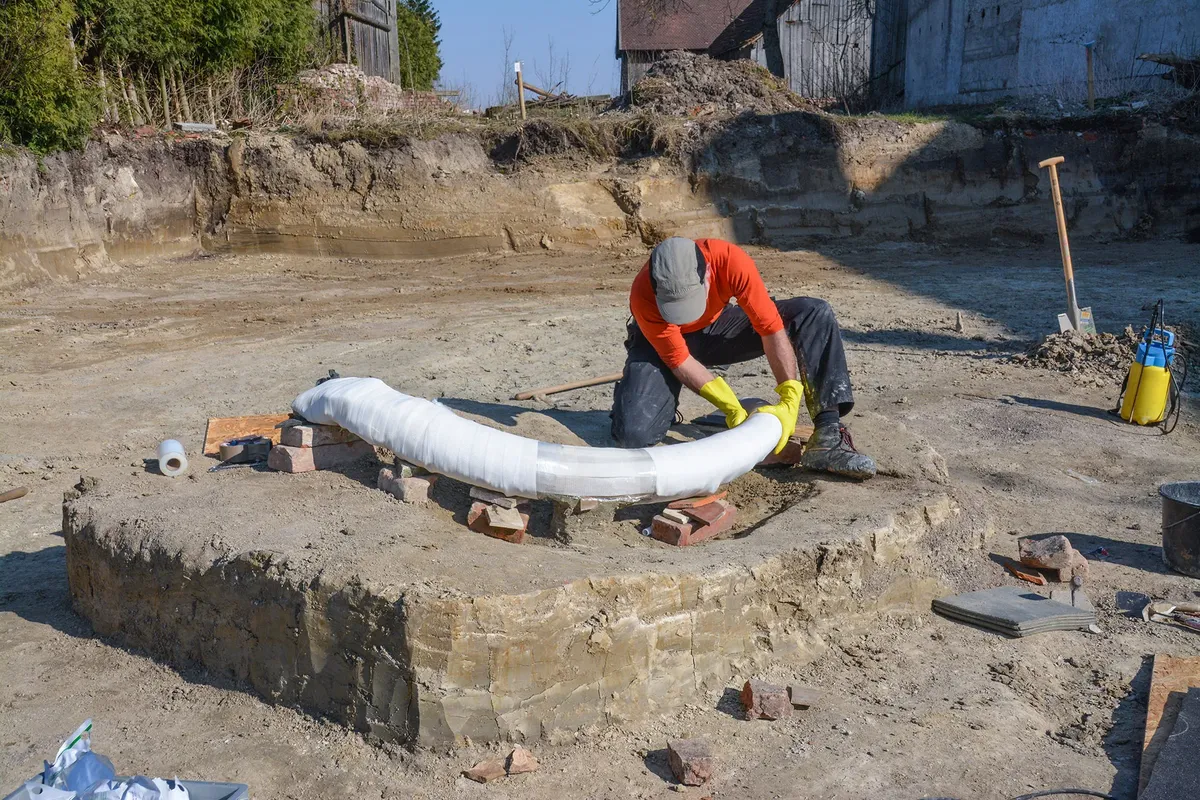
The context of the find is also crucial. The mammoth's remains were discovered embedded in sediments likely deposited by a slow-flowing tributary of the prehistoric Danube River or within a pond environment. This geological setting provides a plausible scenario for the preservation of the remains over millennia. The successful identification of cut marks on the ribs, coupled with the dating and environmental context, solidifies the significance of the Taimering discovery in understanding Paleolithic human behavior and resource acquisition strategies.
Paleolithic Hunter-Gatherer Capabilities
The Taimering find contributes valuable data to the broader understanding of Paleolithic human capabilities and their adaptation to challenging Ice Age environments. The ability to process a mammoth, a creature significantly larger and more formidable than modern elephants, would have required considerable skill, coordination, and likely group effort. It underscores the ingenuity of hunter-gatherer societies in exploiting their environment to its fullest potential, obtaining vital resources such as meat, fat, hides, bone, and ivory.
While stone tools were not directly found alongside the mammoth remains, their likely use is inferred from the cut marks. This highlights the mobility and resourcefulness of these early human groups. They may have carried their essential tools with them, using them efficiently for tasks like butchery and then transporting them to their next location. The meticulous examination of bone surfaces, employing techniques that differentiate human cuts from natural marks, demonstrates the advancements in paleoarchaeological research methods, allowing for more precise interpretations of ancient human activities.

Impact Analysis
The implications of the Taimering mammoth discovery extend beyond a singular find. It reinforces the presence and advanced capabilities of hunter-gatherer populations in Central Europe during the Last Glacial Maximum, challenging previous assumptions about limited human presence or rudimentary subsistence strategies in the region during this period. This evidence suggests a more complex socio-economic landscape than previously thought, where humans were actively engaging with and modifying their environment through sophisticated hunting and processing techniques. The study also provides a valuable case study for future archaeological investigations, emphasizing the importance of detailed micro-analysis of bone surfaces and integrated paleoenvironmental reconstructions to uncover the full story of human-animal interactions in prehistoric times.