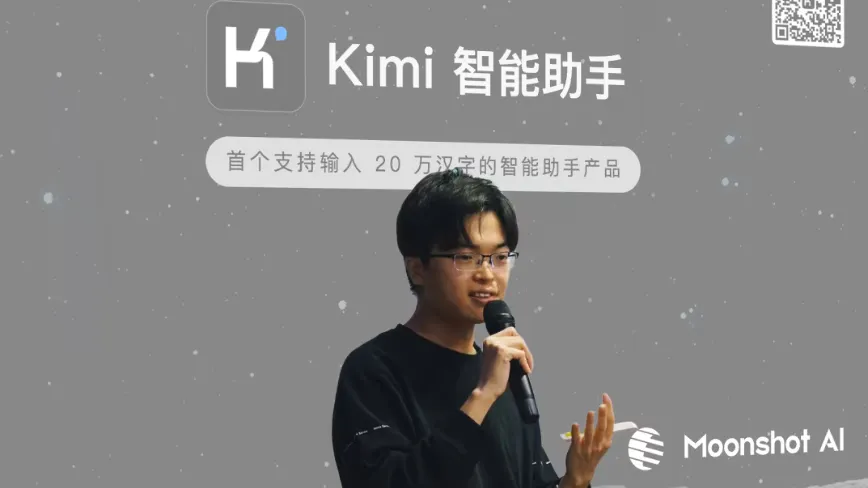
Moonshot AI, the prominent Beijing-based developer behind the Kimi chatbot, has formally informed its shareholders of a significant strategic shift: the company intends to dismantle its variable-interest-entity (VIE) structure. This decisive move is designed to facilitate a planned Initial Public Offering (IPO) on the Hong Kong Stock Exchange. The decision comes amid clear indications from Beijing that an exemption for its existing VIE setup was unlikely to be granted. This potential IPO is poised to be one of the largest listings by a Chinese artificial intelligence firm in recent history, reflecting the sector's burgeoning public market accessibility.
The core of this development lies in Moonshot's structural adaptation. The company's offshore holding entity is registered in the Cayman Islands, with its critical operational assets located in mainland China managed through a VIE arrangement. According to the China Securities Regulatory Commission’s (CSRC) revised IPO regulations, companies employing offshore VIE structures are now required to undergo a rigorous procedural review to justify their continued use. The CSRC's directive indicates a preference for entities with a more direct mainland anchor. Moonshot’s initial pursuit of a waiver for its VIE structure appears to have been internally assessed as having a low probability of success, prompting the pivot towards full unwinding.
Moonshot AI's Financial Standing and Market Context
Recent Funding and Valuation
The substantial scale of Moonshot AI's prospective IPO is underpinned by its recent financial performance and robust valuation. The company recently concluded a significant funding round, securing $2 billion and achieving a post-money valuation of $20 billion. This latest infusion brings its total funding raised since November 2025 to an estimated $3.9 billion. As of April, Moonshot AI has reported an annualized recurring revenue (ARR) of approximately $200 million. Notable investors participating in these recent rounds include Alibaba, with unconfirmed reports suggesting the involvement of Tencent and Hillhouse Capital. Bloomberg initially reported on the company's consideration of a Hong Kong IPO in March, at a time when its valuation was lower and the regulatory landscape surrounding VIE structures seemed more amenable to exemptions.
Competitive Landscape in Chinese AI
Moonshot AI operates within a highly competitive and rapidly evolving Chinese AI market. Its Kimi chatbot has consistently demonstrated strong user engagement, positioning it among the leading Chinese AI products, alongside offerings from competitors such as DeepSeek, known for its open-weight models, and ByteDance, with its Doubao platform. The emergence of publicly listed AI entities from China within the 2026-2027 timeframe will establish crucial public benchmarks. These valuations will inevitably be compared against global leaders like OpenAI and Anthropic, particularly as these international firms also contemplate their own public market debuts.
Geopolitical Implications and Regulatory Environment
Navigating International Tensions
The timing of Moonshot AI's potential listing is significant, occurring against a backdrop of heightened geopolitical considerations surrounding artificial intelligence. This period coincides with discussions around the AI guardrails established following the Trump-Xi summit and ongoing scrutiny of technology exports, such as the licensing arrangements for advanced AI chips like NVIDIA's H200. The Chinese government's tightening of regulations concerning offshore corporate structures, as enforced by the CSRC, adds another layer of complexity. A Hong Kong listing, as opposed to a US listing, represents a deliberate choice to anchor the company's capital base within a jurisdiction directly subject to Chinese regulatory oversight, underscoring the operational impact of these geopolitical dynamics.
Structural Restructuring for Listing
The practical execution of unwinding the VIE structure involves complex financial and legal restructuring. Moonshot's offshore entities and its mainland operating company will be merged or reconfigured under a single Hong Kong-listed vehicle. This process will necessitate obtaining regulatory approvals from various Chinese supervisory bodies. Based on typical timelines for Chinese AI IPOs, this intricate restructure and subsequent approval process are expected to take several quarters, potentially pushing the actual listing date into late 2026 or early 2027. Key details still pending include the definitive price range for the offering, the balance between new and existing equity, and whether the restructuring will mandate the conversion of US dollar-denominated funding rounds into renminbi equivalents—a factor that could significantly impact the rights of existing Western investors.
Impact Analysis
Moonshot AI's decision to unwind its VIE structure is a strong signal of the increasing regulatory influence and geopolitical considerations impacting Chinese technology firms seeking public listings. The move prioritizes compliance and regulatory alignment with Beijing's directives over the potentially more complex path of seeking exemptions. This precedent could influence other Chinese AI companies contemplating international IPOs, potentially steering more towards Hong Kong or domestic listings to ensure smoother regulatory pathways. The successful completion of Moonshot's IPO, contingent on navigating these structural changes, will provide valuable insights into the market appetite for Chinese AI firms and set important valuation benchmarks in a dynamic global landscape.