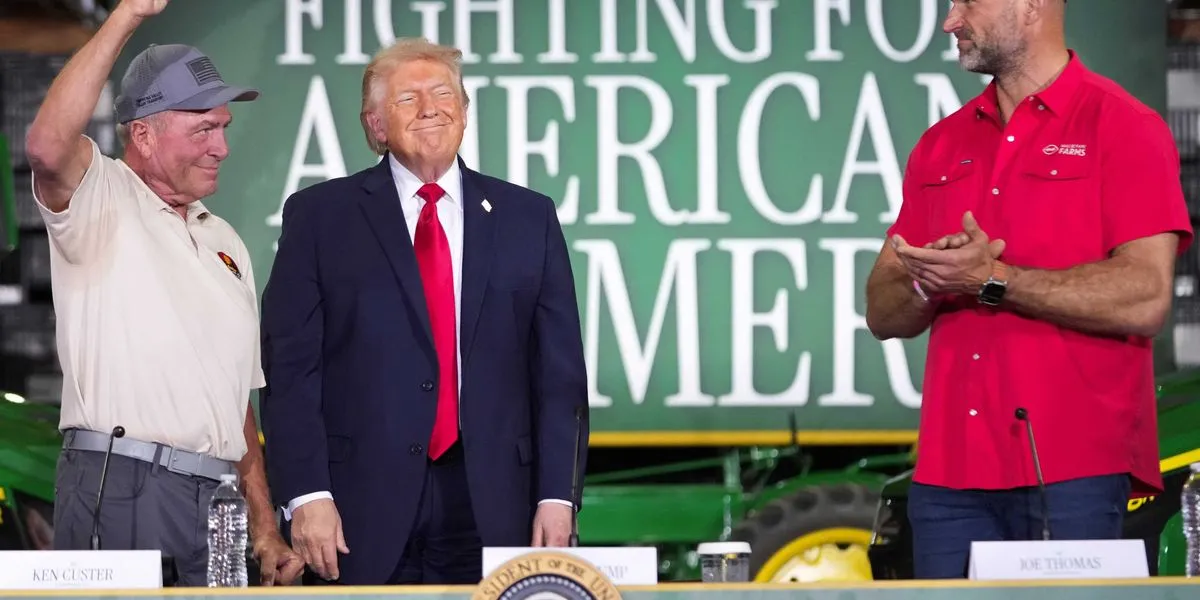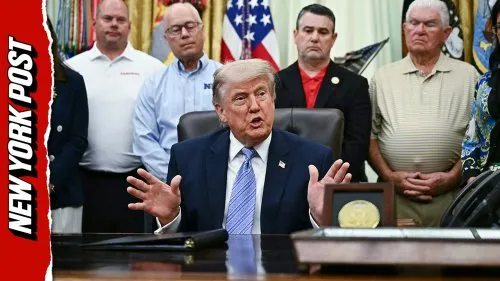
Former President Donald Trump announced a delay in the signing of an executive order focused on artificial intelligence, citing dissatisfaction with certain provisions he believed could disadvantage American companies. The decision underscores the complex considerations surrounding the regulation of advanced technologies and their potential impact on national and international economic landscapes. This postponement signals a deliberate approach to policy development, prioritizing perceived competitive advantages for domestic industries.
The rationale behind the delay points to a desire to ensure that any governmental directive on AI development and deployment would not inadvertently stifle innovation or cede ground to international competitors. The administration's focus appears to be on crafting a framework that balances the rapid advancement of AI with the need to maintain a strong economic standing for U.S. businesses in a globally competitive market. Discussions likely involved concerns about how specific regulations might affect research, investment, and the operational capacity of American AI firms when compared to their counterparts abroad.
AI Executive Order Considerations
The intricacies of an executive order on artificial intelligence can encompass a wide range of directives, from guiding research and development priorities to establishing ethical guidelines and data governance standards. For a technology as transformative as AI, the potential ramifications of such an order are significant. Trump's stated reason for postponement suggests that the draft order may have contained elements that could impose burdens on American companies, potentially making it harder for them to compete on a global scale, particularly with nations perceived as rapidly advancing in AI capabilities.
Specifically, concerns might have revolved around intellectual property protections, access to data, or research collaboration policies. The objective of an AI executive order is often to foster innovation while mitigating risks, such as job displacement or the potential for misuse. The pause indicates that the administration felt the proposed measures did not adequately strike this balance, possibly leaning too heavily towards restrictions that could hamper growth or provide an advantage to foreign entities engaging in AI development.
Economic and Competitive Implications
The competitive landscape in artificial intelligence is a critical arena for global economic power. Nations are investing heavily in AI research and infrastructure, recognizing its potential to drive economic growth, enhance national security, and improve various sectors of society. An executive order on AI, therefore, carries substantial weight in shaping a nation's trajectory in this field.
Trump's decision to postpone the signing suggests a strategic calculation aimed at preventing any perceived weakness in the American AI sector. The underlying concern would be that if U.S. companies are overly regulated or restricted compared to international competitors, particularly those in countries like China, the United States could fall behind in critical AI advancements. This perspective highlights a common theme in technology policy: the tension between fostering rapid development through minimal intervention and ensuring responsible innovation through regulatory oversight.
Global AI Development Landscape
The global race for AI dominance is characterized by significant investments and strategic initiatives from various countries. China, in particular, has been identified as a major player, with substantial government backing and a rapidly growing tech sector focused on AI research and application. The United States, alongside other nations, is striving to maintain a leading position in this technological revolution.
An executive order in the U.S. concerning AI would not only influence domestic development but also signal the nation's stance and priorities to the international community. By delaying the signing, Trump indicated a desire for an order that he felt would unequivocally support American technological leadership, potentially involving measures to encourage domestic research, protect intellectual property, and ensure that U.S. companies are not placed at a competitive disadvantage due to regulatory frameworks.
[IMAGE_X]