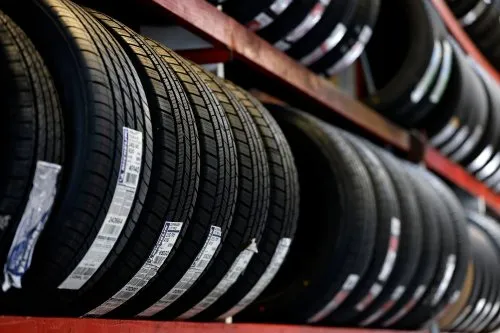
A new proposal in California, dubbed the "Replacement Tire Efficiency Program," could significantly alter the aftermarket tire market. The California Energy Commission (CEC) is considering implementing standards that would mandate replacement tires to meet or exceed the efficiency levels of original equipment manufacturer (OEM) tires sold on new vehicles. While the stated intent is to promote fuel efficiency and reduce emissions, the broad implications for consumers and the aftermarket industry are substantial.
The core of the proposal is to establish minimum rolling resistance coefficients for replacement tires. This metric is a key indicator of a tire's energy efficiency, directly impacting fuel consumption and, consequently, greenhouse gas emissions. By aligning aftermarket standards with those of new vehicles, California aims to create a more uniform approach to tire efficiency across the state. However, critics argue that this approach may overlook the diverse needs and performance characteristics required by the aftermarket, potentially limiting consumer choice and increasing costs.
Understanding Tire Efficiency and Proposed Regulations
The Mechanics of Tire Efficiency
Tire efficiency, primarily measured by rolling resistance, is a critical factor in vehicle performance and environmental impact. When a tire rolls, it deforms and flexes, creating internal friction. This process dissipates energy, contributing to rolling resistance. Tires with lower rolling resistance require less energy to maintain motion, leading to improved fuel economy and reduced CO2 emissions. The development of low-rolling-resistance tires involves advanced rubber compounds, optimized tread patterns, and sophisticated internal construction techniques.
The proposed California regulation would set a benchmark based on the average efficiency of tires originally equipped on new vehicles sold in the state. This means that any tire sold as a replacement in California would need to demonstrate a rolling resistance coefficient that is equal to or better than this calculated average. The CEC believes this will incentivize manufacturers to produce more efficient aftermarket tires and encourage consumers to choose them, thereby contributing to the state's ambitious climate goals.
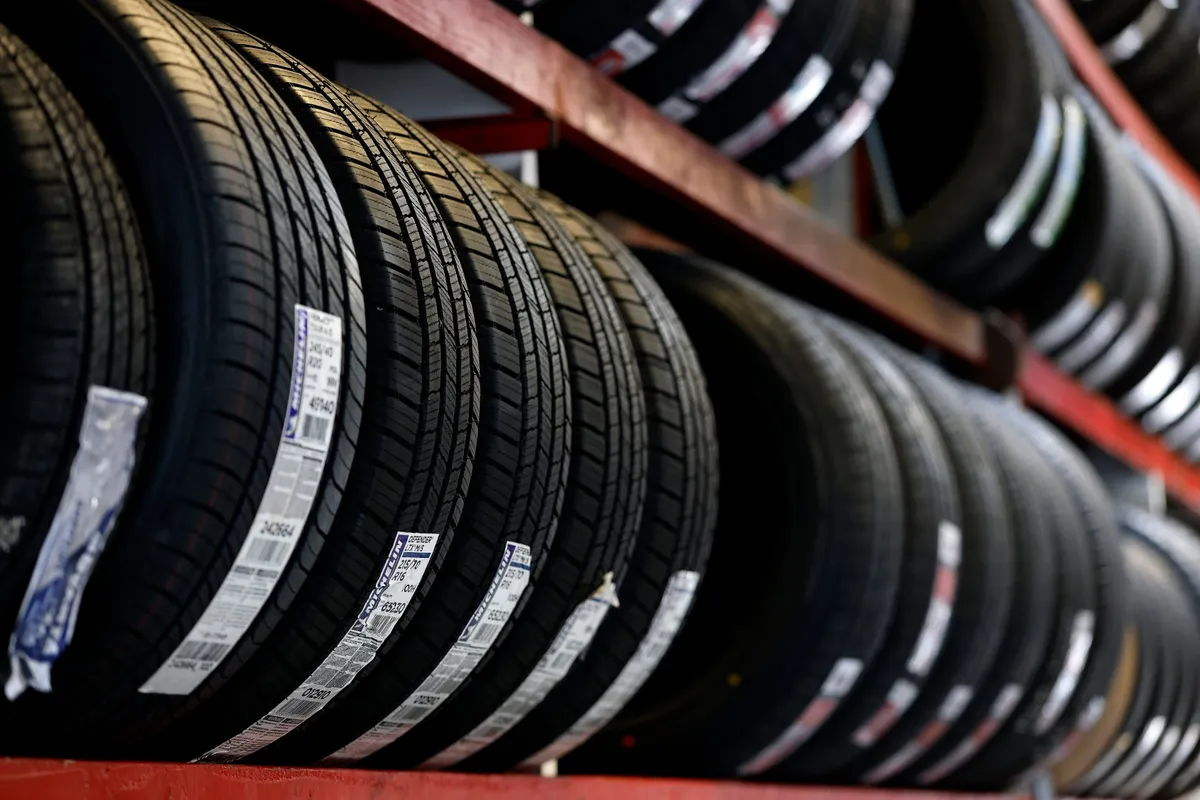
However, the automotive aftermarket is vastly different from the original equipment sector. Replacement tires cater to a wide range of vehicle types, driving conditions, and consumer preferences. Factors such as grip, durability, noise levels, and specialized performance (e.g., off-road, winter, or high-performance driving) are often prioritized over marginal gains in fuel efficiency for many consumers. Imposing a one-size-fits-all efficiency standard could inadvertently penalize tires designed for specific applications that may inherently have higher rolling resistance due to their construction and compound.
Potential Impact on the Aftermarket Industry
The aftermarket tire industry is a significant economic sector, providing a vast array of choices for vehicle owners seeking to replace worn-out tires. This market includes everything from budget-friendly options to high-performance and specialty tires. The proposed regulations could force manufacturers to redesign or reclassify many of their products to comply with California's standards, potentially leading to increased research and development costs that may be passed on to consumers.
Furthermore, there is a concern that such regulations could stifle innovation in niche tire categories. Manufacturers might focus solely on meeting the minimum efficiency requirements, potentially at the expense of other crucial performance attributes. For specialized vehicles or drivers with unique needs, the available compliant tire options could become significantly limited. This could also create a compliance hurdle for smaller manufacturers or importers, potentially consolidating the market and reducing competition.

Consumer Choice and Accessibility
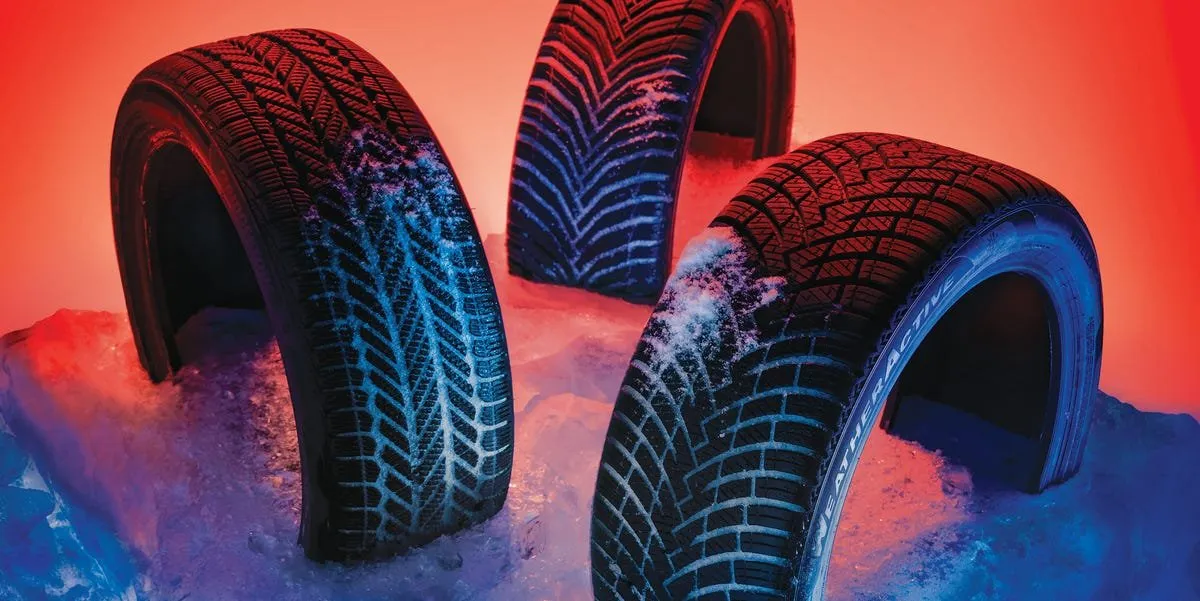
For consumers, the primary concern is the potential reduction in choice and potential increases in tire prices. While fuel efficiency is a desirable trait, it is not the sole criterion for tire selection. Drivers in regions with specific weather conditions, such as heavy snow or frequent rain, rely on tires designed for optimal traction and safety, which may not always align with the lowest rolling resistance figures. Similarly, enthusiasts seeking maximum performance or off-road capabilities often require tires that are not optimized for fuel economy.
The proposed program could make it more difficult for consumers to find tires that best suit their specific vehicle, driving habits, and environmental conditions in California. If compliance becomes too costly or complex for certain tire types, they may be withdrawn from the California market altogether, leaving consumers with fewer options. This could disproportionately affect owners of older vehicles or specialized equipment where specific tire characteristics are paramount.
The California Energy Commission's initiative underscores the growing trend of regulatory bodies focusing on the environmental impact of automotive components. While the goal of improving fuel efficiency is commendable, the practical implementation requires careful consideration of the complexities and diversity within the aftermarket automotive sector. Balancing environmental objectives with consumer choice, product performance, and industry viability will be crucial as this proposal moves forward.
Potential Challenges and Considerations
Implementing and enforcing such a program presents several challenges. Firstly, establishing a fair and accurate baseline for OEM tire efficiency requires robust data and continuous updates as new vehicles and tire technologies emerge. Secondly, verifying compliance for a wide range of aftermarket tires will necessitate a comprehensive testing and certification process, adding administrative overhead. The CEC will need to clearly define how these standards will be measured and monitored to ensure a level playing field for all manufacturers.
Moreover, the proposal raises questions about its broader impact beyond California. If other states adopt similar regulations, it could lead to a fragmented market with different tire standards across the country. This could complicate manufacturing processes and distribution for tire companies. The CEC's initiative, while aimed at environmental benefits, must navigate these complexities to ensure it serves the best interests of both the environment and the consumers and businesses within the automotive ecosystem.
The effectiveness of such a program also depends on consumer awareness and education. Simply mandating more efficient tires may not be enough if consumers do not understand the benefits or are unwilling to compromise on other performance aspects. Public outreach and clear communication about the rationale and implications of the proposed standards will be vital for their successful adoption and to foster informed purchasing decisions.
Expert Analysis
From an automotive diagnostic perspective, tire performance is a fundamental aspect of vehicle safety and efficiency. While I always advocate for tires that meet or exceed OEM specifications for optimal handling and braking, the proposed blanket efficiency standard raises concerns. Tires are not a one-size-fits-all component. The compound, tread design, and construction are all engineered to balance multiple performance characteristics – grip, wear, ride comfort, noise, and, yes, rolling resistance. A regulation that strictly prioritizes rolling resistance might inadvertently compromise safety features like wet grip or braking performance, which are critical for everyday driving and emergency situations. The aftermarket thrives on catering to specific needs, and a rigid efficiency mandate could stifle this diversity. It's essential that any new regulation considers the full spectrum of tire performance and its impact on real-world driving conditions and vehicle applications, rather than focusing on a single metric.
Future Outlook
The proposed "Replacement Tire Efficiency Program" in California represents a significant regulatory shift for the aftermarket tire industry. Its success will hinge on the CEC's ability to balance environmental goals with the practical realities of tire manufacturing and consumer demand. The coming months will be crucial as stakeholders, including manufacturers, industry groups, and consumer advocates, weigh in on the proposal. Further analysis and public comment periods will shape the final regulations, determining whether this program will lead to a more sustainable tire market or create unintended barriers for consumers and businesses.