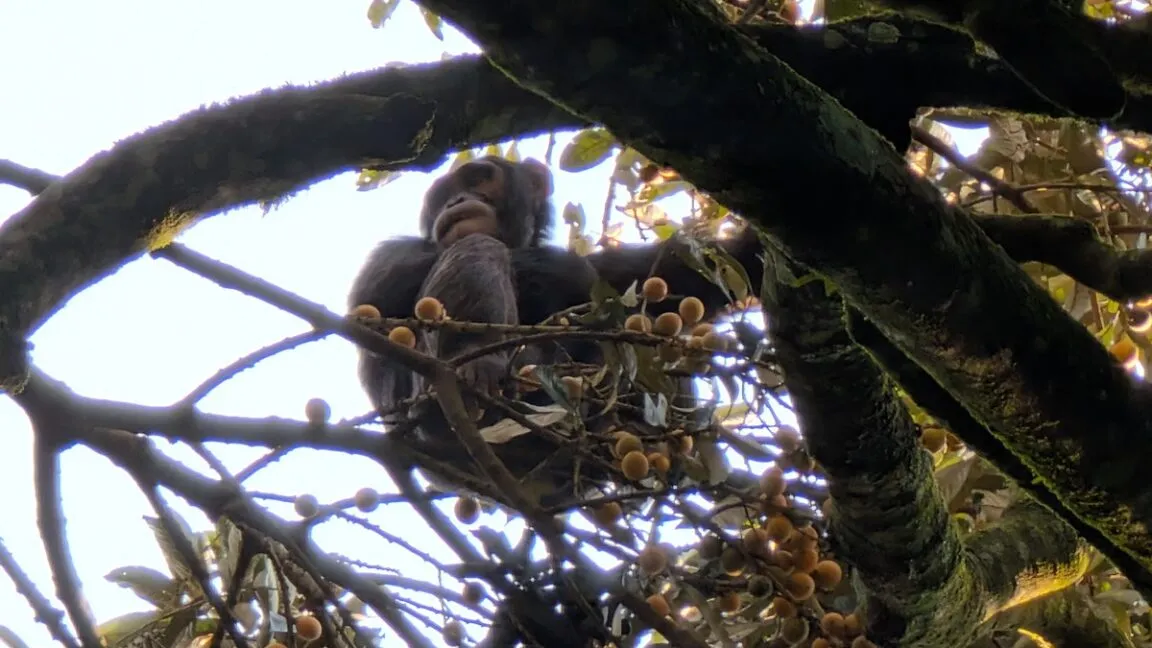
New research published in the journal Biology Letters indicates that chimpanzee urine contains elevated levels of alcohol byproducts. This finding strongly suggests that these primates regularly consume fermented fruits, providing the latest scientific evidence to support a long-standing hypothesis about the evolutionary roots of human alcohol consumption. The study adds significant weight to the "drunken monkey hypothesis," which posits that our species' affinity for alcohol dates back millions of years.
The "drunken monkey hypothesis," first articulated by biologist Robert Dudley in his 2014 book The Drunken Monkey: Why We Drink and Abuse Alcohol, proposes that the human attraction to alcohol originated with the early great apes. This theory suggests that the ability to detect alcohol in food sources from a distance may have provided an evolutionary advantage. While initially met with skepticism, as many scientists doubted whether primates actually consumed fermented fruits or nectar, a growing body of observational data has emerged over the past decade supporting this notion.
Evidence of Primate Alcohol Consumption
Recent findings have bolstered the "drunken monkey hypothesis." Earlier research captured wild chimpanzees on video sharing fermented African breadfruit, which was found to contain measurable levels of alcohol. This marked the first documented instance of non-human great apes sharing alcoholic foods in their natural habitat. Subsequent analysis of fallen fruit in these areas revealed that approximately 90 percent contained ethanol, with the ripest fruits exhibiting the highest concentrations, comparable to about 0.61 percent alcohol by volume (ABV).
Further contributing to this line of inquiry, a study co-authored by Dudley reported measurements of ethanol content in fruits commonly consumed by chimpanzees in the Ivory Coast and Uganda. The findings indicated that these chimpanzees ingest approximately 14 grams of alcohol daily, a quantity equivalent to a standard alcoholic drink in the United States. When adjusted for body mass, this consumption level equates to nearly two drinks per day for the chimps, underscoring the significant role of fermented foods in their diet.
Urine Analysis: Quantifying Alcohol Intake
To further validate the dietary findings and refine estimates of daily ethanol intake, researchers embarked on the challenging task of collecting and analyzing chimpanzee urine samples. This methodology, previously employed in a 2022 study on spider monkeys, aims to detect alcohol metabolites, providing a more direct physiological measure of consumption. The effort, spearheaded by UC Berkeley graduate student Aleksey Maro, involved spending a summer in Ngogo, Uganda, collecting samples even from puddles on the forest floor and utilizing specially designed collection devices.
Maro's fieldwork required innovative techniques, including sleeping in trees with protective measures against the elements, to gather the necessary urine samples. He was assisted by Sharifah Namaganda, a graduate student from the University of Michigan, who provided expertise on sample collection methods. The successful collection of these samples is crucial for confirming the extent to which chimpanzees metabolize alcohol derived from their diet and for corroborating the frequency and quantity of fermented fruit consumption.
Impact Analysis
The confirmation that chimpanzees regularly consume fermented fruits and process alcohol presents significant implications for our understanding of primate evolution and behavior. It provides robust evidence for the "drunken monkey hypothesis," suggesting that the human capacity and propensity for alcohol consumption may have deep evolutionary origins tied to the availability of fermented food sources. This research could reshape our perspectives on the natural history of alcohol use, moving beyond cultural and social explanations to explore fundamental biological drivers.
Furthermore, understanding the metabolic pathways and behavioral adaptations of chimpanzees in processing alcohol could offer insights into human physiology and the genetic underpinnings of alcohol tolerance and addiction. It highlights the complex interplay between diet, environment, and evolutionary pressures that have shaped the behaviors of our closest living relatives and, by extension, ourselves. The findings contribute to a broader scientific discourse on the natural world's influence on the development of complex behaviors and preferences.