Elon Musk, the prominent figure behind Tesla and SpaceX, has once again articulated ambitious goals for artificial general intelligence (AGI), declaring that Tesla is positioned to be a pioneer in its development, particularly in a "humanoid/atom-shaping form." This latest pronouncement from the Tesla CEO follows a series of significant predictions regarding AI advancements. However, a critical review of Musk's track record reveals a consistent pattern of bold timelines for AI breakthroughs that have not materialized as predicted. This recurring theme has led to increased scrutiny, especially as Tesla faces a challenging period marked by declining sales and reduced earnings for the second consecutive year, prompting questions about whether these AI claims are an attempt to leverage the current AI hype cycle.

Musk's pronouncements on AI timelines often follow a predictable trajectory: an initial, highly ambitious prediction, followed by a missed deadline, and subsequent adjustments to the goalposts. For instance, in 2023, Musk suggested that Tesla vehicles possessed a form of "mind" and that the company had grasped certain aspects of AGI. By 2024, he projected the arrival of AGI by 2025. As this deadline passed without the anticipated AGI realization, the timeline was advanced to 2026. Earlier this year, he declared the dawn of the "Singularity" with 2026 as the pivotal year. His current assertion positions Tesla as a frontrunner in developing AGI, specifically through its Optimus robot initiative, envisioned in a "humanoid/atom-shaping" capacity.
The History of Overstated AI and Autonomy Promises
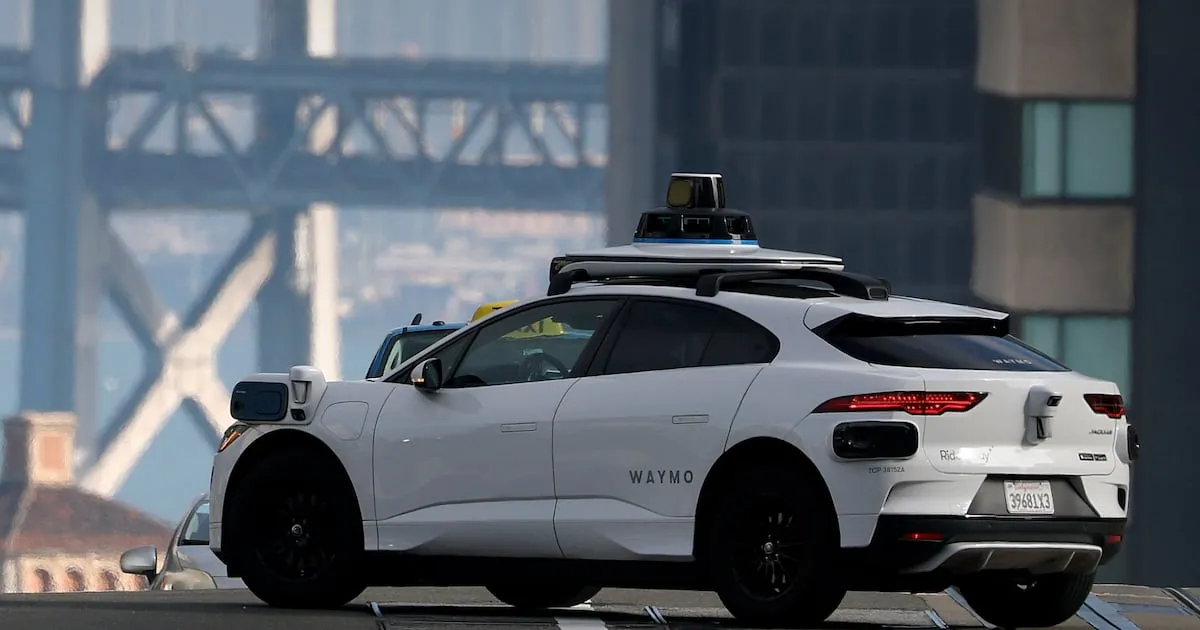
This approach mirrors the strategy employed with Tesla's autonomous driving capabilities. In 2016, Musk stated that all Tesla vehicles were equipped with the necessary hardware for full self-driving. From 2019 through 2025, he repeatedly assured that the capability would be delivered by year's end. These predictions, however, did not materialize. Analysis of Musk's key Tesla predictions for 2025 highlighted several unfulfilled promises. For example, the "Robotaxi" fleet in Austin, Texas, remains limited, with many vehicles not operational consistently and still requiring human safety monitors. Even advancements in hardware have been subject to similar prediction discrepancies. In late 2025, Musk promoted Tesla's eighth-generation AI chip while self-driving promises associated with the third-generation chip remained unfulfilled. Furthermore, the AI5 chip design was described as "almost done" in January 2026, six months after an earlier claim that it was already "finished."
These consistent deviations between projected timelines and actual delivery raise concerns among investors and industry analysts. The expectation of advanced AI and full autonomy has been a significant driver of Tesla's premium valuation, and repeated misses erode confidence in the company's ability to execute on these cutting-edge technological fronts. The gap between Musk's visionary statements and the tangible progress often leaves stakeholders questioning the underlying reality of Tesla's technological roadmap.
Tesla's Financial Performance Contradicts AI Hype
While Musk's narrative centers on AGI and the Singularity, Tesla's core automotive business is facing significant headwinds. The company reported 1.63 million vehicle deliveries in 2025, a 9% decrease from 2024, marking the second consecutive year of declining deliveries. Revenue also saw a year-over-year drop of approximately 3%, totaling $94.8 billion—a historic first for the company. Earnings per share are estimated to have fallen by 33% compared to the previous year.
The first quarter of 2025 was particularly challenging, with Tesla missing already low expectations and experiencing a 71% profit decline. The second quarter saw a 23% drop in earnings. By the close of 2025, the accelerating decline in sales became evident. In contrast, BYD achieved 2.26 million EV deliveries in 2025, surpassing Tesla to become the world's leading electric vehicle manufacturer. Tesla's market share is diminishing in key regions like Europe, with significant sales plunges in Germany and France, and in China, where domestic competitors are steadily increasing their presence.
The xAI Complication and Investor Concerns
The narrative of Tesla as a premier AI developer is further complicated by Musk's involvement with xAI, his privately held artificial intelligence company. For years, Tesla investors were assured that the automaker would spearhead the development of real-world AI applications. However, resources and talent appear to have been redirected towards xAI, leading to accusations of a breach of fiduciary duty. Tesla investors have initiated lawsuits alleging that Musk utilized Tesla's assets and reputation to build xAI's infrastructure. Reports indicate that xAI has informed its own investors that it will develop the AI for Tesla's Optimus robot, potentially meaning that the AI technology underpinning Tesla's high valuation might not be internally developed by Tesla itself.

Adding to the conflict of interest concerns, it has been reported that Musk's xAI data center operations may inadvertently counteract Tesla's environmental initiatives. This intricate web of intertwined corporate interests and potential conflicts raises questions about transparency and the alignment of objectives between Tesla and Musk's other ventures. The reliance on external AI development for core Tesla initiatives like the Optimus robot could undermine the justification for Tesla's premium market valuation, which is heavily predicated on its identity as an AI and robotics powerhouse.
Analysis of Musk's Strategic Narrative
The persistent pattern of ambitious predictions followed by missed deadlines, particularly concerning AI and autonomous driving, suggests a strategic effort by Elon Musk to maintain investor focus on future potential rather than current performance. As Tesla's automotive sales falter and its financial results show a downturn, Musk's pronouncements on AGI and the Singularity serve as a distraction, aiming to preserve the narrative of Tesla as a revolutionary technology company rather than a conventional automaker facing market challenges. The lack of definitive scientific consensus on the timeline or even the feasibility of AGI in the near term contrasts sharply with Musk's confident declarations. These claims are often amplified by the financial media, attracted by the potential for clicks and temporary boosts to Tesla's stock price.
Shareholders might benefit more from Musk prioritizing strategies to reverse the company's sales decline and enhance vehicle competitiveness. The focus on speculative AI advancements, while captivating, may divert crucial attention and resources from the fundamental business operations necessary for sustained growth and profitability. The ongoing fluctuations in Tesla's stock price over the past three years, when accounting for volatility, underscore the market's uncertainty regarding the company's long-term trajectory, especially when its valuation relies so heavily on unsubstantiated future technological achievements.