Two American nationals, Red Jahnai Daysun, 24, and Neal Jabahri Duan, 27, were apprehended by Japanese authorities in Chiba prefecture on Monday, following an alleged intrusion into the enclosure of a young macaque named Punch at the Ichikawa City Zoo. The incident gained significant attention due to its connection to a cryptocurrency-related meme coin and the widespread viral nature of Punch the monkey's story earlier in the year.
Reports indicate that one of the individuals, dressed in a distinctive blue suit and a yellow emoji-themed head covering, entered the primate's habitat carrying a stuffed toy. The other individual is alleged to have filmed the act. The attire worn by the intruder is reportedly associated with a specific cryptocurrency meme coin, underscoring a growing trend of digital asset culture intersecting with real-world activities, sometimes with significant legal repercussions. Both Daysun and Duan have reportedly denied the charges brought against them.
Viral Sensation and Zoo's Unique Custodianship
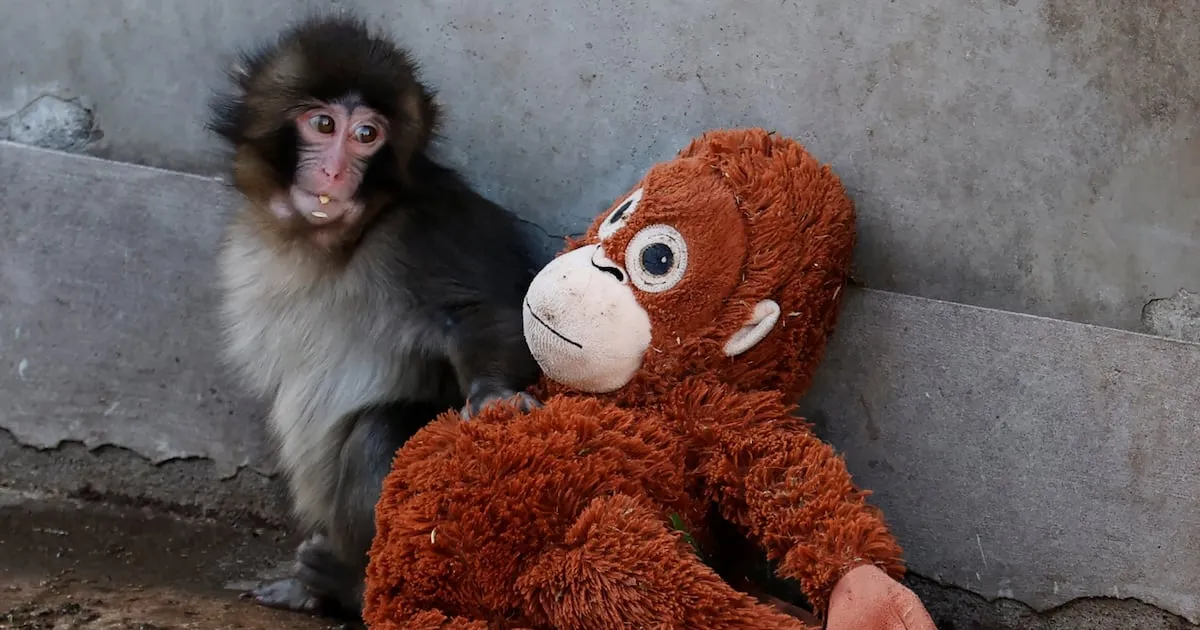
Punch, a nine-month-old macaque, first captured public interest earlier in the year when his mother abandoned him shortly after birth due to complications arising from a July heatwave. This unfortunate circumstance led to significant socialization challenges for the infant primate. Despite efforts by zoo caretakers to integrate Punch with other monkeys, these attempts proved unsuccessful. In response, the zoo provided him with a stuffed orangutan, with whom he formed a visible bond, often seen hugging and carrying it within his enclosure.
The zoo's initiative to provide comfort through a surrogate toy highlights a compassionate, albeit unconventional, approach to animal welfare in specific, challenging cases. This unique situation had already garnered widespread sympathy and attention, making the subsequent intrusion into his sanctuary a matter of considerable public interest, particularly given the alleged motives behind the trespassers' actions.
Cryptocurrency Culture and Real-World Ramifications
The alleged link between the intruders' actions and a cryptocurrency meme coin raises questions about the broader influence of digital asset communities on offline behavior. Social media accounts belonging to Daysun and Duan reportedly showcase affluent lifestyles, featuring travel, luxury items, and substantial amounts of cash, seemingly intended to promote online content. This pattern often aligns with the marketing strategies employed by certain meme coin projects, which frequently leverage influencer culture and aspirational imagery to attract investment.
The incident serves as a stark reminder of the potential consequences when online personas and digital asset affiliations translate into disruptive real-world actions. Japanese law enforcement agencies maintain strict protocols regarding public safety and animal welfare within zoos, and violations can result in significant penalties. The detention of the two Americans underscores the seriousness with which such breaches are treated.
Impact Analysis
This event may have broader implications for how cryptocurrency-related communities are perceived and regulated. The association of a disruptive act with a meme coin, however tenuous, could potentially lead to increased scrutiny of such digital assets and their associated online cultures. While the incident itself is an isolated case of alleged trespassing and animal endangerment, it occurs against a backdrop of ongoing discussions about the responsibilities of individuals associated with the cryptocurrency space, particularly concerning public conduct and the potential for online trends to influence offline behavior.
Furthermore, the case could indirectly affect tourism perceptions, highlighting the importance of adhering to local laws and cultural norms when visiting foreign countries. For Ichikawa City Zoo and the caretakers of Punch, the incident represents a distressing interruption to their dedicated efforts in rehabilitating and caring for the young macaque, emphasizing the need for enhanced security measures to protect their animals and facilities from external interference.