The digital asset industry in the United States has taken a significant step towards regulatory clarity as the House of Representatives overwhelmingly passed the Digital Asset Market Clarity Act (CLARITY Act) with a bipartisan vote of 294-134. This landmark legislation now advances to the Senate, where it is anticipated to face rigorous debate and potential amendments that could reshape its final form.
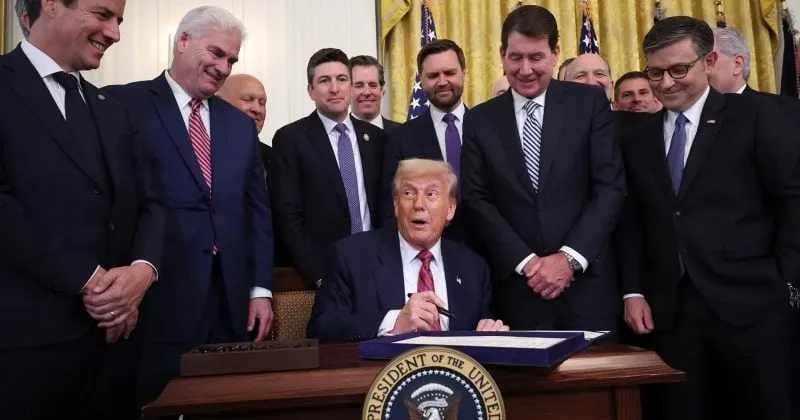
Senator Cynthia Lummis, a prominent advocate for cryptocurrency regulation, has indicated her commitment to ushering the bill through the Senate. The legislation also has the stated support of President Trump, who has pledged to sign it into law swiftly upon its arrival, underscoring a unified executive and legislative interest in establishing a clear federal framework for digital assets.
Understanding the CLARITY Act's Provisions
The core objective of the CLARITY Act is to establish a definitive federal regulatory framework for digital assets. A key component of this framework involves clearly delineating between assets classified as securities and those categorized as commodities. This distinction is crucial, as the Securities and Exchange Commission (SEC) and the Commodity Futures Trading Commission (CFTC) operate under vastly different regulatory mandates, enforcement philosophies, and compliance requirements.
The passage of the CLARITY Act follows closely on the heels of the GENIUS Act, which has already been enacted. The GENIUS Act created a federal regulatory structure specifically for payment stablecoins, a development the White House hailed as a boost to American economic competitiveness. The CLARITY Act is intended to build upon the GENIUS Act by addressing the broader spectrum of digital assets not covered by stablecoin-specific regulations, thereby creating a more comprehensive regulatory landscape.
Potential Senate Amendments and Industry Concerns
Despite the strong bipartisan support in the House, the bill's path through the Senate is uncertain. Several Republican lawmakers and industry organizations have voiced concerns that proposed amendments could fundamentally alter the bill's regulatory balance. There is apprehension that such changes might unduly empower specific agencies or established market players, thereby creating an uneven playing field in the digital asset governance space.
Industry stakeholders have cautioned that aggressive alterations to the bill could jeopardize the bipartisan consensus that facilitated its House approval. Critics of the potential Senate amendments contend that deviating from the industry-friendly approach seen in the GENIUS Act risks fragmenting the regulatory environment. This could result in a complex patchwork of rules rather than the cohesive, unified framework that the digital asset market has been advocating for.
While lawmakers initially targeted May for the finalization of the legislation, the ongoing discussions around amendments suggest that the timeline could be extended. Prolonged negotiations in the Senate over these proposed changes may delay the bill's progression to the President's desk.
Significance for Investors and Market Participants
Regulatory uncertainty has consistently been identified as a primary impediment to the widespread adoption of digital assets by institutional investors in the United States. The CLARITY Act's proposed classification of digital assets into securities and commodities is expected to provide much-needed guidance. This clarity will inform exchanges on the necessary compliance measures, assist custodians in structuring their services, and offer institutional investors a clearer understanding of the legal protections afforded to their digital asset holdings.
The specific language that emerges from the Senate's review, particularly concerning the transition of tokens from securities to commodities and the designation of the overseeing agency, will be critical. The ultimate effectiveness of the CLARITY Act in delivering the regulatory certainty its name suggests hinges on these determinations.
Impact Analysis
The successful passage of the CLARITY Act, even with potential Senate modifications, represents a pivotal moment for the U.S. digital asset market. By providing a clearer regulatory pathway, the legislation aims to foster innovation and encourage greater institutional participation, potentially solidifying the U.S.'s position in the global digital economy. The distinction between securities and commodities will simplify compliance for businesses operating in the space and offer greater predictability for investors, thereby reducing systemic risk and promoting market stability. The ongoing debate in the Senate highlights the complexities of regulating a rapidly evolving sector, but the bipartisan momentum signals a growing recognition of the need for a comprehensive and balanced approach.