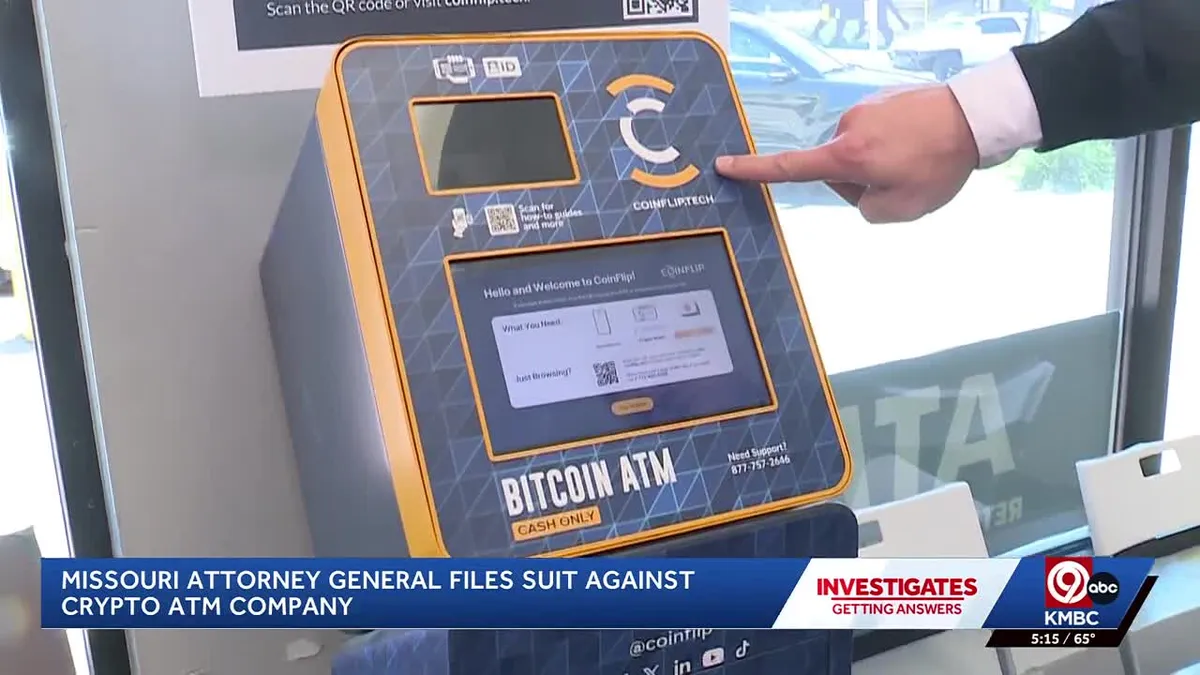
Missouri Attorney General Catherine Hanaway has initiated legal proceedings against a prominent cryptocurrency ATM company, filing a lawsuit in Jasper County on behalf of three alleged victims. This action aligns with a growing trend of increased scrutiny and regulatory action against crypto ATM operators across the United States.
The lawsuit signals a significant escalation in efforts by state and federal authorities to address potential fraudulent activities and consumer protection issues associated with the burgeoning cryptocurrency ATM sector. As more individuals turn to these machines for converting fiat currency to digital assets and vice versa, concerns regarding transparency, security, and adherence to financial regulations have intensified.
Increased Regulatory Scrutiny on Crypto ATMs
The proliferation of cryptocurrency ATMs has provided a more accessible, albeit sometimes less regulated, entry point for individuals to engage with digital assets. However, this accessibility has also attracted scrutiny from law enforcement and consumer protection agencies. The Missouri lawsuit highlights a broader national concern that some operators may be exploiting consumers or facilitating illicit activities through their platforms.
Prosecutors and Attorneys General nationwide are increasingly targeting companies operating these machines, indicating a coordinated effort to bring more oversight to the space. The specific allegations in the Missouri case are not detailed in the initial report, but such lawsuits typically involve claims of deceptive practices, failure to comply with money laundering regulations, or outright fraud against users. 
Allegations and Victim Impact
While the precise nature of the allegations against the unnamed crypto ATM company in Missouri remains under wraps pending further legal proceedings, the involvement of the Attorney General's office suggests serious claims. The fact that the suit is filed on behalf of three victims underscores the direct impact these alleged practices have on consumers. These cases often involve situations where users may have been misled about transaction fees, exchange rates, or the security of their funds.
The inclusion of victim testimony or evidence is crucial in building a case against such operators. These individuals are often left with financial losses and a diminished trust in the digital asset ecosystem. The Attorney General's office aims to not only seek restitution for the affected parties but also to establish legal precedents that deter future misconduct within the industry.
The Broader Regulatory Landscape for Crypto ATMs
This legal action in Missouri is part of a larger pattern of regulatory enforcement targeting the cryptocurrency industry, particularly focusing on areas with direct consumer interaction. Unlike centralized exchanges, which are often subject to stringent Know Your Customer (KYC) and Anti-Money Laundering (AML) regulations, crypto ATMs can sometimes operate in a regulatory gray area, making them attractive for illicit actors and problematic for consumer protection.
The U.S. Department of Justice and various state agencies have been working to identify and prosecute entities that violate financial laws. The increasing number of lawsuits and investigations suggests a concerted effort to ensure that the burgeoning crypto ATM market operates within established legal frameworks. This includes compliance with reporting requirements, fraud prevention measures, and consumer disclosure standards. 
Future Implications for Crypto ATM Services
The lawsuit filed by Missouri's Attorney General is likely to have a ripple effect across the cryptocurrency ATM industry. Companies operating such services may face increased pressure to enhance their compliance protocols, improve transparency with users, and invest in better security measures. Furthermore, this action could prompt legislative bodies to consider clearer regulations specifically governing cryptocurrency ATMs.
For consumers, this signifies a step towards greater protection in their engagement with cryptocurrency services. As regulators continue to assert their authority, individuals utilizing crypto ATMs can expect a more secure and transparent environment, though the accessibility and convenience of these machines might be impacted by stricter operational requirements.