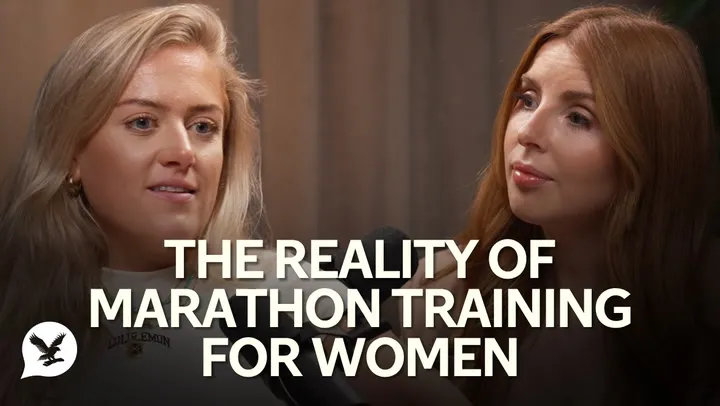
Elite marathon runner Anya Culling has shared a deeply personal account of her health journey, revealing a period of amenorrhea—the absence of menstruation—that she initially dismissed as a normal consequence of intense athletic training. Her story, featured in a recent discussion on wellness and athletic performance, highlights a critical yet often overlooked aspect of women's health in endurance sports: the potential for hormonal imbalances to go unaddressed, even at the highest levels of competition. Culling's experience underscores the complex relationship between extreme physical exertion, body weight, and the female reproductive system, challenging the long-held, but erroneous, belief among some athletes that the cessation of periods is a badge of honor or an unavoidable side effect of peak performance.
Her candid conversation delves into the mental and physical toll of her early health challenges, her significant progress in marathon times, and the pivotal moment she realized the severity of her condition. Culling's narrative serves as a powerful testament to the importance of listening to one's body and seeking appropriate medical guidance, even when external pressures or ingrained beliefs suggest otherwise. The discussion also touches upon the pervasive issue of 'wellness overwhelm' and provides insights into distinguishing between optimal training and overtraining, offering valuable lessons for both athletes and the wider sports community.
The Silent Impact of Amenorrhea in Elite Athletics
Anya Culling's journey sheds light on the prevalence of Relative Energy Deficiency in Sport (RED-S) among female athletes. This syndrome occurs when an athlete does not consume enough energy to meet the demands of their training and reproductive functions, leading to a cascade of physiological impairments. Amenorrhea, or the loss of menstruation, is a key indicator of RED-S. While it might seem like a minor inconvenience to some, the absence of menstrual cycles signals significant hormonal disruption. This can lead to decreased estrogen levels, which are crucial for bone health, cardiovascular function, and overall well-being. In the long term, this can increase the risk of stress fractures, osteoporosis, and other serious health issues.
Culling's realization that her lost period was not 'normal' came ironically, in stark contrast to the prevalent misconception within certain athletic circles. Her coach's decisive action—refusing to train her until her health was addressed—was a critical intervention. This highlights the vital role of support systems, particularly coaches, in recognizing and acting upon signs of RED-S. The condition is not merely a reproductive issue; it affects multiple bodily systems and can significantly impair an athlete's long-term health and performance trajectory. Addressing it requires a holistic approach that prioritizes the athlete's overall health over immediate performance gains.
Navigating Wellness Overwhelm and Overtraining
In today's performance-driven environment, athletes often face a barrage of advice on nutrition, recovery, and mental conditioning, leading to what Culling terms 'wellness overwhelm.' This can make it difficult to discern genuine health needs from fads or excessive demands. Distinguishing between pushing boundaries for improvement and engaging in detrimental overtraining is a fine line. Overtraining syndrome (OTS) can manifest in various ways, including persistent fatigue, decreased performance, mood disturbances, and increased susceptibility to illness and injury. For female athletes, the signs of RED-S, such as amenorrhea, often become intertwined with or masked by the general symptoms of overtraining.
Culling's experience suggests that proactive education and open communication between athletes and their support teams are paramount. Understanding the nuanced physiological responses to training load is essential. This includes recognizing that consistent menstrual cycles are a sign of good health and hormonal balance, not a hindrance to performance. Implementing strategies for adequate energy availability, listening to the body's recovery signals, and seeking professional medical and nutritional advice are key to preventing both overtraining and RED-S, thereby ensuring sustainable athletic careers and overall health.
Addressing Unaddressed Women's Health Issues in Sport
The challenges faced by elite female athletes regarding their reproductive health have historically been under-addressed. Societal and athletic cultures have sometimes normalized or even encouraged behaviors that compromise women's health, such as extreme weight loss or the suppression of menstruation for performance. This has created an environment where athletes may feel pressure to ignore or downplay symptoms that signal underlying health problems.
Culling's story contributes to a growing movement aimed at destigmatizing and prioritizing women's health in sports. By sharing her vulnerability and resilience, she empowers other athletes to speak openly about their experiences and seek help without fear of judgment or negative repercussions on their careers. The recovery principle that transformed her journey emphasizes a comprehensive approach to health, integrating physical training with robust nutritional support, adequate rest, and consistent medical monitoring. This shift in perspective is crucial for fostering a healthier, more supportive environment for female athletes, ensuring they can achieve peak performance without compromising their long-term well-being.