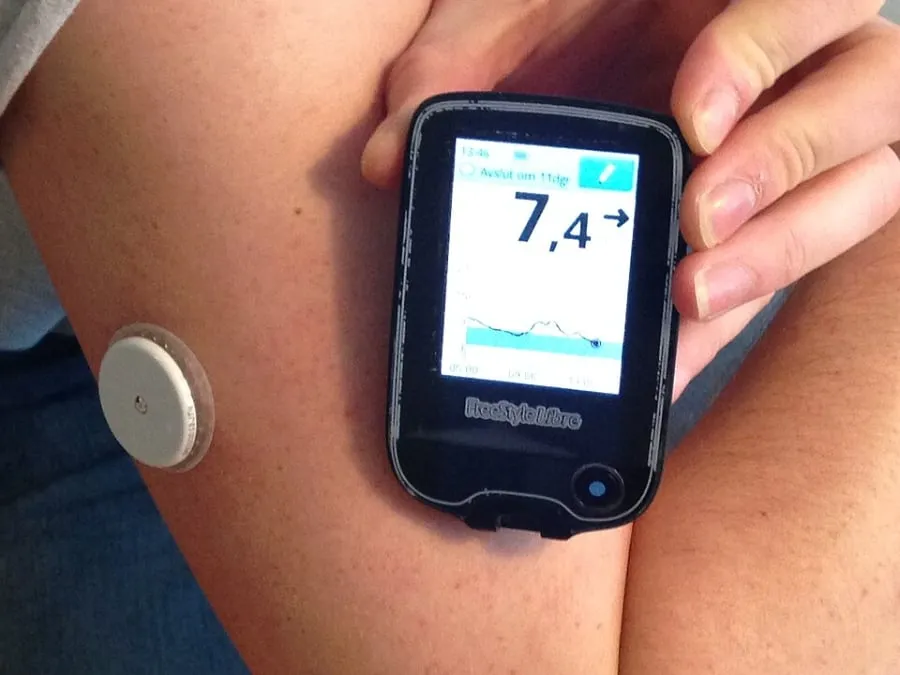
The landscape of personal health monitoring is undergoing a significant transformation, with continuous glucose monitors (CGMs) at the forefront. Originally developed to aid individuals with diabetes in managing their blood sugar levels, this sophisticated technology is rapidly expanding its reach beyond clinical settings into the burgeoning wellness sector. This shift signifies a pivotal moment where glucose tracking evolves from a critical disease management tool into an integral component of a broader, data-driven personal health ecosystem.
Wearable glucose-tracking devices are now being adopted by a diverse range of users, including athletes, fitness enthusiasts, and health-conscious consumers who may not have diabetes. These individuals are leveraging CGMs to gain real-time insights into how various lifestyle factors – such as diet, sleep patterns, stress levels, and physical activity – directly impact their metabolism. This granular data empowers users to make more informed decisions about their daily habits, fostering a proactive approach to health and well-being.
The Evolving Glucose Monitoring Ecosystem
The current market for glucose monitoring is characterized by a multi-faceted ecosystem, encompassing advanced subcutaneous CGM technology, innovative non-invasive optical sensing methods, biofluid platforms analyzing sweat and tears, and sophisticated AI-driven predictive analytics. This convergence of technologies is accelerating the evolution of the industry, moving beyond the initial stages of basic glucometer hardware and clinically validated CGMs.
Research indicates that the industry has progressed through distinct phases since the 1990s. The initial phase focused on the development of early glucometer hardware. This was followed by the advent of clinically validated CGMs, which offered more continuous and comprehensive data. The current and most advanced phase is defined by the integration of AI and advanced analytics, building a robust health infrastructure around the data generated by wearable sensors.
The Rise of Preventive Health and Early Detection
The burgeoning interest in glucose monitoring is intrinsically linked to a broader societal emphasis on preventive healthcare. Prediabetes, a condition that often develops silently over extended periods before formal diagnosis, is a primary area where this technology shows immense promise. Researchers and innovative startups are exploring the potential of wearable glucose tracking to identify metabolic irregularities at much earlier stages compared to traditional, infrequent annual blood tests.
CGMs provide continuous, minute-by-minute readings of glucose levels within the interstitial fluid, offering a dynamic view of metabolic fluctuations. This contrasts sharply with the static snapshot provided by conventional lab tests. Proponents argue that this real-time feedback loop is significantly more effective in prompting behavioral changes. Many users report increased awareness of how specific foods affect their bodies, noting immediate glucose spikes after consumption and subsequently making necessary dietary adjustments.
Glucose Variability as a Health Indicator
Beyond simply monitoring average blood sugar levels, researchers are increasingly investigating the significance of glucose variability. This metric may serve as an early indicator for a range of potential health issues, including metabolic diseases, systemic inflammation, elevated cardiovascular risk factors, and the future development of Type 2 diabetes. Understanding these fluctuations offers a more nuanced perspective on metabolic health.
Statistical data underscores the prevalence of diabetes and prediabetes globally. According to the Centers for Disease Control and Prevention, a substantial portion of the American population is affected by these conditions. Globally, the International Diabetes Federation reports hundreds of millions living with diabetes. This widespread impact highlights the critical need for advanced monitoring and early intervention strategies.
AI and Personalized Health Insights
The focus in the glucose monitoring sector is shifting from the hardware itself to the sophisticated data collection and analysis capabilities it enables. Glucose sensors are increasingly viewed as integral components of extensive AI models. These models are designed to forecast health outcomes, provide personalized behavioral recommendations, and tailor nutritional guidance, thereby creating a highly individualized health management experience.
Research conducted in academic labs has revealed that individual responses to the same foods can vary significantly, leading to different glucose profiles. This discovery has been instrumental in the development of personalized glucose prediction platforms that leverage AI to offer tailored dietary insights. The integration of AI promises to unlock deeper understandings of individual metabolic health, moving beyond one-size-fits-all approaches.
Impact Analysis
The expansion of CGMs into the general wellness market represents a significant democratization of health data. By providing accessible, real-time metabolic insights, these devices empower individuals to take greater control over their health, potentially leading to earlier detection of metabolic issues and improved long-term health outcomes. This trend underscores a broader shift towards personalized, data-driven preventive healthcare, moving away from reactive treatment models.