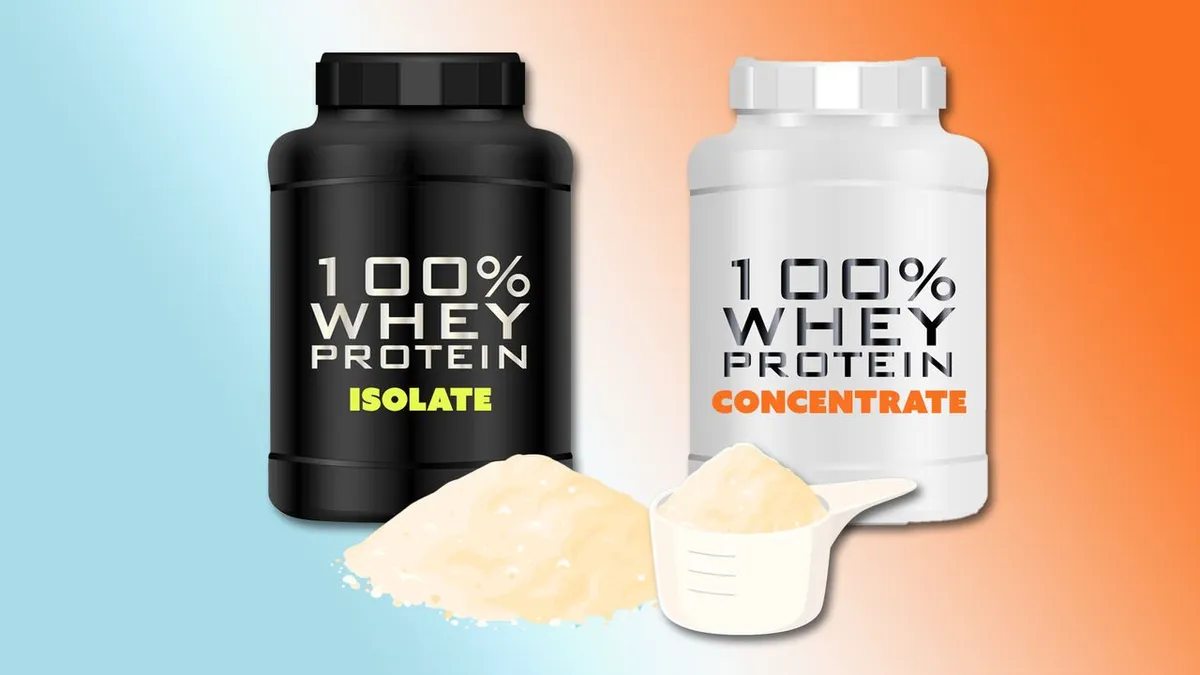
In the pursuit of fitness goals and muscle development, protein powders have become ubiquitous. Among the most popular are those derived from whey, a byproduct of cheese production. However, the market is often flooded with terms like "isolate" and "concentrate," leaving many consumers perplexed about which form offers the most benefits. Understanding the nuances between these two primary types of whey protein is crucial for making informed dietary choices that align with individual health and fitness objectives.
Whey protein, originating from cow's milk, is celebrated for its rapid digestion and complete amino acid profile, essential for muscle repair and growth. It is processed into different forms, with isolate and concentrate being the most prevalent. While both are derived from the same source and offer significant protein content, their processing levels result in distinct nutritional compositions, absorption rates, and suitability for different dietary needs, particularly concerning carbohydrates, fats, and lactose.
Decoding Whey Protein Types
Understanding Whey Protein Isolate
Whey protein isolate represents a more refined form of whey protein. Through advanced filtration processes, manufacturers significantly reduce the levels of carbohydrates, fats, and lactose present in the original whey. This rigorous processing yields a product that is exceptionally pure, often containing 90-95% protein by weight. Nutritionally, this translates to a higher protein concentration per serving, typically ranging from 25 to 30 grams of protein in a 30-gram scoop.
The primary advantages of whey isolate include its rapid absorption rate, which allows the body to utilize the amino acids quickly post-exercise, and its minimal fat and carbohydrate content, making it suitable for those managing calorie intake or aiming for lean muscle gain. Furthermore, its near-complete removal of lactose makes it an excellent option for individuals with lactose intolerance or sensitivity, minimizing digestive discomfort.
The Profile of Whey Protein Concentrate
Whey protein concentrate, in contrast, undergoes a less intensive processing stage. This means it retains a higher proportion of naturally occurring carbohydrates (including lactose) and fats compared to isolate. The protein content in concentrate typically ranges from 70% to 80% by weight, offering slightly less protein per serving than isolate. For example, a 30-gram scoop might yield approximately 21-24 grams of protein.
Despite the lower protein percentage, whey concentrate offers certain benefits. The presence of fats and carbohydrates can contribute to a greater sense of satiety, making it a more substantial supplement option. Additionally, concentrate retains more of the naturally occurring beneficial compounds found in whey, such as immunoglobulins and growth factors, which are linked to immune support and muscle recovery. This form is often considered closer to a whole-food protein source.
Whey Protein: When to Consume
The timing of protein intake can be optimized based on the type of whey protein consumed and individual goals. Whey protein isolate, owing to its rapid absorption, is often recommended for consumption immediately post-workout. This timing capitalizes on the body's heightened need for nutrients to initiate muscle repair and synthesis. It is particularly beneficial for individuals focused on precise body composition management or those in a calorie deficit, as its low fat and carb content contributes fewer additional calories.
Whey protein concentrate, while still beneficial post-workout, is perhaps more versatile for general daily use. Its inclusion in smoothies, snacks, or even baked goods can effectively boost overall protein intake throughout the day. The slight delay in absorption compared to isolate is generally not a significant drawback for most users unless extremely rapid nutrient delivery is a specific, niche requirement. The satiating effect of concentrate can also be advantageous when used between meals.
Isolate vs. Concentrate: A Nutritional Showdown
From a purely quantitative protein perspective, whey isolate typically edges out concentrate, offering a higher protein yield per serving. This makes it a more calorie-efficient choice for individuals strictly monitoring macronutrient intake. Studies, such as those published in the American Journal of Clinical Nutrition, have highlighted whey isolate's rapid digestion and high protein content, positioning it favorably for post-exercise recovery.
However, the debate between the two is not entirely one-sided. Some nutritionists advocate for whey concentrate due to its richer profile of bioactive compounds, which may offer additional immune and gut health advantages that are diminished in the highly processed isolate form. These compounds, like immunoglobulins and lactoferrin, contribute to the overall health benefits beyond mere muscle protein synthesis. Therefore, while isolate is lauded for its efficiency, concentrate is recognized for its broader nutritional and functional contributions.
Making the Right Choice for You
The optimal choice between whey protein isolate and concentrate depends heavily on individual circumstances, dietary needs, and fitness objectives. For individuals with lactose intolerance or those prioritizing maximum protein purity and rapid absorption for specific training goals (like competitive athletes or those in strict cutting phases), whey isolate is often the preferred option. Its efficiency in delivering protein without excess calories or carbohydrates is a significant advantage in these scenarios.
Conversely, for budget-conscious individuals, older adults seeking immune support, or those who do not have lactose sensitivities and prefer a more satiating protein supplement, whey concentrate presents a compelling choice. It offers substantial protein along with beneficial compounds and is generally more economical. Ultimately, consistency in meeting daily protein requirements from a combination of whole foods and supplements is paramount. Selecting a protein powder should align with personal tolerance, budget, and broader dietary strategies, rather than being the sole determinant of nutritional success.
Impact Analysis
The distinction between whey protein isolate and concentrate, while seemingly technical, has practical implications for consumers aiming to optimize their nutritional intake. For individuals with specific dietary restrictions, such as lactose intolerance, the choice of isolate becomes a necessity for avoiding adverse digestive reactions. Similarly, athletes or those with very specific body composition goals might favor isolate for its higher protein-to-calorie ratio and rapid absorption. However, the broader health benefits associated with the less processed concentrate, including enhanced immune and gut support due to its higher concentration of bioactive compounds, present a compelling argument for its use by a wider demographic. The continued availability and distinct benefits of both forms allow for a personalized approach to supplementation, emphasizing that the 'best' option is not universal but contingent on individual physiological needs, dietary preferences, and fitness aspirations. This nuanced understanding empowers consumers to select products that best support their overall health and performance objectives.