
Galeri, a prominent arts center in Caernarfon, Gwynedd, has introduced a new policy restricting access for individuals under the age of 16 after 7:00 PM BST, requiring them to be accompanied by a "responsible adult." This measure comes in response to a significant increase in reported instances of anti-social conduct attributed to a segment of younger patrons. The cinema has emphasized that this is a temporary arrangement aimed at addressing immediate concerns while a more sustainable solution is developed.
The decision follows a series of escalating complaints detailing disruptive behaviors such as damaging seating, shouting at other audience members, and filming during screenings. These actions have created an unwelcome environment for many attendees, prompting the venue to re-evaluate its audience policies. The new rule mandates that patrons under 16 must be accompanied by an adult after 7:00 PM, and entry may be denied if age cannot be verified or if an accompanying adult is not present. This policy reflects a broader societal concern regarding public etiquette and the impact of digital habits on shared experiences.
Addressing Audience Behavior and Evolving Cinema Etiquette
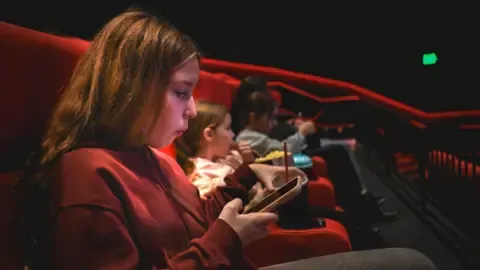
The shift in audience behavior has been a growing concern for many public venues, including cinemas. Film critic Gary Slaymaker noted that disruptive actions, particularly the use of mobile phones during screenings, have become more prevalent since the period of pandemic-related lockdowns. He suggested that the prolonged reliance on streaming services at home, where multi-tasking with devices is common, may have contributed to a decrease in attention spans and a blurring of lines regarding in-venue etiquette. This trend poses a challenge for traditional cinema experiences, which rely on a shared, focused audience engagement.

Slaymaker elaborated on the challenges faced by cinema staff, many of whom are students working part-time. He expressed that these employees should not be burdened with addressing disruptive patrons, a task that can be confrontational and uncomfortable. While acknowledging that directly confronting disruptive individuals carries its own risks due to the unpredictability of such interactions, he also proposed innovative, albeit "extreme," solutions like mobile phone lockboxes to help mitigate the issue and preserve the cinematic atmosphere.
The Impact of Digital Habits on Public Spaces
The phenomenon described by Slaymaker highlights a broader societal shift influenced by the digital age. The constant connectivity and the accessibility of personal devices have fundamentally altered how people interact with both private and public spaces. The ease with which individuals can engage with multiple digital streams simultaneously at home may translate into a decreased tolerance for passive experiences, such as watching a film in a communal setting without digital interruption.

This change in audience behavior necessitates a re-evaluation of venue management strategies. Cinemas, theaters, and other public entertainment venues are increasingly finding themselves needing to balance the desire to attract diverse audiences with the imperative to maintain a comfortable and respectful environment for all. The policy implemented by Galeri is a direct response to this challenge, aiming to create a more predictable and enjoyable experience for its patrons by setting clear expectations for behavior, particularly during evening screenings.
Galeri's Response and Future Outlook
Galeri's decision to implement an age restriction, albeit temporary, underscores the difficulties cultural institutions face in adapting to changing social norms and behaviors. The cinema has framed the change as a necessary step to safeguard the experience of its entire audience, acknowledging the significant concern that disruptive behavior has become for the art center. This proactive approach aims to preempt further damage to facilities and ensure that the core mission of providing an artistic and cultural venue remains viable.

The statement from Galeri expresses a degree of reluctance in making these changes, indicating a hope that a long-term solution can be found that does not involve such restrictions. The organization is likely exploring various strategies, which could include enhanced staff training, revised ushering protocols, or even partnerships with community groups to foster better understanding and adherence to public etiquette among younger demographics. The success of these efforts will be crucial in determining the future of such policies in similar venues.
Broader Implications for Public Venues
The situation at Galeri is not isolated; many public venues are grappling with similar issues related to audience conduct and the impact of evolving societal habits. The increase in reported disruptive behaviors suggests a need for clearer guidelines and consistent enforcement across various public spaces. The conversation initiated by this policy change extends beyond cinemas to libraries, theaters, and even restaurants, all of which strive to maintain a balance between inclusivity and the quality of the experience offered.
Ultimately, the challenge lies in fostering a shared understanding and respect for public spaces and the collective experience they offer. While temporary measures like age restrictions can address immediate problems, sustainable solutions will likely involve community engagement, educational initiatives, and a commitment from both venues and patrons to uphold standards of courtesy and respect. The outcome of Galeri's temporary policy will undoubtedly be watched closely by other organizations facing similar dilemmas.