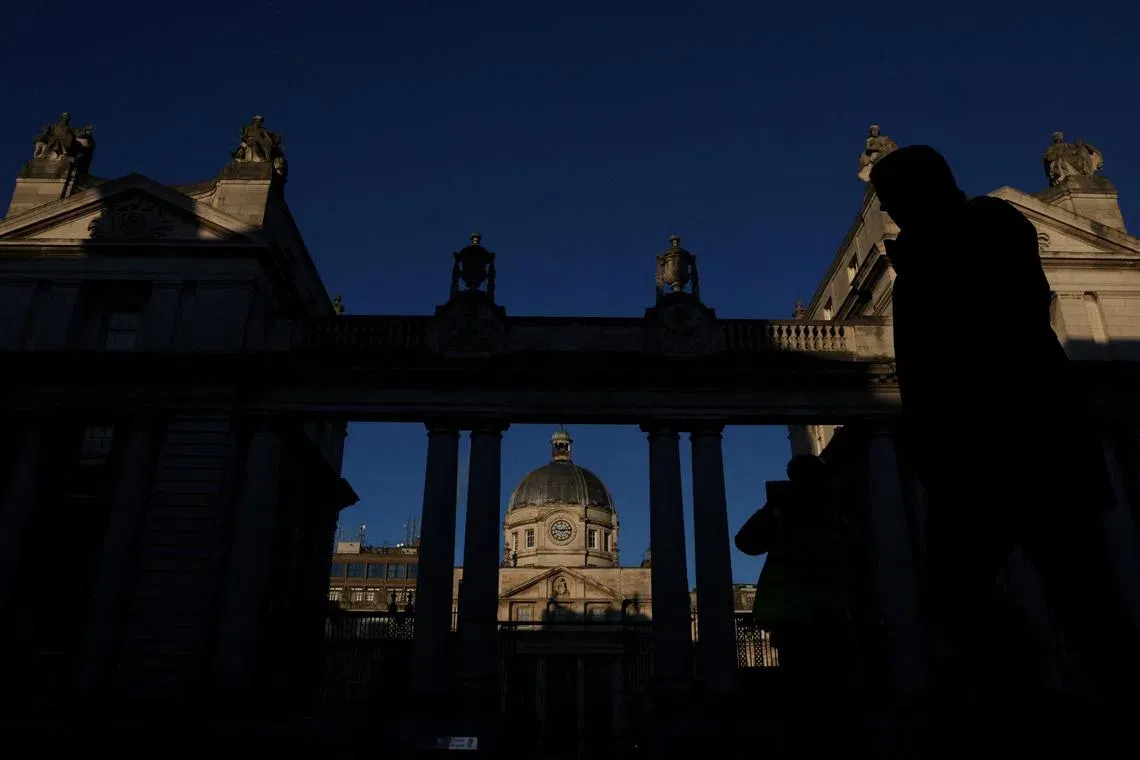
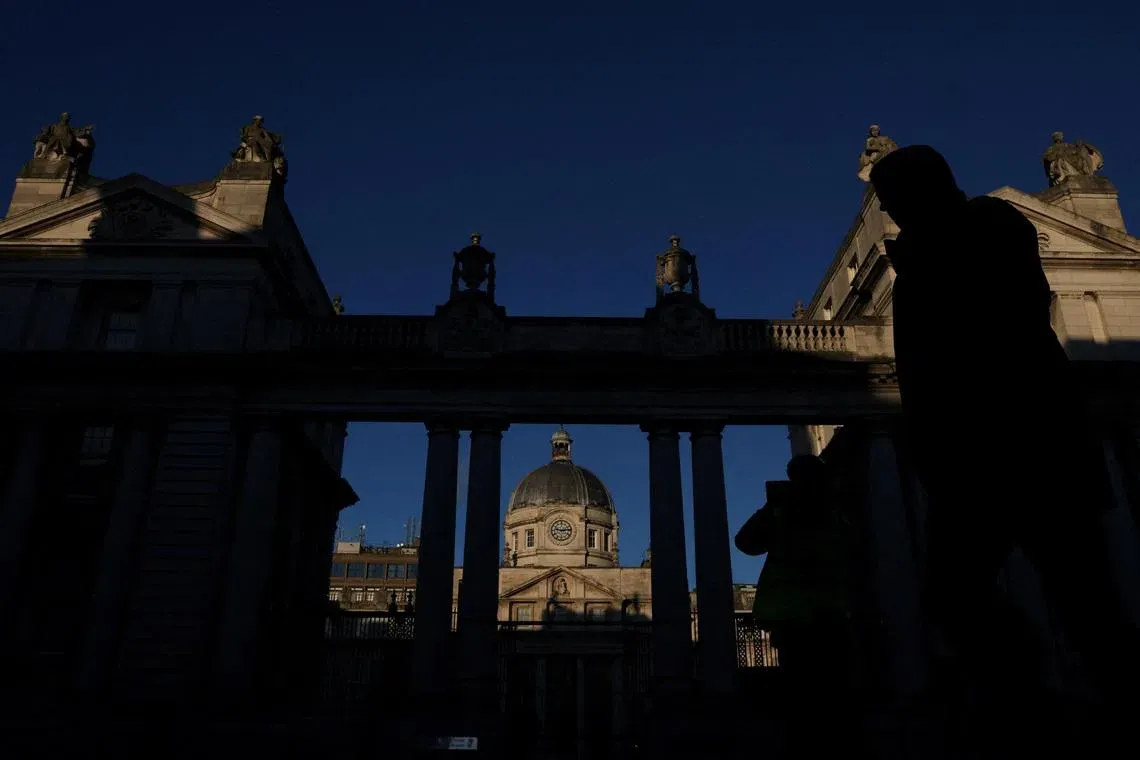
Ireland's political landscape saw significant shifts following recent by-elections, with the governing centre-right Fine Gael party and the Social Democrats, a prominent centre-left party, emerging victorious in their respective contests. These outcomes offer a mixed bag for the coalition government and the opposition, signaling evolving voter preferences and party dynamics. The results also cast a shadow over the ambitions of Sinn Féin, which had hoped to capitalize on its growing influence, and highlighted potential challenges for the Fianna Fáil party within the coalition.
The Social Democrats' victory in Dublin represents a notable expansion of their parliamentary presence, building on the momentum gained in the previous general election. This win positions them as an increasingly influential force in Irish politics, underscoring their appeal to a diverse range of voters. Meanwhile, Fine Gael's success in Galway reinforces the coalition's parliamentary majority, demonstrating its ability to hold onto key seats. The broader implications of these by-elections suggest a fragmented electorate where parties from across the political spectrum are fiercely contending for voter support.
Analysis of By-Election Outcomes
Social Democrats' Momentum Continues
The triumph of Daniel Ennis for the Social Democrats in Dublin Central is a significant achievement for the party, which was formed just over a decade ago. This win, which saw the party double its seats to 11 in the last general election, marks it as the fourth-largest party in the Irish parliament. The Social Democrats appear to be successfully attracting progressive voters, potentially drawing support from traditional Sinn Féin constituents. This strategic appeal suggests an effective engagement with contemporary social and economic issues, resonating with a segment of the electorate seeking alternative progressive policies.
 The party's growth trajectory indicates a strong organizational capacity and a clear policy platform that aligns with evolving voter expectations. Their ability to capture seats in areas with strong opposition presence demonstrates a growing electoral reach beyond their core support base. This success could embolden the party to pursue more ambitious policy initiatives and strengthen its position in future national political discussions.
Fine Gael Secures Crucial Seat
Sean Kyne's victory in the Galway by-election was particularly noteworthy, as it marked only the fourth time a government party candidate has won a by-election since 1982. This success is vital for the coalition, helping to maintain its slim parliamentary majority and provide stability for Prime Minister Micheal Martin's administration. The outcome suggests that Fine Gael, despite broader coalition pressures, can still effectively mobilize its support base and secure electoral wins in key constituencies. The performance of Independent Ireland, a right-leaning party focused on rural issues, as a close contender to Kyne also signals the diverse political currents at play.
The by-election results could potentially intensify scrutiny on the performance of Fianna Fáil, the other major party in the coalition. A weaker showing for them in these contests might embolden internal dissent and add to the existing pressures on the Prime Minister. The intricate balance of power within the coalition will likely be a subject of ongoing political analysis and strategic maneuvering in the coming months.
Sinn Féin's Setback and Gerry Hutch's Candidacy
The by-election results delivered a setback for Sinn Féin, which had aimed to expand its parliamentary footprint in Dublin Central. The party's inability to secure a seat in a district where its leader, Mary Lou McDonald, holds a seat indicates potential challenges in converting its established popularity into further electoral gains. This outcome may reflect shifts in voter allegiance, with some progressive voters perhaps opting for the Social Democrats, and traditional working-class support potentially being swayed by emerging right-wing political forces, mirroring trends observed in previous elections.
The performance of Gerry Hutch, identified by an Irish court as the head of a crime family, also drew attention. Running on a platform that included anti-immigration sentiment, Hutch secured 11% of the vote, narrowly missing out on a seat. While Hutch has publicly denied leadership of a crime gang, his electoral participation and vote share highlight the complex and often contentious nature of certain political campaigns and the diverse motivations influencing voter choices. His candidacy, while unsuccessful in securing a seat, underscores the fragmentation of the political landscape and the emergence of various single-issue or protest campaigns.
Electoral Landscape and Voter Fragmentation
The combined results from the Dublin Central and Galway by-elections underscore the highly fragmented nature of the Irish electorate. With four distinct parties — Fine Gael, Social Democrats, Sinn Féin, and Independent Ireland — vying closely for just two seats, the electoral dynamics are complex. This fragmentation suggests that voters are increasingly willing to explore options beyond traditional party lines, potentially influenced by a range of issues including economic concerns, social policies, and national identity.
The performance of smaller parties and independent candidates, like Hutch, further illustrates this trend. It indicates a segment of the electorate seeking alternatives or expressing dissatisfaction with the established political order. The challenge for all parties moving forward will be to navigate this fragmented landscape effectively, build broad coalitions of support, and address the diverse concerns of an evolving voter base in future electoral contests.
Impact Analysis
The by-election outcomes have several implications for Ireland's political stability and future electoral trends. For the governing coalition, the wins by Fine Gael and the Social Democrats provide a degree of affirmation and help solidify their parliamentary position. However, the performance of Fianna Fáil within the coalition may lead to internal recalibrations. The Social Democrats' strengthened position could enhance their influence on policy development, potentially shifting the government's overall political orientation. Conversely, Sinn Féin's inability to capitalize on its standing signals a need to reassess its electoral strategy, particularly in urban centers. The continued fragmentation of the electorate suggests that future elections may result in complex coalition negotiations, emphasizing the need for adaptable political strategies and broad-based appeal across different voter demographics.