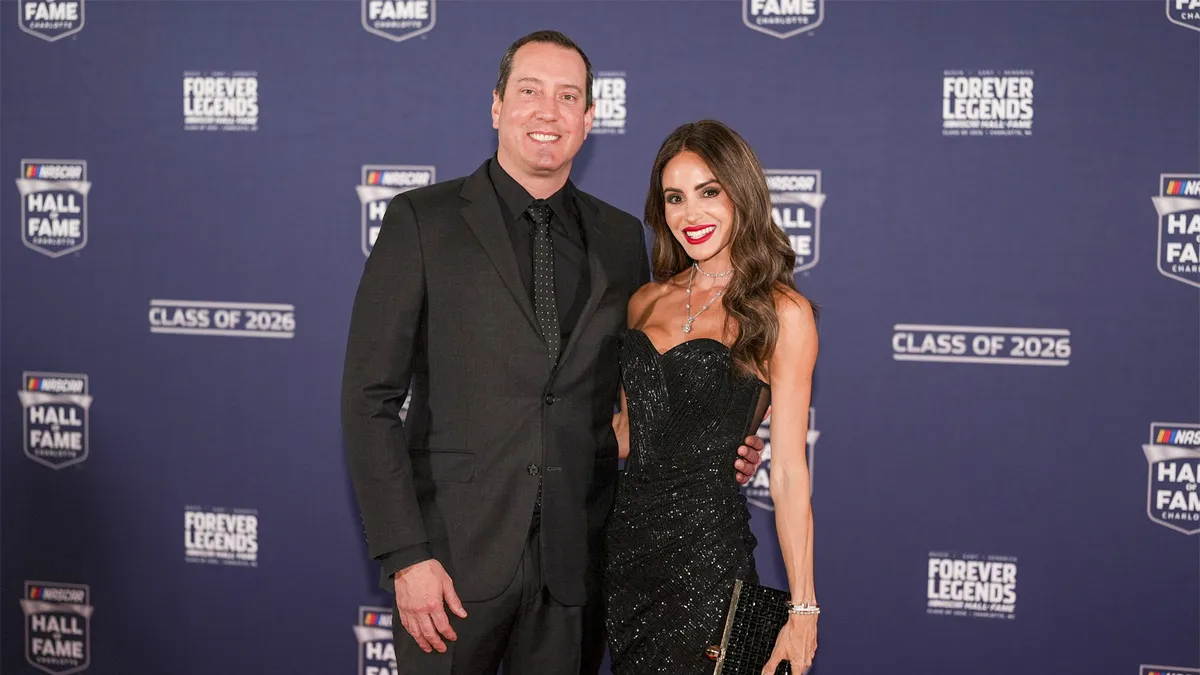
Professional golfer and prominent social media personality Paige Spiranac has once again captured the attention of her vast online following with a recent glamorous selfie. This appearance comes approximately one month after her return to social media platforms, following a self-imposed hiatus to address significant anxiety issues. Spiranac, who has cultivated a massive audience across various platforms, including Instagram where she boasts over four million followers, had previously expressed her struggles with mental health, leading to her temporary departure from public digital life at the end of 2025.
During her break, Spiranac candidly shared her experiences with her audience, describing a feeling of being trapped in a "funky rut" and even confessing to temporarily ceasing her golf activities to prioritize her well-being. Her return last month was marked by a noticeable shift, including a refreshed look, which was well-received by her followers. The recent selfie, posted on a Tuesday evening, features Spiranac in an elegant black dress, accompanied by the caption, "Sometimes I get to dress up." This post quickly ignited a flurry of positive reactions and engagement in the comments section, underscoring her significant influence and the public's continued interest in her personal and professional life.
The Impact of Social Media Presence and Mental Health
Spiranac's Candid Disclosure on Anxiety
In an earlier Instagram Live session this month, Spiranac provided deeper insights into the reasons behind her social media hiatus. She articulated that she had been experiencing a prolonged "funk" or "rut," feeling introspective and overthinking various aspects of her life. This state, she explained, led to a significant increase in anxiety, which she felt was beginning to dominate her actions and decisions. Her desire to overcome this internal struggle was a primary motivator for gradually increasing her online presence again, aiming to return to her previous level of activity and engagement.
Spiranac further elaborated on the psychological impact of her situation, noting a period where she felt self-pity and frustration regarding how she was perceived by others. She realized that her own curated online persona might not accurately reflect her true self, prompting a desire for change. This led her to acknowledge that external validation or perception is often a reflection of what one chooses to project. She expressed a commitment to actively address her mental state, working through the challenges and aiming to regain a sense of normalcy and proactive engagement with her audience and her own life.

Navigating Public Perception and Personal Boundaries
The golf influencer discussed the challenges inherent in her profession, describing how the demands of maintaining a public profile can be mentally taxing. She admitted to constructing emotional "walls" as a protective measure against the pressures and potential negativity associated with her career. Over time, she felt these defenses led to a personal transformation, causing her to alter her behavior and identity to a degree that she no longer recognized herself. This realization served as a catalyst for her to re-evaluate her approach to public engagement and personal well-being.
Spiranac's journey highlights a critical conversation surrounding the mental health of public figures, particularly those who build their careers on social media platforms. The constant pressure to perform, maintain an image, and engage with a large audience can take a significant toll. Her willingness to share these vulnerabilities not only resonates with individuals experiencing similar struggles but also contributes to a broader cultural understanding of the complexities of mental health in the digital age. Her efforts to balance her public persona with her personal needs reflect a growing trend towards authenticity and self-care among influencers.
Fan Reactions and Continued Engagement
The recent selfie posted on X (formerly Twitter) elicited an overwhelmingly positive response from Spiranac's followers. Comments ranged from expressions of admiration for her appearance, with terms like "SPECTACULAR," "gorgeous," and "stunning," to well-wishes for her evening. The public's enthusiastic reception underscores her continued popularity and the strong connection she maintains with her audience, despite her recent challenges.
The supportive comments demonstrate a clear appreciation for Spiranac's candidness and her efforts to navigate her personal struggles while remaining connected with her fans. Her followers seem to appreciate her ability to present different facets of her life, from her professional sporting persona to her more personal, glamorous moments. This interaction pattern suggests a loyal fanbase that supports her journey, acknowledging both her public achievements and her personal battles.
Impact Analysis
Paige Spiranac's recent social media activity and her open discussions about mental health have significant implications for her personal brand and for the broader landscape of influencer culture. By sharing her struggles with anxiety and the steps she is taking to manage it, Spiranac is contributing to the destigmatization of mental health issues, particularly among young adults and women who form a substantial part of her demographic. Her experience serves as a relatable narrative, encouraging others to seek support and prioritize their well-being.
Furthermore, Spiranac's ability to maintain a strong and engaged following while navigating these personal challenges demonstrates a resilience that resonates with her audience. Her return to posting, coupled with her continued candidness, reinforces the evolving nature of influencer engagement, moving beyond curated perfection towards more authentic and humanized portrayals. This approach not only strengthens her connection with her existing followers but also sets a precedent for how public figures can manage their online presence in a way that is both personally sustainable and professionally rewarding, potentially influencing industry standards for mental health awareness and disclosure.