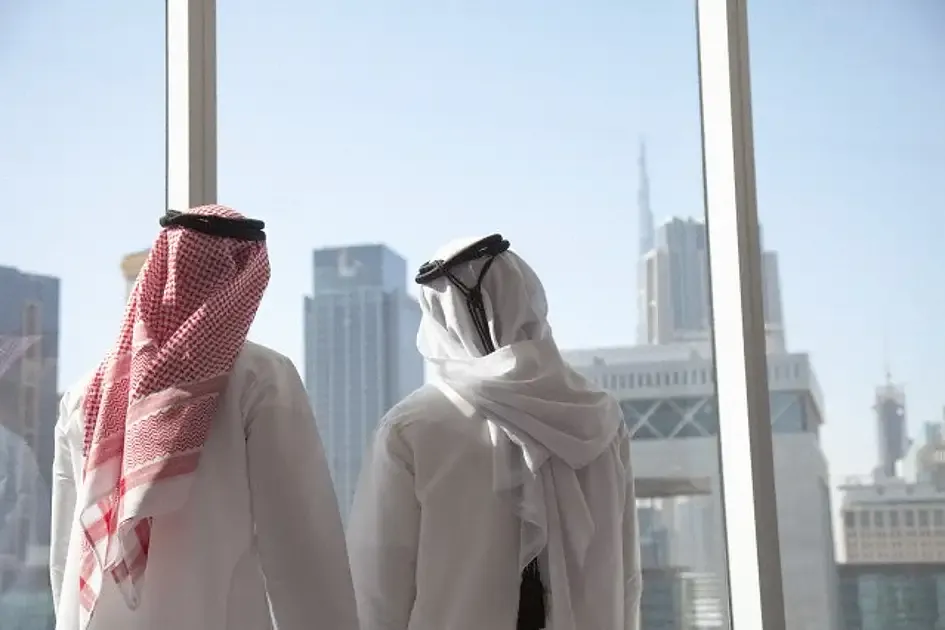
The United Arab Emirates has implemented a significant policy change, mandating that the Emirati national dress may only be worn by UAE citizens in social media content and advertisements. This directive stems from a growing public sentiment against the perceived misuse and misrepresentation of traditional attire by non-Emirati individuals in commercial promotions, particularly within the real estate sector.
Dr. Jamal Mohammed Al Kaabi, Secretary-General of the National Media Authority, elucidated the policy's rationale, stating, “Many of you were upset by the presence of advertisements presented by some wearing Emirati attire, especially in real estate advertising, and using broken, non-Emirati dialects. We have banned this now. The Emirati dress is exclusively for Emiratis in advertising.” This clarification aims to address public concerns and ensure cultural integrity.
Preserving Cultural Identity in Digital Media
Rationale Behind the Restriction
The core principle driving this new regulation is the safeguarding of the Emirati national identity and heritage. Officials emphasize that while respect for all nationalities and their attire is paramount, allowing non-Emiratis to don the national dress in advertisements can lead to a dilution or distortion of its cultural significance. The policy seeks to prevent situations where the attire is used in ways that do not align with local values or traditions, thereby offending the sensibilities of the Emirati populace.
Dr. Al Kaabi provided specific examples of scenarios that prompted the policy. He cited instances where individuals dressed in traditional Emirati attire engaged in behaviors within commercial settings—such as a car showroom—that were perceived as ostentatious or disrespectful, particularly concerning the portrayal of wealth. Such portrayals, when enacted by non-citizens, can undermine the authentic representation of Emirati culture and heritage.
Historical Context and Public Concerns
The origins of this policy can be traced back to discussions within the Federal National Council (FNC) in April of the previous year. Members of the FNC voiced concerns about the pervasive influence of rapid cultural changes and the proliferation of diverse media platforms on the presentation of Emirati identity. They noted an increasing trend of superficial or incorrect representation of local cultural symbols and dialects in marketing and entertainment.
During an FNC session, member Naema Al Sharhan articulated these anxieties, stating, “We now observe signs of distortion in presenting these symbols in a superficial or incorrect manner, or as commercial products that do not represent the authenticity of our identity and do not reflect its historical and social depth.” This highlighted the urgent need for regulatory measures to ensure the accurate and respectful depiction of national heritage.
Ensuring Authentic Representation
In response to these widespread concerns, Abdulla bin Mohammed bin Butti Al Hamed, Chairman of the National Media Office, acknowledged previous instances where the UAE's identity may have been misrepresented. He confirmed that actions had been taken against entities responsible for such violations. A subsequent policy was introduced to mandate that any discourse about projects in the Emirati dialect must be delivered by Emirati nationals wearing the national attire.
This measure is intended to ensure that the authentic voice and cultural representation are maintained. Al Hamed stressed that the regulation is not designed to stifle the use of the dialect or the dress but rather to establish a framework that uphns their cultural stature. He characterized the act of wearing the national dress as “a declaration of pride, a message of pride in heritage, and a living embodiment of a nation that celebrates its authenticity while looking confidently towards the future.”
Future Implications and Compliance
The newly enacted regulations clearly stipulate that individuals featured in advertisements while wearing the Emirati national dress must be verified Emirati citizens. This ensures that the public is presented with an accurate portrayal of authentic Emirati customs, traditions, and values. The National Media Authority will monitor compliance to uphold the integrity of this policy.
The policy underscores the UAE's commitment to cultural preservation in an era of rapid globalization and digital media expansion. By establishing clear guidelines for the use of national symbols in public media, the government aims to foster a deeper appreciation for its heritage among both citizens and international audiences, while preventing cultural appropriation in commercial contexts.
Impact Analysis
Cultural Safeguarding in the Digital Age
This policy represents a significant step by the UAE to proactively manage its cultural narrative within the rapidly evolving landscape of digital media and advertising. By restricting the use of national attire to citizens in promotional content, the government is establishing a precedent for how cultural symbols are represented in commercial spheres. This move is likely to resonate with other nations seeking to protect their unique heritage from commodification or misrepresentation.
The directive implicitly acknowledges the power of visual media in shaping perceptions and underscores the importance of authenticity. For non-Emirati residents and businesses operating within the UAE, it signifies a need to be more mindful of cultural sensitivities and to engage in respectful representation. The long-term impact may include a more nuanced understanding of Emirati culture internationally and a strengthened sense of national identity domestically, while potentially setting a benchmark for similar cultural preservation initiatives in other regions.