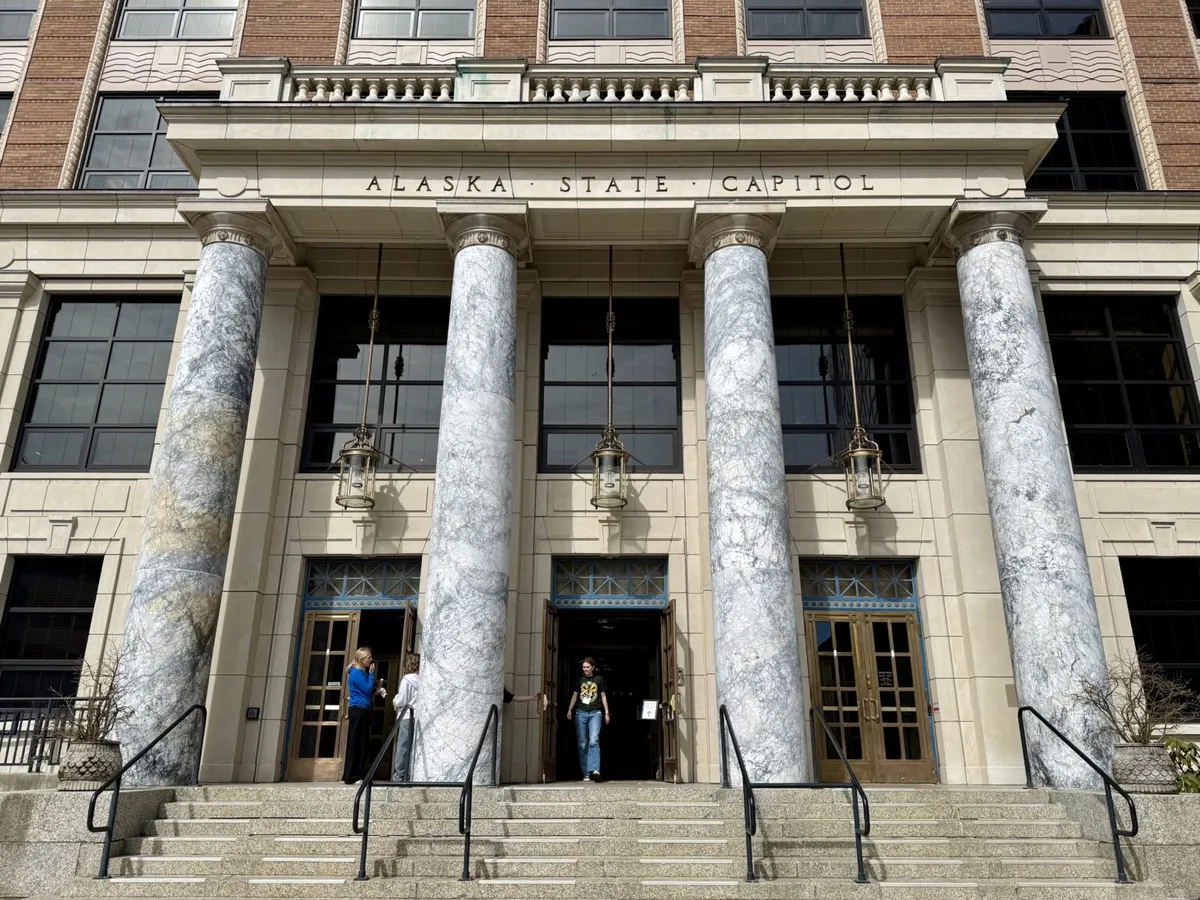
In a significant legislative move, the Alaska House of Representatives has voted to partially repeal a mandatory sick leave law that was approved by voters less than two years ago. The amendment, attached to a bill concerning paid leave for new parents, seeks to eliminate the sick leave mandate for seasonal workers and employees of businesses with nine or fewer staff members. This change, if enacted, would take immediate effect, altering the labor landscape for a considerable segment of the state's workforce.
The vote, which concluded with a 22-18 tally, saw unanimous support from Republican representatives, including members of the majority caucus, and Speaker of the House Bryce Edgmon. Conversely, all Democratic representatives and the remaining independents opposed the amendment. This division underscores the contentious nature of the rollback, particularly given the public's direct endorsement of the original sick leave measure.
Legislative Maneuvering and Impact on Existing Law
The amendment was incorporated into House Bill 193, a piece of legislation aimed at establishing a mandatory paid leave program for new parents, slated to begin in 2030. While HB 193 advanced from the House with broad bipartisan support, the inclusion of the sick leave rollback amendment has introduced significant debate and uncertainty regarding its final passage through the Senate before the legislative session concludes. The amendment mirrors earlier unsuccessful attempts to weaken the sick leave law, reflecting persistent advocacy from business groups seeking regulatory relief.
Representatives supporting the amendment, such as Rep. Will Stapp, argued that the existing sick leave law has created operational challenges for key Alaskan industries, including fishing, tourism, and construction. He highlighted instances where seasonal employees utilize accumulated sick leave just before their departure, leading to critical staffing shortages at peak operational times. The amendment's proponents contend that these exemptions are crucial for alleviating workforce crises and supporting small businesses that have expressed difficulties in complying with the mandate.
Debate Over Exemptions and Constitutional Limits
The scope of the proposed exemptions was a central point of contention. Representative Julie Coulombe, who introduced the amendment, initially aimed for broader exemptions for businesses with fewer than 50 employees. However, legal counsel advised that such a wide-reaching exemption might violate the state constitution's prohibition against the legislature repealing a voter-approved ballot measure within its first two years. Consequently, the amendment was refined to target seasonal workers and very small businesses, a compromise that still faces opposition.
Opponents of the amendment, led by figures like Rep. Zack Fields, raised concerns about the implications for public health and the potential erosion of voter-approved protections. Fields specifically questioned the necessity of exempting employees of large multinational corporations within the tourism and fishing sectors, pointing to historical instances where these industries have been vectors for infectious diseases like influenza and norovirus. He argued that maintaining sick leave protections is vital for preventing the spread of illness in a tourism-dependent economy, safeguarding both workers and the public.
Economic Considerations and Voter Intent
The debate also touched upon the economic pressures faced by businesses and the intent behind the original ballot measure. Proponents of the rollback emphasized the financial burden and operational disruptions attributed to the sick leave mandate, particularly for smaller enterprises. They argue that the exemptions are a necessary adjustment to foster a more flexible and sustainable business environment in Alaska.
Conversely, advocates for maintaining the sick leave law stressed the importance of upholding the will of the voters who approved the measure. They argue that the law provides essential worker protections and contributes to public health by allowing employees to take time off when ill without jeopardizing their employment or income. The disagreement highlights a fundamental tension between business interests seeking operational flexibility and labor advocates prioritizing worker welfare and public health mandates.
Future of Paid Leave in Alaska
The fate of House Bill 193, now intertwined with the controversial sick leave amendment, remains uncertain as it moves to the Senate. Lawmakers on both sides acknowledge the ongoing need for compromise and legislative solutions that balance the needs of families, businesses, and the state's economy. The potential impact on both new parent paid leave and existing sick leave policies will be closely watched as the legislative session draws to a close.