The Canadian tourism sector experienced a significant shift in 2025, largely influenced by geopolitical tensions that redirected Canadian travel patterns. A new study by Desjardins Group reveals that a substantial portion of Canadians opted to explore their own country rather than travel south of the border, a trend attributed to a heightened sense of political friction between Canada and the United States. This redirection of spending significantly benefited domestic operators and reshaped the landscape of Canadian tourism.
Kari Norman, a senior economist at Desjardins, highlighted the defining characteristic of the 2025 tourism year: "What made the 2025 story particularly encouraging for domestic operators was that much of the spending diverted from cross-border travel stayed in Canada." This sentiment was echoed by a growing number of Canadians who felt less welcome or safe in the United States, leading to a pronounced decrease in cross-border trips. The implications of this shift extend beyond individual travel choices, impacting the broader Canadian economy and employment landscape.
Shifting Travel Preferences and Economic Impact
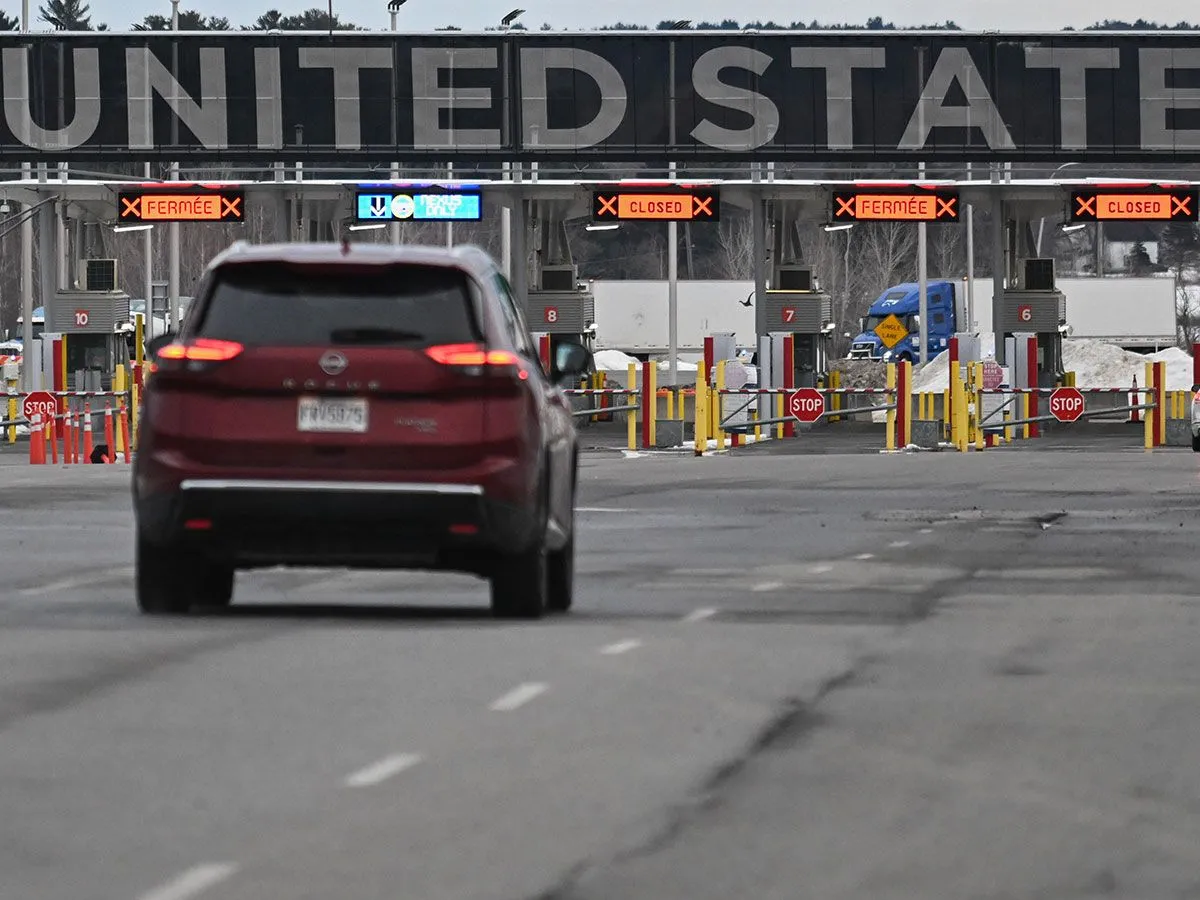
In 2025, Canadian travel to the United States saw a dramatic decline, with an estimated 25% reduction, equating to approximately 10 million fewer trips. This downturn is directly linked to the prevailing political climate and trade policies that strained relations between the two nations. Conversely, domestic tourism experienced a robust increase. During the first three quarters of 2025, spending on tourism within Canada rose by 10%. This growth was fueled by an increase in both day trips and overnight stays, with Canadians making nearly 6 million more day excursions and 2.6 million more overnight visits within their own country. Furthermore, travelers spent more per trip and stayed for longer durations compared to previous years, indicating a deeper engagement with domestic travel offerings.
The upswing in domestic tourism had a tangible positive effect on the Canadian economy. Norman noted that tourism-related jobs increased by 3% throughout 2025, a growth rate more than double the 1.4% increase observed across the economy as a whole. This surge in employment has helped the sector recover and even surpass pre-pandemic levels, with total tourism employment now exceeding 30,000 jobs compared to 2019 figures, representing nearly 3% of Canada's total employment. While a portion of the travel spending that shifted away from the U.S. remained within Canada, some Canadians also explored international destinations beyond traditional North American hubs, with a noticeable increase in trips to Europe and Asia.
International Visitors and Future Outlook
The trend of Canadians staying home also coincided with an increase in foreign visitors choosing Canada as their destination. In the initial two months of 2026, trips to Canada by U.S. residents saw a nearly 3% rise, mirroring the growth in overseas visitors. This suggests a potential rebalancing in international tourism flows, with Canada becoming a more attractive destination for both domestic and international travelers.
Looking ahead, the outlook for Canadian tourism appears positive, though subject to external factors. Geopolitical developments, such as the ongoing conflict in Iran and potential disruptions to oil prices, could influence travel decisions. However, Desjardins suggests that higher fuel costs might inadvertently encourage more domestic road trips, especially with the suspension of the federal fuel excise tax until Labour Day. The upcoming negotiations for the Canada-U.S.-Mexico Agreement also present a variable that could either intensify or alleviate political tensions, thereby affecting cross-border travel sentiments. Norman emphasized that trade developments could significantly impact consumer sentiment leading into the peak summer travel season.
Factors Influencing Canadian Travel Decisions
A recent Leger poll commissioned by Desjardins provided further insight into Canadian travel sentiments. The survey indicated that 70% of Canadians are less inclined to travel to the U.S., with the primary reasons cited relating to political tensions. Canadians expressed concerns about feeling unsafe or unwelcome in the United States. In parallel, 67% of respondents indicated an intention to travel within Canada during the spring, a notable increase compared to previous years. This strong domestic preference is expected to continue influencing travel choices throughout the year.
The broader economic implications of these shifts are being closely monitored. While the initial impact of global events like the Iran war has been assessed as moderate, prolonged disruptions could lead to more significant economic consequences. Economists at Toronto Dominion Bank have projected potential drops in global GDP if oil prices remain elevated and tanker traffic is consistently interrupted. This economic backdrop, coupled with evolving political dynamics, will continue to shape the trajectory of the Canadian tourism industry.
Impact Analysis
The significant shift in Canadian travel patterns, driven by political tensions and a heightened appreciation for domestic destinations, presents a transformative moment for the nation's tourism sector. The economic benefits, including increased employment and spending within Canada, are substantial and indicate a potential long-term reorientation of travel habits. As geopolitical factors continue to evolve, the resilience and adaptability of the Canadian tourism industry will be key to sustaining this growth. The diversification of international visitors and the potential influence of economic factors like fuel costs add further layers of complexity and opportunity to the sector's future development.