Cuba's capital, Havana, once a vibrant hub for tourists, is now a stark reflection of a deepening economic crisis. Residents describe a life heavily impacted by relentless power blackouts, with electricity often absent for as long as 16 hours a day. This pervasive energy scarcity has crippled industries, notably the tourism sector, which was a crucial source of income for many families. Betty, who relocated to Havana and started a tour guide business due to crippling power outages in her previous hometown, notes the industry is "all but dead." Streets that once teemed with visitors are now largely devoid of foreign tourists, leaving only Cuban nationals struggling to sustain their livelihoods amidst widespread economic hardship.
The current energy crisis is exacerbated by a prolonged US blockade on oil shipments, a tactic intensified by the Trump administration. This pressure campaign has significantly curtailed Cuba's access to essential energy resources. Historically, Venezuela and Mexico served as major oil suppliers, but these flows have been disrupted. While a temporary respite was provided by a single Russian oil tanker in late March, those supplies have since been depleted. The arrival of another Russian tanker is uncertain, leaving the nation on the brink of further energy deprivation. This situation is not merely an inconvenience but a fundamental threat to daily life, impacting everything from basic services to economic survival.
The Broadening Impact of the Energy Blockade
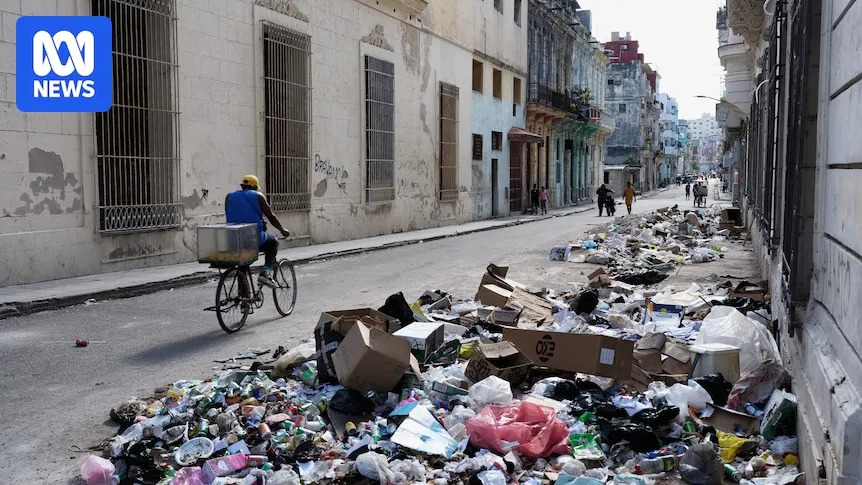
The consequences of the protracted US sanctions and the oil blockade extend far beyond intermittent electricity. Cuba's healthcare system is teetering on the brink of collapse. Reports indicate that hospitals are unable to perform necessary surgeries due to a lack of power and essential supplies, leaving an estimated 100,000 patients, including thousands of children, awaiting postponed procedures. Basic sanitation is also deteriorating rapidly, with sewage infrastructure failing and leading to an increase in waterborne diseases. The spread of mosquito-borne illnesses like chikungunya and hepatitis A is becoming rampant, transforming Havana into what one resident described as "one of the dirtiest cities in Latin America." The inability to collect garbage due to fuel shortages further compounds the public health crisis, with residents resorting to burning waste.
Transportation and daily logistics have also been severely impacted. With fuel supplies drastically reduced, private vehicles are a rarity, and public transportation systems have largely ceased to function. Tuktuks have emerged as a makeshift solution, but the most critical shortage is water. Some neighborhoods have been without a reliable water supply for months, forcing residents to undertake arduous journeys to collect water for essential needs like cooking and hygiene. This daily struggle underscores the profound impact of the energy crisis on the most fundamental aspects of life. As summer intensifies, the lack of refrigeration for food exacerbates spoilage and adds to the general stress and discomfort experienced by the population, who face increasingly long periods without electricity, disrupting sleep and daily routines.
Socio-Political Ramifications and Public Sentiment
The escalating crisis has led to isolated protests, a rare occurrence in a country with stringent controls on public dissent. These small demonstrations signal a growing desperation among the populace. Experts observe that the implicit social contract, where the government provides basic living standards in exchange for curtailed freedoms, has been broken. The regime's willingness to prioritize its hold on power over the welfare of its citizens is increasingly apparent. Limited public opinion data, primarily from informal online surveys, suggests a strong desire for political change, with a significant portion of respondents supporting US intervention and the continuation of the US embargo, indicating a complex and divided sentiment regarding external influence.
Cubans are caught in a geopolitical struggle, described by analysts as being "cannon fodder" between the US and the Cuban government. While some express anger towards both entities, there is a palpable fear that deters widespread public uprising. Many believe that external powers, including the US, may not genuinely prioritize Cuban democracy or human rights, suggesting their actions are driven by self-interest. The lack of internal reforms coupled with severe economic coercion from the United States places the Cuban people at the epicenter of a long-standing conflict, enduring hardship that calls into question the sustainability of the current political and economic trajectory. The future remains uncertain, with Cubans bracing for continued instability and hardship.