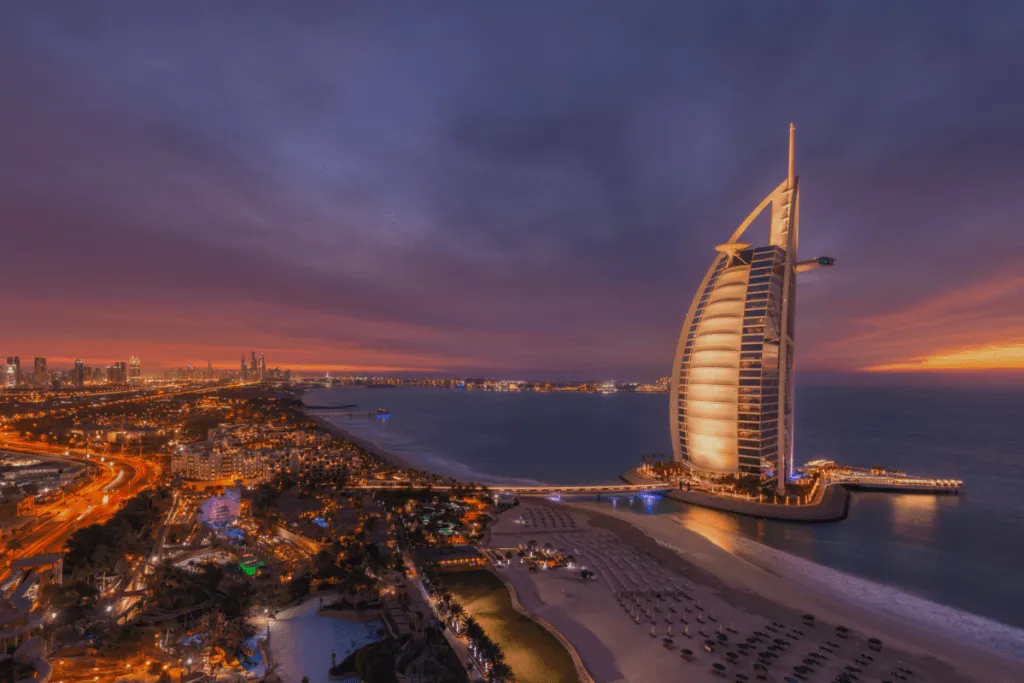
Dubai has historically cultivated an image as a bastion of stability and a secure destination within the Middle East, a politically neutral hub open for both business and leisure travel. This perception has been a cornerstone of its appeal to international visitors and investors alike. However, recent geopolitical developments have placed this long-standing reputation under scrutiny. As regional conflicts escalate and neighboring areas experience heightened tensions, the implications for Dubai's status as a safe haven are becoming increasingly apparent, potentially impacting tourism and corporate travel dynamics.
The city's strategic location, while often an advantage, now places it in closer proximity to unfolding geopolitical events. Reports of injuries and significant incidents in the wider region, coupled with airspace disruptions, have begun to exert immediate pressure on travel. The ripple effects are being felt acutely by travel platforms and operators, indicating a growing concern among potential visitors. This situation challenges Dubai's established narrative and necessitates a re-evaluation of its resilience in the face of external geopolitical volatilities.
Regional Tensions Impact on Tourism and Travel
Widely shared reports of injuries and fires in the city may depress visits in the short-term. The current geopolitical climate, characterized by escalating retaliatory strikes across the Gulf, has inadvertently placed Dubai and its neighboring emirate, Abu Dhabi, at the epicenter of regional conflict. This proximity to heightened tensions poses a significant risk, potentially deterring leisure travelers from visiting the broader Middle East. Furthermore, the uncertainty surrounding the situation could lead to a pause in MICE (Meetings, Incentives, Conferences, and Exhibitions) and corporate travel, as organizations reassess the safety and viability of inbound travel to the region.
The immediate consequences of airspace closures and widespread flight disruptions are being felt across the travel industry. Ross Veitch, CEO and co-founder of Wego, a UAE-based travel metasearch site, noted a significant surge in rebookings, cancellations, and customer inquiries. This surge underscores the sensitivity of the travel market to geopolitical instability and highlights the interconnectedness of regional security with global tourism flows. The Iranian regime's actions, involving missiles and drones, following specific international incidents, have directly impacted the perceived safety of air travel routes within and around the Persian Gulf, affecting flight schedules and passenger confidence.
Challenges to Air Travel and Connectivity
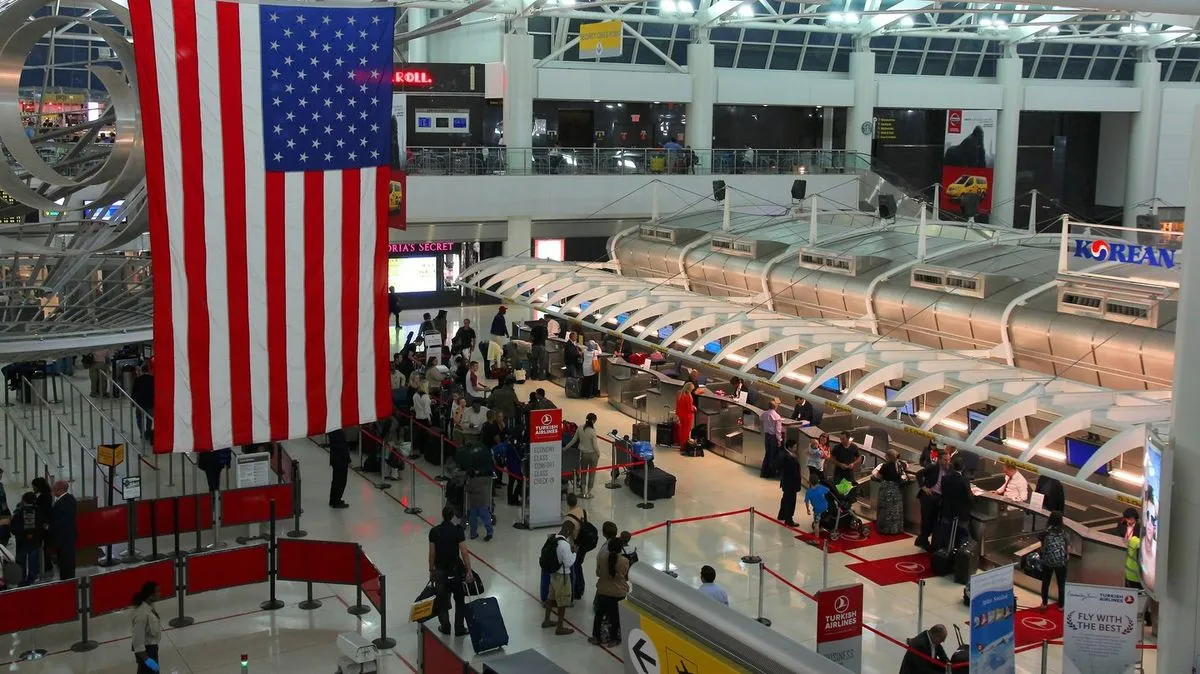
The disruption to air travel infrastructure is a primary concern. Airspace closures directly impact flight schedules, leading to cancellations, delays, and significant rebookings. This not only causes inconvenience for travelers but also translates into substantial operational and financial challenges for airlines and travel companies. The metasearch platform Wego has observed a direct correlation between these disruptions and an increase in customer service demands, reflecting a heightened level of anxiety and a need for immediate travel adjustments among passengers.
The ongoing developments necessitate a constant monitoring of flight status and alternative routing options. Airlines and travel agencies are tasked with managing complex rebooking processes and providing clear, timely communication to affected passengers. The long-term implications for air connectivity depend on the duration and severity of these disruptions and the broader geopolitical resolution, impacting Dubai's role as a major international aviation hub.
Economic Repercussions for the Travel Sector
The tourism and MICE sectors are particularly vulnerable to shifts in perceived safety and stability. Dubai's economy has significantly benefited from its reputation as a secure destination, attracting a diverse range of international visitors and hosting numerous global events. Any sustained period of geopolitical unease could lead to a considerable decline in tourist arrivals and a postponement of business events, impacting hotel occupancy rates, event venue utilization, and associated service industries.
The economic fallout extends to ancillary services, including hospitality, retail, and transportation. A decline in visitor numbers would directly affect revenues across these sectors, potentially leading to reduced employment opportunities and slower economic growth. The government and tourism authorities may need to implement proactive strategies to mitigate these effects, focusing on reinforcing safety assurances and potentially exploring new market segments to counterbalance any downturn in traditional source markets.
Impact Analysis
The current geopolitical situation poses a critical test for Dubai's long-established narrative as a safe and stable travel destination. While the city possesses significant resilience and robust infrastructure, sustained regional instability could have profound implications for its tourism and business travel sectors. The immediate economic impact is evident in flight disruptions and increased inquiries for cancellations and rebookings. However, the longer-term consequences depend heavily on the de-escalation of regional tensions and the effective communication of safety measures to the international community. The ability of Dubai to navigate these challenges will be crucial in maintaining its status as a premier global destination.