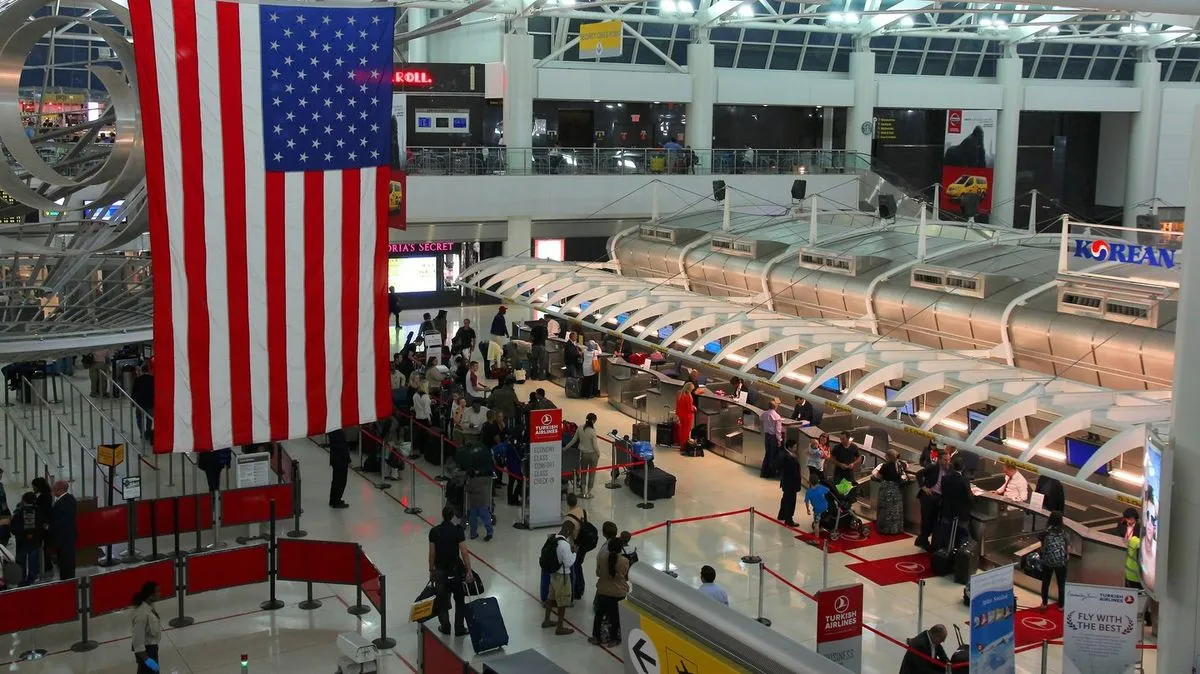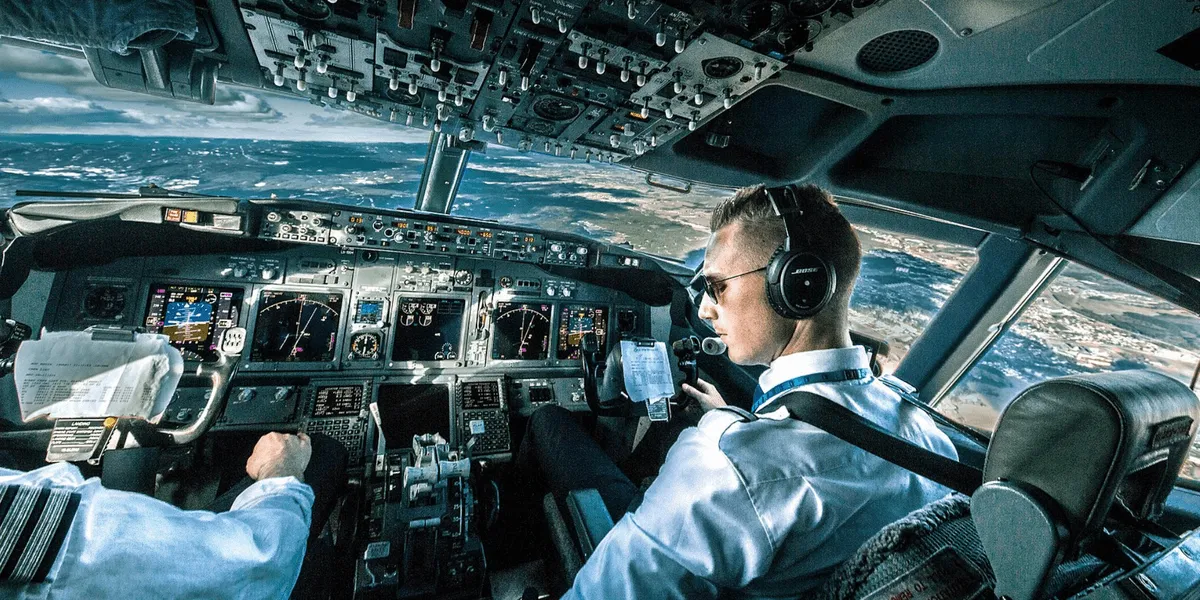
The global travel and tourism sector, a cornerstone of the world economy valued at an estimated $11.7 trillion, is facing unprecedented disruption due to escalating geopolitical tensions. Recent events have plunged the industry into what is being described as an "aviation quagmire," significantly impacting flight operations, passenger travel, and airline revenue streams. This complex situation highlights the interconnectedness of global stability and the fragility of international commerce, particularly in the aviation sector.
The ripple effects of conflicts, even those geographically distant, are proving to be far-reaching. Airlines and travelers alike are grappling with increased costs, canceled flights, and the logistical challenges of navigating altered flight paths. The strategic importance of air travel, combined with its vulnerability to regional instability, makes it a critical indicator of broader economic and political health. The current "quagmire" underscores the need for robust contingency planning and international cooperation to mitigate the impact of such crises.
Navigating Airspace Amidst Regional Conflict
Recent escalations in the Middle East have created a volatile operational environment for airlines. Drone attacks and military actions have not only affected the immediate region but have also necessitated significant rerouting of international flights. As a consequence, airlines are being forced to adopt longer, more costly flight paths, often bypassing previously routine airspace. This strategic shift is a direct response to heightened security concerns and the unpredictable nature of aerial threats, impacting everything from fuel consumption to scheduling reliability.
The direct impact on passenger travel is substantial. Reports indicate a sharp increase in airfares as demand for available routes surges amidst limited options. Travelers are facing extended journey times and significantly higher costs, with some being stranded or forced to seek alternative, often more expensive, travel arrangements. This surge in fares and logistical complexity creates a significant barrier for leisure and business travelers, potentially dampening travel demand and impacting the recovery of the tourism economy.
The Economic Fallout for the Travel Industry
The financial implications for the $11.7 trillion global travel industry are profound. Elevated operational costs for airlines, stemming from extended flight paths and increased fuel consumption, are inevitably passed on to consumers through higher ticket prices. This price sensitivity can lead to a reduction in travel volume, affecting airlines, hotels, tour operators, and related services. The industry's recovery from previous global shocks, such as the pandemic, is now further challenged by these new geopolitical headwinds.
Furthermore, the perception of safety and stability is paramount in the travel industry. Geopolitical instability in key regions can deter travelers, leading to cancellations and a decrease in bookings. This uncertainty makes long-term planning difficult for businesses within the sector and can lead to significant revenue losses. The current situation serves as a stark reminder of how interconnected global economies are and how quickly disruptions can propagate across international markets.
Impact Analysis
The current "aviation quagmire" resulting from geopolitical tensions has far-reaching implications beyond immediate flight disruptions. It directly challenges the $11.7 trillion global travel industry's stability and growth prospects. The increased operational costs for airlines, coupled with the surge in airfares, could significantly curb leisure and business travel, impacting economies reliant on tourism. Moreover, the incident highlights the vulnerability of modern infrastructure to evolving threats, such as sophisticated drone technology, and underscores the critical need for enhanced global security measures and diplomatic solutions to ensure the resilience of international travel and commerce.