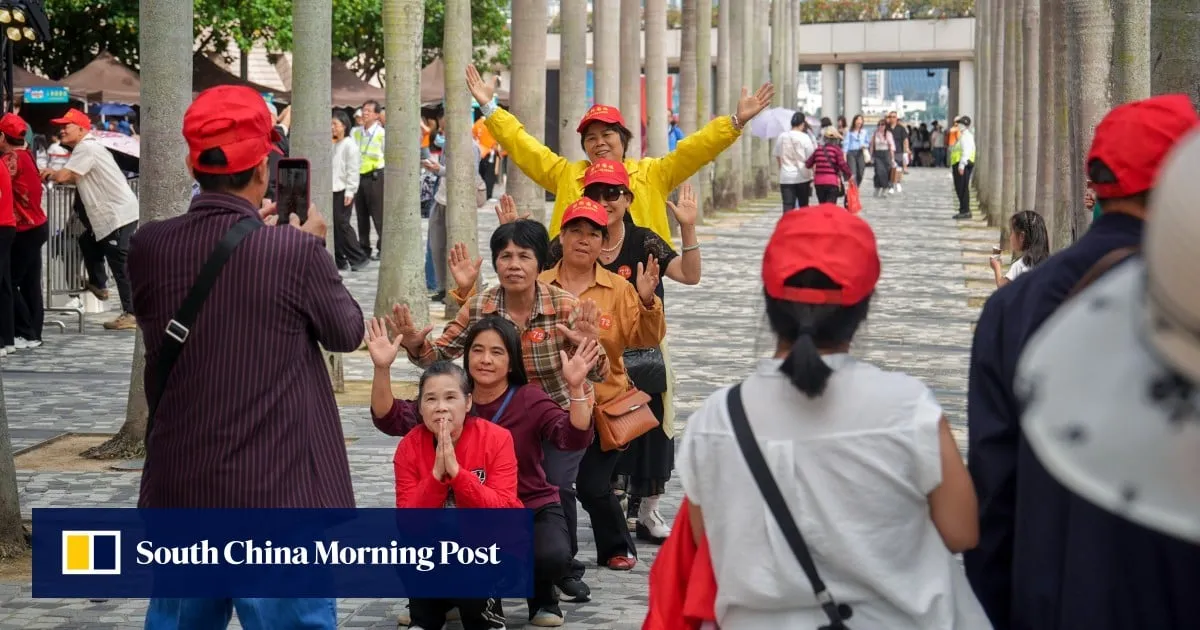
Hong Kong's tourism sector is poised for a significant uplift during the upcoming May Day "golden week" holiday, driven by a confluence of factors including the appreciating Chinese yuan and escalating geopolitical tensions between China and Japan. Industry leaders anticipate an influx of tourists who have redirected their travel plans from other East Asian destinations to Hong Kong. This shift is expected to translate into tangible economic benefits, with preliminary reports indicating a notable increase in hotel occupancy rates and average daily rates.
Alan Chan Chung-yee, a lawmaker and chief operating officer of Miramar Group, highlighted these trends during a recent radio interview. He projected an increase in visitors, particularly from mainland China, who were originally considering Japan for their holiday. The rising geopolitical friction, specifically between Beijing and Tokyo, is acting as a catalyst, compelling travelers to seek alternative destinations. This phenomenon underscores the delicate interplay between international relations and the global tourism market, with Hong Kong strategically positioned to capitalize on these shifts.
Hong Kong Tourism Gains Amidst Geopolitical Shifts
The projected surge in tourism is further supported by the strengthening of the Chinese renminbi. This economic advantage for mainland travelers potentially mitigates concerns over increased accommodation costs, making Hong Kong a more attractive and accessible option. Chan specifically pointed to price hikes in popular tourist areas. Hotel rates in Tsim Sha Tsui have reportedly risen by approximately 8 percent, while those in Causeway Bay have seen an increase of around 5 percent when compared to the previous year. This price adjustment, coupled with the favorable exchange rate, suggests a robust demand and a willingness among tourists to invest in their travel experiences in the city.
Beyond traditional attractions, Hong Kong's burgeoning "mega-event economy" is also playing a crucial role in drawing visitors. The city has successfully hosted a series of high-profile concerts and events, which are proving to be powerful magnets for regional and international travelers. These events not only contribute to direct tourism revenue but also enhance Hong Kong's image as a vibrant and dynamic global hub. The diversification of tourism drivers, from geopolitical realignments to cultural and entertainment offerings, paints a promising picture for the sector's recovery and growth.
Factors Influencing Travel Decisions
The geopolitical landscape has undeniably become a significant factor in shaping travel itineraries. Tensions between China and Japan escalated dramatically following statements by Japanese Prime Minister Sanae Takaichi regarding potential military deployments in response to a Taiwan Strait conflict. This geopolitical development led to Beijing issuing a travel advisory, strongly cautioning its citizens against visiting Japan. Consequently, many Chinese travelers have rerouted their holiday plans, with Hong Kong emerging as a preferred alternative due to its proximity, cultural familiarity, and established tourism infrastructure.
The appreciation of the yuan is another critical element. As the Chinese currency gains strength against other major currencies, it increases the purchasing power of Chinese tourists. This economic tailwind makes destinations with previously higher perceived costs, such as Hong Kong, more affordable. The combination of a potentially volatile geopolitical situation affecting one major destination and a favorable economic outlook for travelers from another provides a unique opportunity for Hong Kong to attract a larger share of the East Asian outbound tourism market during this crucial holiday period.
Industry Outlook and Hotel Performance
The optimistic outlook shared by industry representatives like Alan Chan suggests a strategic advantage for Hong Kong in the current travel climate. The rise in hotel prices, while seemingly counterintuitive, can be an indicator of strong demand and confidence in the market. Hoteliers are likely leveraging the increased influx of visitors to optimize revenue, reflecting a healthy demand-supply dynamic. The city's ability to host major events also adds a layer of appeal, offering more than just sightseeing opportunities and contributing to a richer, more diverse travel experience.
Miramar Group's COO emphasized that the increased hotel rates are occurring in parallel with the yuan's appreciation. This suggests that while prices are higher, the effective cost for mainland Chinese tourists may not be significantly more burdensome than in previous years. This scenario is ideal for the tourism sector, allowing for increased revenue generation without deterring a substantial portion of the target market. The ongoing success of Hong Kong's strategy to promote mega-events alongside traditional tourism offerings is proving effective in capturing traveler attention and expenditure.