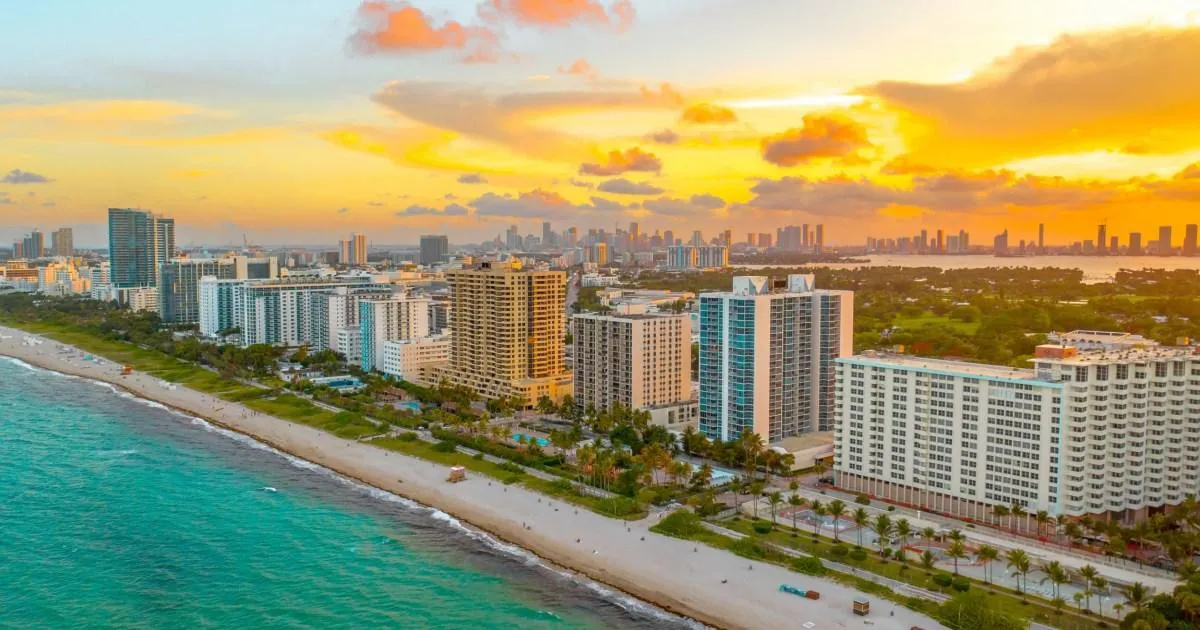
The allure of Miami, Florida, continues to draw visitors despite evolving geopolitical landscapes and economic shifts. A recent personal account highlights the city's enduring charm, from the tranquil beauty of a South Beach sunrise to the vibrant energy of its diverse neighborhoods. This exploration delves into Miami's resilience as a premier travel destination, examining the factors influencing its tourism sector and the intrinsic cultural elements that maintain its global appeal.
Miami's reputation as a leading lifestyle destination has faced recent headwinds. Projections from the World Travel & Tourism Council (WTTC) initially indicated a potential decline in international visitor spending for the US, a trend Miami, with its significant international draw, would inevitably feel. However, the city's unique character, deeply rooted in its immigrant history and eclectic cultural tapestry, appears to be a powerful counterforce against these broader economic and political undercurrents. This analysis seeks to understand how Miami is navigating these challenges while preserving its unique identity.
Miami's Tourism Landscape and Sociopolitical Influences
The United States was poised for a significant tourism boom, particularly with major events like the 250th anniversary of its independence and co-hosting the FIFA World Cup on the horizon. However, the WTTC's analysis projected a notable decrease in international traveler spending, singling out the US as the sole nation forecasted to experience such a decline. This forecast cast a shadow over the anticipated growth, with political shifts and subsequent events cited as contributing factors. The impact of these broader trends on a city like Miami, which thrives on international visitors, is a critical consideration.
Miami, however, is not a monolith reflecting national trends. The city has recently elected its first Democrat mayor in nearly three decades, signaling a distinct local political trajectory. Despite this, the state of Florida has seen a wave of legislation that has drawn criticism and calls for boycotts, particularly from the LGBTQ+ community. Laws such as the 'Don't Say Gay' bill and the 'Bathroom Ban' have created a contentious environment, impacting the perception of Florida as an inclusive destination. The recent removal of Miami Beach's iconic rainbow crosswalk, ostensibly for 'safety reasons,' further underscores the complex social and political dynamics at play.
Economic Pressures and Local Resilience
Beyond political and social considerations, Miami's economy is experiencing significant pressure, impacting both businesses and residents. While domestic and cruise travelers continue to inject revenue, local businesses are reportedly compelled to increase prices to maintain operational viability. This inflationary pressure is not only affecting the cost of services for visitors but also contributing to the displacement of long-term residents, a particularly poignant issue in a city historically built by migrants and refugees.
The narrative of resilience is strong within Miami's business community. Alfredo ‘AJ’ Prasaguet, manager of Palace, an established LGBTQ+ venue, noted a dip in European tourism but expressed confidence in the city's adaptability. The sentiment is echoed by local guides and business owners who emphasize the city's historical capacity to evolve and overcome challenges. This deep-seated optimism, fueled by the vibrant spirit of its diverse population, suggests that Miami's ability to reinvent itself remains a key factor in its sustained appeal.
Exploring Miami's Distinct Neighborhoods and Cultural Hubs
Miami Beach, an island city distinct from Miami proper, offers a compelling blend of Art Deco architecture, pristine beaches, and a thriving LGBTQ+ scene. Its relatively small population of under 84,000 contributes to a more intimate exploration experience, whether one is strolling along the waterfront or cycling the extensive boardwalk. The area's history is palpable, with guided tours illuminating the visionary urban planning of developers like Carl Fisher and the aesthetic choices that define its iconic buildings.
The vibrant nightlife is anchored by establishments like the Swizzle Rum Bar and the legendary drag bar Palace, promising memorable experiences. Ocean Drive remains a focal point for entertainment, offering a taste of Miami's flamboyant spirit. Beyond the beach resorts, the city's cultural heart beats strongly in its diverse neighborhoods, each offering a unique window into its rich heritage and contemporary life.
Little Havana: A Taste of Cuban Heritage
Little Havana stands as a testament to Miami's significant Cuban exile community and the broader influx of immigrants from Central and South America. Stepping into this district is often described as a journey back in time, a place brimming with authentic culture and history. The ritual of starting the day with a cafecito, a strong and sweet Cuban coffee, from a local coffee hatch, is a quintessential experience.
The district's charm extends to its street life, including the local tradition of peanut vendors and the lively atmosphere of Domino Park, where residents engage in passionate games. Culinary exploration is paramount, with establishments like Havana 1957 serving iconic Cuban sandwiches. The area's ambiance, a fusion of historical resonance and everyday life, makes it a compelling destination for visitors seeking an authentic cultural immersion.
Wynwood: A Canvas of Urban Art and Culinary Innovation
North of Downtown Miami lies Wynwood, a district transformed from an industrial zone into a global epicenter for street art. The Wynwood Walls, a collection of murals across six buildings, have become a major tourist attraction, showcasing the work of international artists. A prominent feature is the massive portrait of Lionel Messi by Argentine artist Maximiliano Bagnasco, commemorating his arrival at Inter Miami CF.
Wynwood is also a hub for culinary innovation. Bakan, a restaurant celebrated for its extensive selection of Mezcal, offers adventurous dining experiences, including traditional grasshoppers and unique charcoal cocktails, alongside expertly prepared tacos and churros. This artistic and gastronomic vibrancy underscores Wynwood's evolution into a dynamic and trendy destination, attracting a diverse range of visitors.
Culinary Delights and Unique Experiences
Miami's culinary scene extends beyond its cultural enclaves, offering a wide array of gastronomic experiences. The Andaz Miami Beach hotel, for instance, provides notable dishes such as tomahawk steak and 'tres leche' French toast. The city's hotel offerings and dining establishments consistently reflect a commitment to quality and innovation, catering to a discerning palate.
For those seeking unique adventures, Miami offers activities such as high-speed speedboat tours along Biscayne Bay, providing a thrilling perspective of the city's skyline and waterfront mansions. Furthermore, specialized tours led by experts like Charles Kropke of Dragonfly Expeditions offer deeper insights into the city's hidden histories and diverse neighborhoods, including areas like Coral Gables and Coconut Grove. These curated experiences provide a more nuanced understanding of Miami's rich cultural fabric and historical significance.
Impact Analysis
Miami's tourism sector is at a critical juncture, influenced by a confluence of economic pressures, political climates, and evolving global travel trends. While national projections may suggest a downturn, the city's inherent dynamism, cultural richness, and strong community resilience appear to be mitigating factors. The ongoing tension between state-level political policies and the city's more progressive identity, particularly regarding LGBTQ+ rights, presents a significant challenge to its inclusive image. However, the persistent appeal of its vibrant neighborhoods, artistic expressions, and culinary scene continues to attract visitors. The city's ability to adapt and showcase its authentic spirit in the face of these complexities will be crucial for its sustained success as a global travel destination.