Montreal, a city celebrated for its rich cultural tapestry and culinary excellence, harbors a secret beneath its bustling streets. Known officially as Réso, this expansive subterranean network, often referred to as the "Underground City," stands as the world's largest pedestrian pathway system. Spanning over 20 miles beneath the heart of Downtown Montreal, it seamlessly integrates a vibrant commercial landscape with essential urban infrastructure, offering a unique dimension to the city's appeal, particularly for those seeking refuge from the elements or a convenient means of navigation.
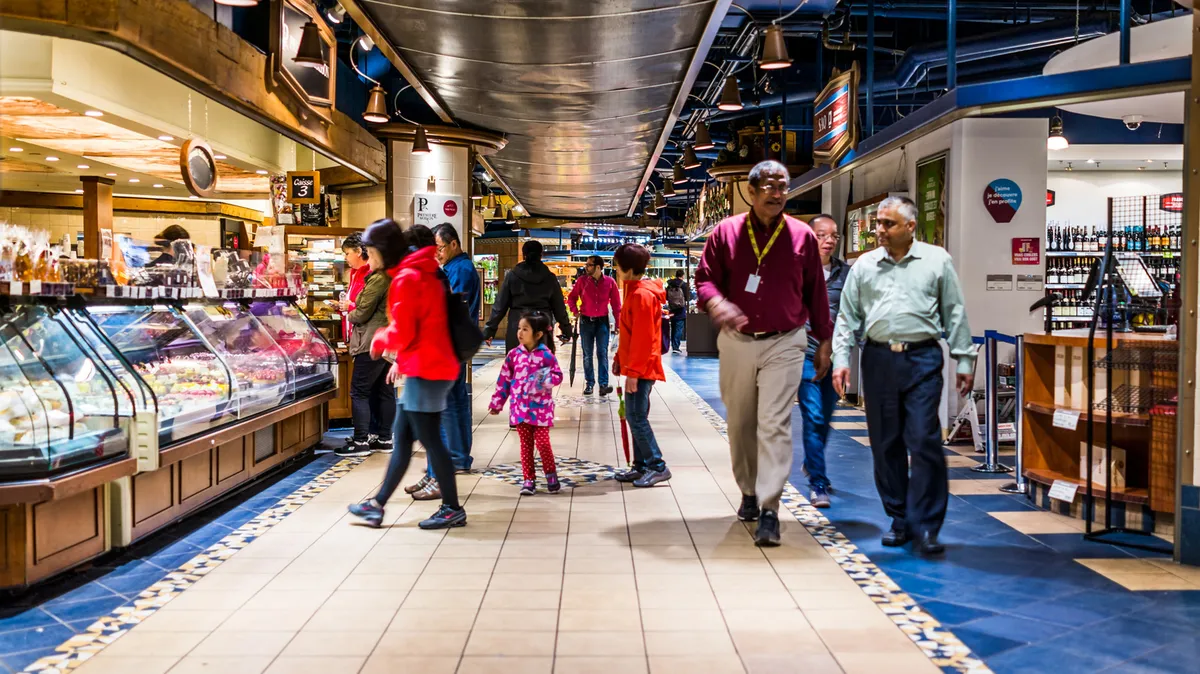
Far from being a mere series of dimly lit tunnels, Réso presents a bright, modern, and dynamic environment. Each day, an estimated half-million visitors navigate its interconnected malls, galleries showcasing public art, and diverse entertainment venues. This subterranean metropolis plays a crucial role in Montreal's daily life, serving as a vital artery for commerce and culture, and ensuring that the city's renowned gastronomic scene is accessible year-round. Its strategic design, originating in the 1960s to facilitate easier pedestrian movement between office buildings, has evolved into a sophisticated urban ecosystem.
Discovering the Depths: Shopping, Dining, and Artistic Expressions
The Underground City is intrinsically linked to several major shopping centers, each offering a distinct retail and culinary experience. Complexe Desjardins, for instance, boasts over 110 shops and eateries, anchored by a striking central fountain that serves as a focal point for its public event space. Place Ville Marie, a landmark skyscraper recognized by its distinctive cross shape, offers not only a retail environment but also significant architectural presence. At Place Montréal Trust, visitors can find popular brands alongside a celebrated interactive Christmas tree during the holiday season, transforming the space into a festive destination. Centre Eaton de Montréal is another significant hub, housing approximately 120 shops and notably, the first Time Out Market in Canada.
The Time Out Market within Centre Eaton is a culinary highlight, presenting a curated selection from 15 eateries helmed by acclaimed Montreal chefs. This vibrant food hall provides a diverse range of gastronomic options, from the Japanese flavors of Marusan, offering ramen and donburi, to Chez Simon Cantine Urbaine's take on American-inspired comfort food, including their signature Big Time Burger and classic poutine. Marché Artisans, an expansive 8,000-square-foot food market, complements this by offering both local Quebecois specialties and international fare, such as artisan cheeses, pizzas, poke bowls, and freshly baked goods. For those with a penchant for sweets, the Crêpes N' Shakes section at Marché Artisans provides a delightful array of sweet and savory crepes, milkshakes, smoothies, and homemade ice creams.
Integrated Urban Living: Hotels, Arts, and Connectivity
The seamless integration of accommodation and cultural attractions within or adjacent to the Underground City enhances its appeal for both residents and tourists. The historic Fairmont The Queen Elizabeth hotel, a direct connector to Marché Artisans, offers luxurious accommodations and a storied past, famously hosting John Lennon and Yoko Ono's "Bed-In for Peace." Its direct passageways link guests to Central Station and Place Ville Marie, facilitating easy travel. Hotel Bonaventure Montreal also provides direct access to the Bonaventure Metro station and the Underground City, featuring amenities such as a heated rooftop pool and renowned customer service.
Beyond retail and lodging, Réso serves as a conduit to Montreal's significant cultural institutions. Place des Arts, Canada's premier performing arts complex, is readily accessible, hosting a wide spectrum of performances including theatre, concerts, and opera. Within the Palais des congrès de Montréal, Oasis immersion offers a captivating multimedia experience utilizing extensive laser projections and immersive soundscapes. Furthermore, the Underground City is interwoven with Montreal's extensive public art network, featuring numerous installations that contribute to the city's vibrant artistic landscape. For travelers arriving from afar, Montréal-Pierre Elliott Trudeau International Airport offers convenient transit options, including car and train services, to reach the city center approximately 12 miles away. Exploring Quebec further, Mont-Joli presents an alternative destination known for its public art and cultural attractions.