New Hampshire is gearing up for its summer tourism season, anticipating approximately 4.8 million visitors. State officials, including Michelle Cruz, director of the Division of Travel and Tourism Development, and Governor Kelly Ayotte, have outlined a strategy to attract visitors despite economic headwinds such as high gas prices and inflation. The campaign emphasizes the state's natural beauty, unique experiences, and a popular statewide initiative: the New Hampshire Ice Cream Trail.
The strategy, dubbed "Live Free," aims to evoke an emotional connection with potential tourists, encouraging them to choose New Hampshire for their summer getaways. Alongside the natural attractions, the Ice Cream Trail, featuring 69 distinct locations, is a central element designed to draw both families and specific demographic groups, including empty nesters and baby boomers, who have historically contributed significantly to the state's tourism revenue. Billboards are strategically placed across the Northeast and even in Florida to capture broader attention.
New Hampshire's Summer Tourism Initiatives
The Ice Cream Trail: A Sweet Attraction
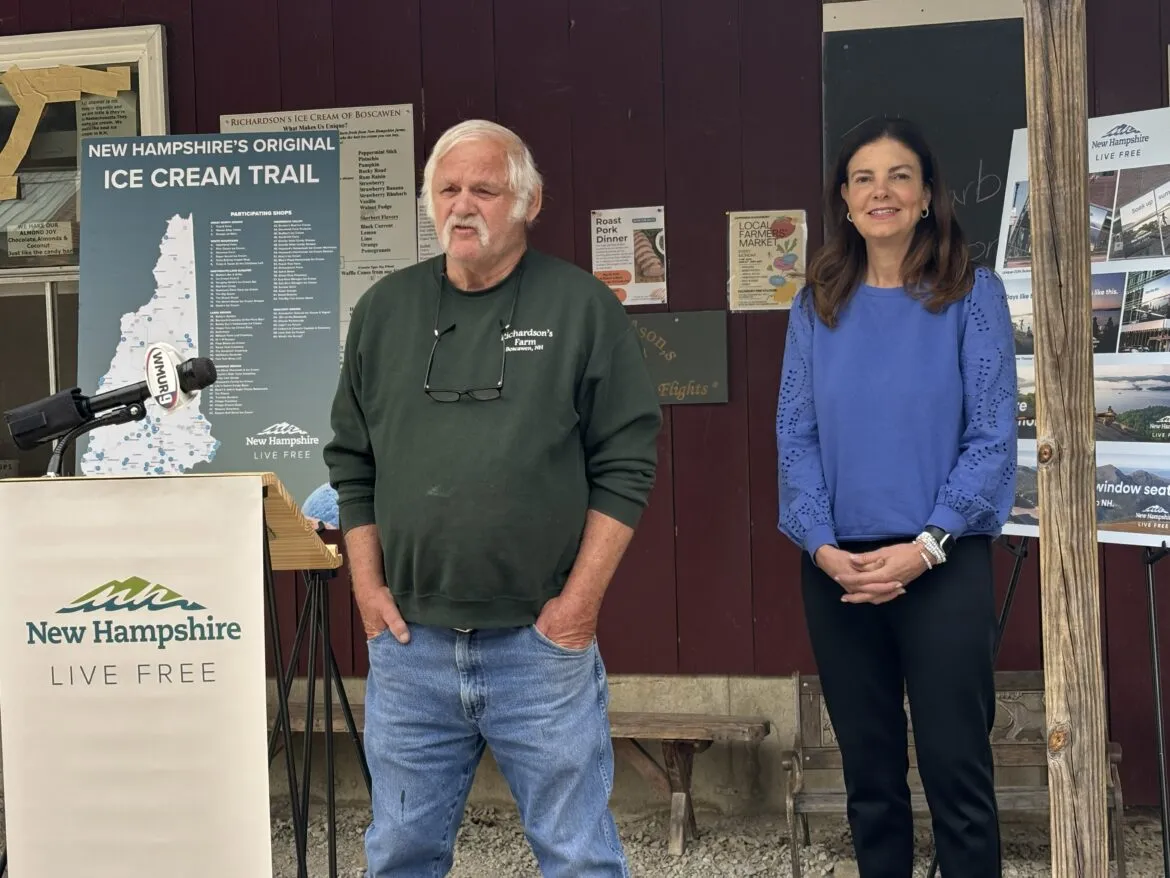
A cornerstone of New Hampshire's summer tourism push is the extensive Ice Cream Trail, a culinary journey encompassing 69 locations throughout the state. This initiative highlights local dairies and ice cream producers, encouraging visitors to explore different regions while sampling unique flavors. At the official kick-off event held at Richardson Farm in Boscawen, farmer Jim Richardson showcased the farm-to-table aspect of the trail, preparing homemade ice cream with locally sourced ingredients like rhubarb, cream from Contoocook Creamery, and berries from regional farms.
Richardson Farm, a participant for 14 years, has seen a significant increase in business and reach since joining the New Hampshire Ice Cream Trail, initially promoted by the NH Dairy Promotion. What began as a local attraction has expanded its appeal, drawing visitors from further afield, including those who have traveled to New Hampshire specifically to experience the trail. The farm offers ice cream in various formats, including tasting flights and traditional cones, catering to diverse preferences.
Target Demographics and Marketing Strategy
The state's tourism division is employing a targeted marketing approach to maximize visitor numbers. The "Live Free" campaign is designed to resonate emotionally, while specific demographic targets are being pursued. These include families, as well as the "empty nesters" and "baby boomers" segments, known for their consistent contribution to the travel industry. This focus is informed by data indicating these groups often seek out leisure travel experiences and have the disposable income to do so.
Marketing efforts include prominent billboard placements in major cities across the Northeast, such as Boston and Providence, and extending to Philadelphia, Connecticut, and even Florida. These placements aim to capture the attention of potential travelers planning their summer vacations. The strategy also leverages social media and broader media coverage to amplify the message and reach a wider audience, positioning New Hampshire as a desirable summer destination.
Economic Outlook and Visitor Projections
Despite national concerns about inflation, elevated gas prices, and a reported decline in Canadian visitors, New Hampshire officials remain optimistic about the upcoming summer season. Michelle Cruz noted that the national travel industry has shown resilience, with spending up by 3 percent compared to the previous year. This suggests a continued willingness among consumers to invest in travel experiences, even amidst economic uncertainties.
Governor Ayotte acknowledged the economic challenges but expressed confidence in the state's appeal. The state's focus on its inherent natural beauty, diverse experiences, and the unique draw of the Ice Cream Trail are seen as key factors in maintaining visitor numbers. The goal is to achieve a summer visitor count similar to the previous year, indicating a stable and robust tourism sector for New Hampshire.
Impact Analysis
Broader Implications for Regional Tourism
New Hampshire's proactive approach to stimulating its summer tourism season, centered around unique local experiences like the Ice Cream Trail, offers a model for other regions facing similar economic pressures. By focusing on distinct attractions and leveraging a multi-channel marketing strategy, the state aims to maintain visitor numbers and spending. This highlights the importance of regional tourism boards in adapting to evolving economic landscapes and consumer behaviors.
The success of such campaigns often hinges on their ability to create a strong sense of place and offer tangible, enjoyable experiences. The emphasis on local products and farm-to-table initiatives, as exemplified by Richardson Farm, not only supports local economies but also appeals to a growing consumer interest in authentic travel. The state's strategy suggests that even in challenging economic times, targeted and experience-driven tourism can remain a resilient sector.