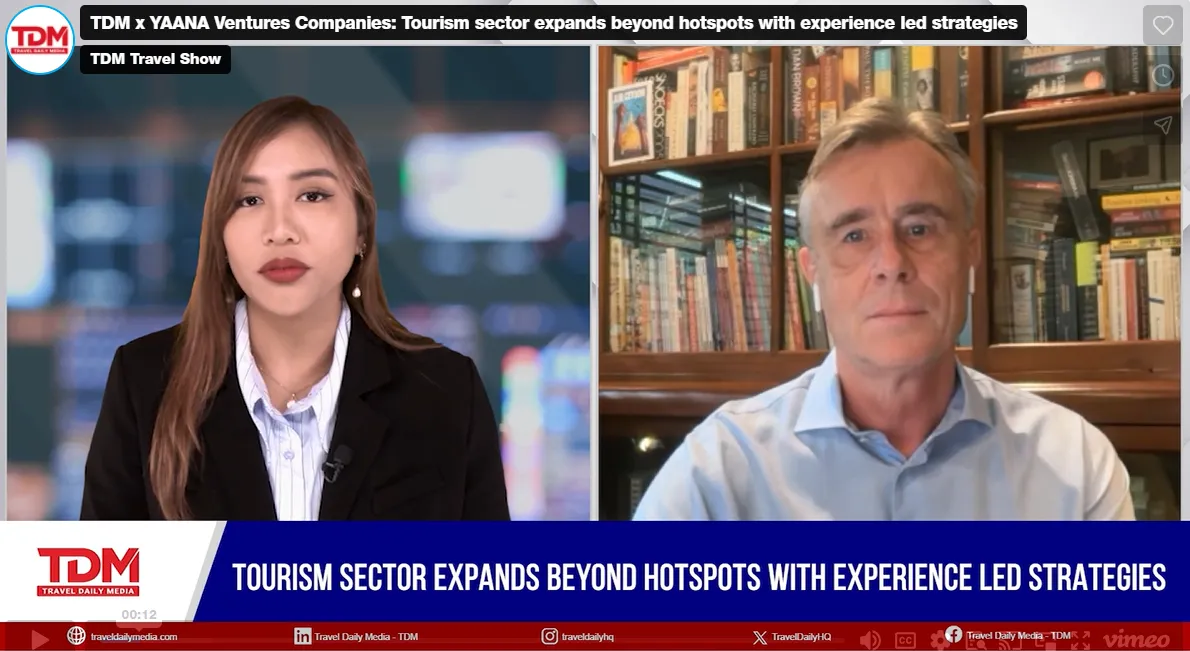
The future of hospitality hinges on creating profound emotional connections with guests, moving beyond mere visual appeal. Willem Niemeijer, CEO and Founder of YAANA Ventures, asserts that travellers increasingly prioritize authentic, memorable experiences over pristine aesthetics. This shift in guest expectations demands a strategic pivot from traditional hospitality models, which often focus on tangible aspects like decor and amenities, towards an experiential approach that cultivates lasting emotional resonance. The success of a travel business, according to Niemeijer, will be measured not by the Instagrammability of its offerings, but by the depth of feeling it evokes in its clientele.
Niemeijer highlights a significant disconnect in the current tourism landscape: while over 80% of travellers seek "unexpected, local discoveries," tourism activity remains heavily concentrated in well-trodden paths. This phenomenon is largely attributed to infrastructural advantages and established distribution channels in popular destinations. These areas benefit from a self-reinforcing cycle, attracting more flights, hotels, and marketing efforts, which in turn concentrates visitor flow and limits the growth potential for less-developed or secondary markets. This imbalance poses a considerable challenge for the industry, prompting a re-evaluation of how to broaden horizons and tap into the demand for authentic, off-the-beaten-path experiences.
Rethinking Destination Development and Marketing
Addressing Infrastructure and Distribution Constraints
The concentration of tourism in established hotspots is a direct consequence of infrastructure and distribution limitations in emerging destinations. Popular locales benefit from a "self-reinforcing loop," attracting substantial investment in air travel, accommodation, and marketing. This ecosystem makes it easier for travellers to discover and book trips to these places, creating a cycle of demand that is difficult for newer destinations to break into. YAANA Ventures' CEO, Willem Niemeijer, points out that this leads to a significant portion of travellers desiring unique local experiences being unable to access them due to a lack of viable options or awareness.
To counter this, Niemeijer advocates for a proactive approach from tour operators and destination developers. Instead of waiting for demand to materialize, businesses must become "trendsetters, not trend followers." This involves actively promoting and developing new destinations, focusing on their unique selling propositions. The key, he suggests, lies in shifting the marketing narrative from the destination's name to the experiences it offers. Highlighting aspects like nature, culture, and authentic local interactions can resonate more strongly with travellers seeking novel discoveries than simply promoting an unfamiliar place name.
The Power of Experience-Led Narratives
Niemeijer emphasizes the critical role of storytelling in unlocking new markets. He advises operators to "sell the experience narrative" rather than leading with the names of lesser-known destinations. Travellers are increasingly motivated by the promise of enriching experiences—be it adventure, cultural immersion, or personal growth—rather than just the geographical location. By focusing marketing efforts on the types of activities and feelings a destination can provide, operators can capture the interest of a broader audience, including those actively seeking unique discoveries. This approach helps to build anticipation and desirability for places that may not yet have widespread name recognition.
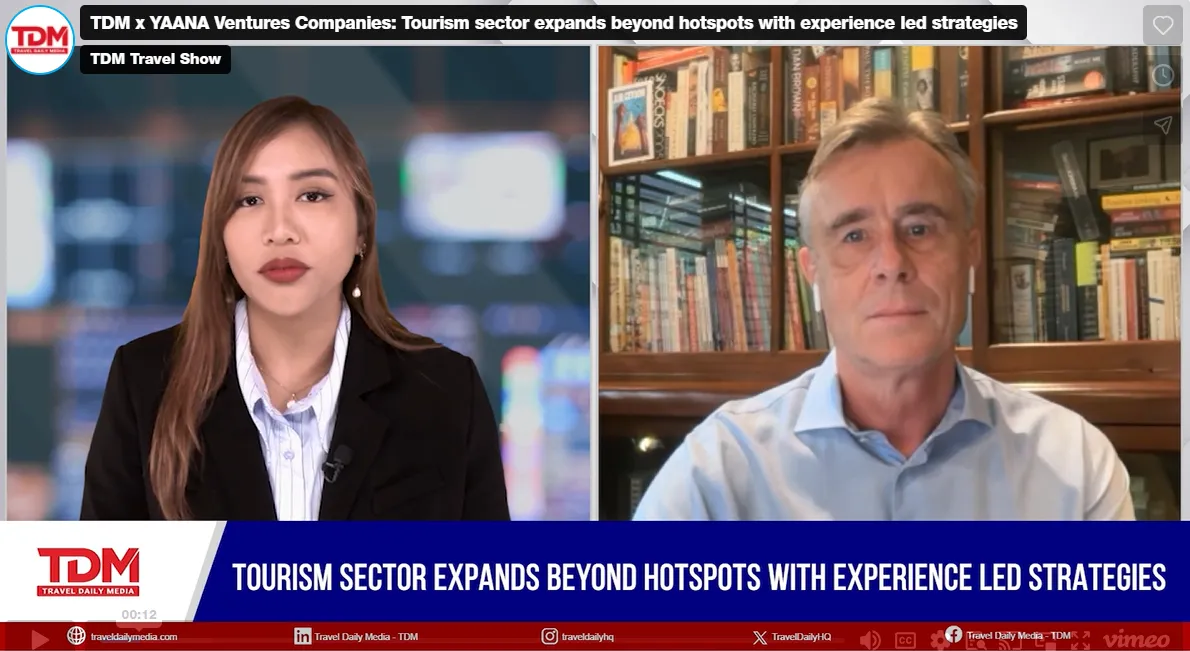 The strategy involves identifying and curating distinctive experiences that align with traveller desires for authenticity and discovery. This could range from participating in local artisan workshops to embarking on guided treks through unexplored natural landscapes. By crafting compelling narratives around these experiences, businesses can effectively bridge the gap between traveller aspirations and destination offerings, encouraging exploration beyond the conventional tourist circuits.
Phased Expansion and Controlled Growth
The expansion into new or less-developed destinations must be approached with careful planning to avoid overwhelming local infrastructure and services. Niemeijer cautions against a "volume-first" strategy, advising operators to "start by adding smaller" offerings. This measured approach allows for the gradual introduction of tourism, enabling communities and infrastructure to adapt and mature. It also provides an opportunity to establish high service standards from the outset, which can set positive benchmarks for future development and attract discerning travellers.
This controlled growth model also mitigates the risk of negative impacts on local environments and cultures, which can arise from rapid, unchecked tourism development. By prioritizing quality over quantity in the initial stages, operators can foster sustainable tourism practices. This ensures that the economic benefits of tourism are retained within the local communities and that the destination's unique character is preserved, encouraging repeat visits and long-term viability.
Investing in Local Talent and Infrastructure
Sustainable growth in emerging tourism markets is intrinsically linked to the development of local human capital and infrastructure. Investing in training local guides and hospitality staff is paramount. This not only enhances the quality of service provided to guests, creating more authentic and enriching experiences, but also ensures that the economic benefits of tourism are distributed within the host communities. Empowering the local workforce fosters a sense of ownership and pride, contributing to a more genuine and welcoming atmosphere for visitors.
Furthermore, Niemeijer highlights the importance of government support in accelerating destination development. Collaboration between the private sector and public authorities can lead to crucial improvements in infrastructure, such as transportation networks and digital connectivity, making destinations more accessible and attractive to investors and travellers alike. Well-supported infrastructure is a foundational element for developing any tourism destination, ensuring its capacity to handle visitor numbers responsibly and sustainably.
Impact Analysis
Willem Niemeijer's insights underscore a critical evolution in the travel industry, shifting the focus from destination visibility to the depth of the guest experience. The emphasis on emotional connection and authentic discovery challenges traditional marketing and development strategies. For operators, this necessitates a move towards experience-led marketing and a phased, sustainable approach to expansion. Destinations that successfully implement these strategies, fostering local talent and prioritizing genuine engagement, are poised to capture a growing segment of the market seeking more meaningful travel. Conversely, businesses and locations that remain reliant on conventional metrics and concentrated tourism models risk stagnation and diminished long-term appeal in an increasingly experience-driven global market. This strategic reorientation is not merely a trend but a fundamental reshaping of how value is perceived and delivered in the future of hospitality.