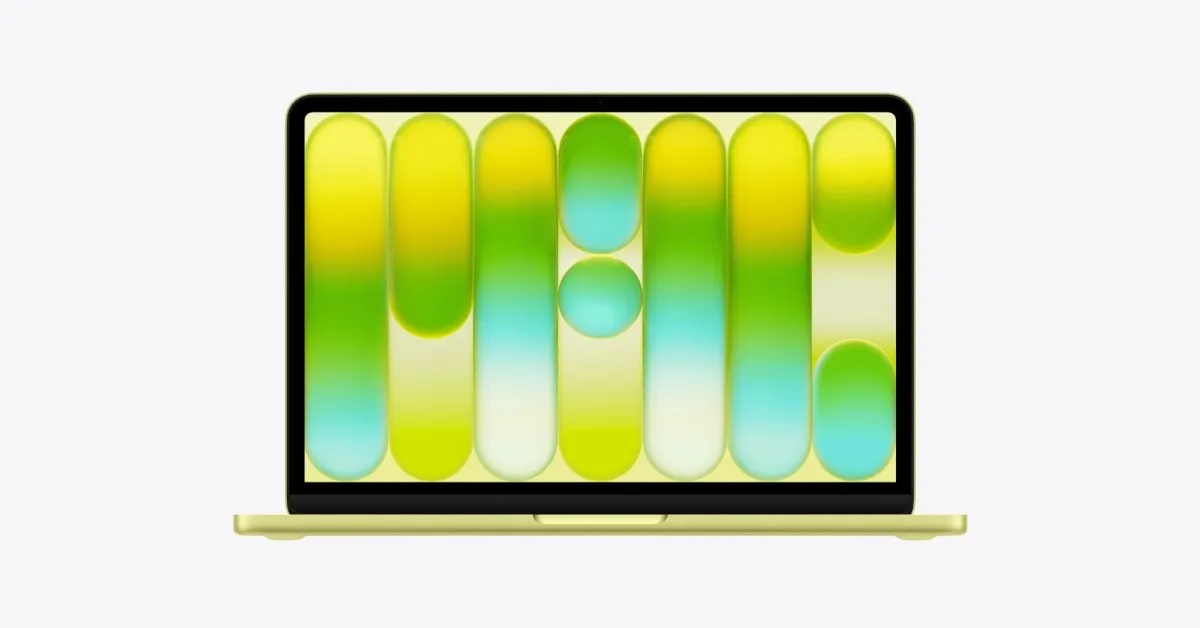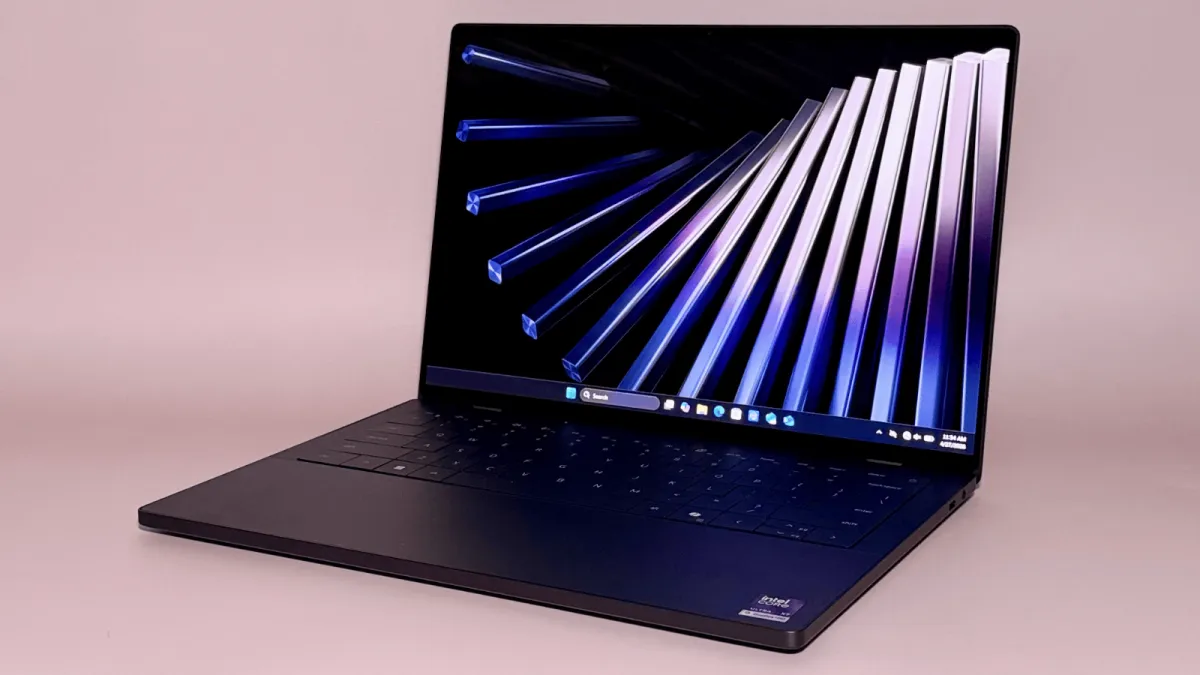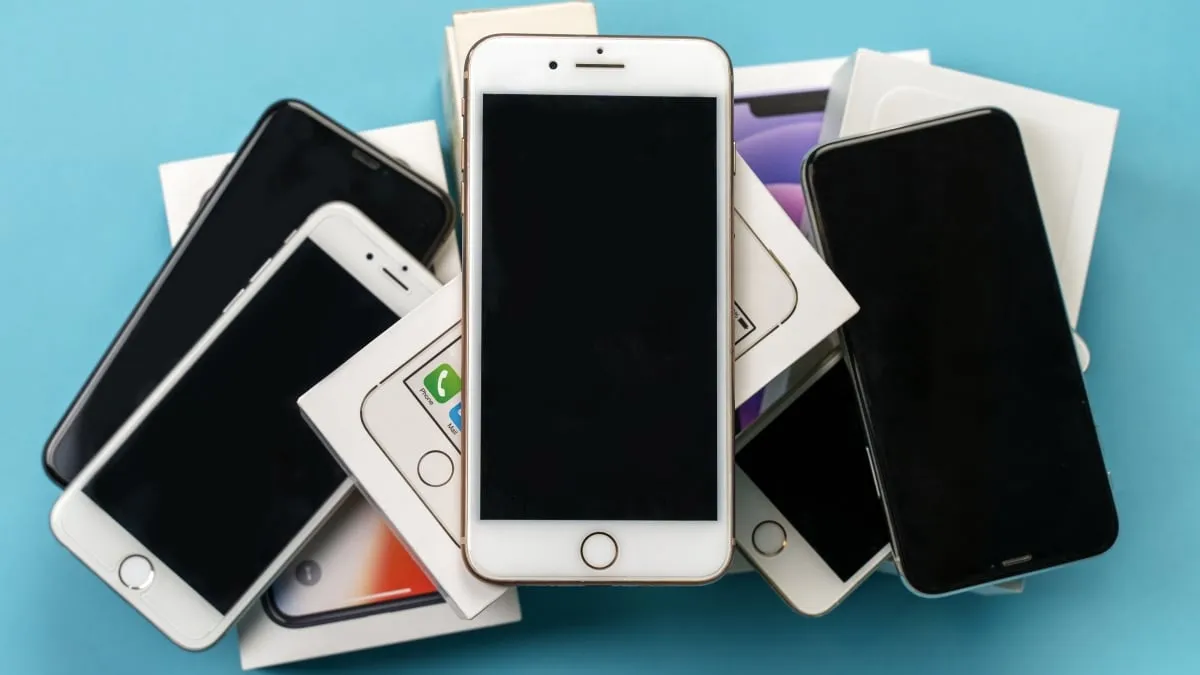
Apple has recently adjusted its trade-in estimates for a range of its devices, offering increased values for several popular models of iPhones, iPads, and Macs. This move comes as the company continuously updates its buy-back program, aiming to provide consumers with an incentive to upgrade to newer hardware. While the primary focus is often on the latest releases, Apple's trade-in program extends to devices from as far back as 2017, providing options for a broader user base looking to recoup some value from their older technology. The updated values are now reflected on Apple's official Trade-In website, offering a clearer picture of potential savings for those considering a device refresh.
While not all devices have seen an increase, and some have even experienced a decrease in their estimated trade-in worth, the upward adjustments for key product lines like the iPhone 16 series, recent iPad generations, and several MacBook models represent a notable shift. This strategy not only encourages upgrades within the Apple ecosystem but also allows the company to manage its supply chain and potentially refurbish or recycle older devices. Consumers should note that these figures are estimates, and the final value is contingent upon the device's physical condition, specific year, and configuration.
Updated Trade-In Estimates and Notable Changes
The latest revisions to Apple's trade-in program show a general trend of increased valuations for the newest iterations of iPhones and iPads. For instance, the iPhone 16 Pro Max has seen its trade-in value rise to $695, an increase from its previous estimate of $685. Similarly, the iPhone 16 Pro is now valued at $560, up from $550. The standard iPhone 16 model also benefits, with its trade-in value climbing to $460 from $435. This upward adjustment extends to the iPad lineup, with the iPad Pro now estimated at $690 (up from $670) and the iPad Air at $460 (up from $445).
Mac users will also find increased incentives for newer models. The MacBook Air, in particular, has received a significant boost, with its trade-in value increasing to $520 from $485. The MacBook Pro also sees a modest increase to $690 from $685. Desktop users aren't left out, as the Mac mini's trade-in value has been raised to $375 from $340. Apple Watches also feature in the updates, with the Apple Watch Ultra 2 now valued at $305 (up from $295) and the Apple Watch Series 9 at $130 (up from $120). However, it is important to note that not all devices have experienced an increase; for example, the Apple Watch Ultra saw a slight decrease from $215 to $205.
Considerations for Non-Apple Devices and Older Models
Apple's trade-in program is not exclusively for its own products; it also accepts select Android smartphones and other devices. However, the recent adjustments have brought mixed results for these external brands. While certain models like the OnePlus 12 maintain their value at $200, others have seen reductions. The Samsung Galaxy S23 Ultra, for example, has dropped to $200 from a previous estimate of $230, and the Google Pixel 8 Pro is now valued at $165, down from $170. This highlights Apple's prioritization of its own product ecosystem in its trade-in valuations.
Furthermore, older devices, while still accepted, offer significantly lower trade-in values. For instance, an iPhone 8 might fetch up to $35, and an Apple Watch SE up to $30. Even Apple's premium Mac Pro, a high-end workstation, has seen its trade-in value adjusted downward to $2,045 from $2,090. While this is still a substantial amount, it pales in comparison to the original purchase price of configurations that could exceed $50,000, underscoring the rapid depreciation of even high-end technology over time.
Understanding Trade-In Estimates vs. Guaranteed Values
It is crucial for consumers to understand that the values displayed on Apple's Trade-In website are estimates and not guaranteed offers. The final amount offered for a device can vary significantly based on its condition, including any physical damage like scratches or cracks. The specific year and configuration of the device also play a substantial role; a higher-specification model, such as one with a more powerful processor or greater storage, will generally command a higher trade-in value.
Apple's terms and conditions indicate that these values are subject to change and depend on a thorough assessment of the device. To ensure the best outcome, users are advised to research the prevailing market rates for their device from third-party resellers. If Apple's estimated value remains competitive after such research, accepting the offer can provide a convenient and immediate credit towards a new purchase. Conversely, if external offers significantly exceed Apple's valuation, it may be more financially prudent to sell the device independently, despite the added effort involved.