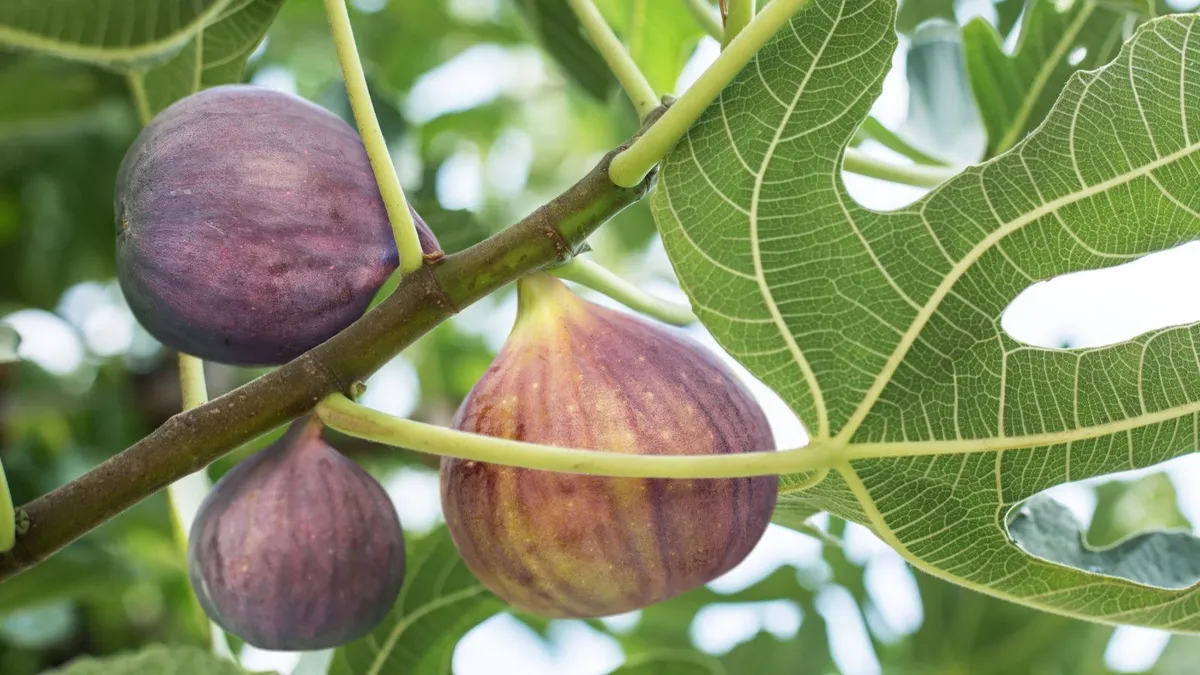
A common predicament for fig tree enthusiasts is observing lush foliage but a distinct lack of fruit. This often signals an imbalance in the plant's essential growing conditions. While figs are generally robust and relatively easy to cultivate in suitable climates, their fruit production hinges on a precise interplay of adequate sunlight, consistent warmth, appropriate watering, and strategic pruning. Fortunately, transforming a non-fruiting fig tree into a productive one is frequently achievable with targeted horticultural adjustments. As the fruiting season, primarily summer, approaches, it is an opportune moment to assess and enhance your tree's environment to ensure a bountiful harvest.
To guide growers toward a more fruitful outcome, horticultural experts have identified three primary strategies that significantly encourage fig trees to bear fruit. These methods encompass optimizing sunlight exposure, refining pruning techniques to avoid common pitfalls, and providing the correct nutritional support. These insights are crucial for anyone seeking to maximize their fig harvest, whether they are seasoned gardeners or new to cultivating these rewarding trees.
Optimizing Conditions for Fig Tree Fruit Production
Maximizing Sunlight and Heat Exposure
Understanding the native habitat of fig trees is paramount to replicating their ideal growing conditions. Originating from Mediterranean climates, fig trees thrive in environments characterized by ample heat and sunshine. Therefore, planting them in regions corresponding to USDA hardiness zones 7 through 11 offers the most favorable conditions for fruit development. In cooler climates, where summer warmth is less consistent, selecting fig varieties specifically bred for colder weather, such as the 'Chicago Hardy' fig, is advisable. These cultivars demonstrate resilience and can still yield a substantial harvest even in less consistently warm summers.
Annette Hird, an experienced gardener and fruit grower, emphasizes that fig trees require hot, relatively dry summer weather to initiate and mature their fruits. She states, "They need plenty of sunlight to produce their delicious fruits." She further advises that due to their Mediterranean origins, fig trees are sensitive to excessive moisture during the summer months. For fig trees grown in containers, strategic placement in the sunniest areas of a garden, or adjacent to heat-retaining structures like brick walls, can significantly enhance the microclimate, thereby improving the chances of fruit set.
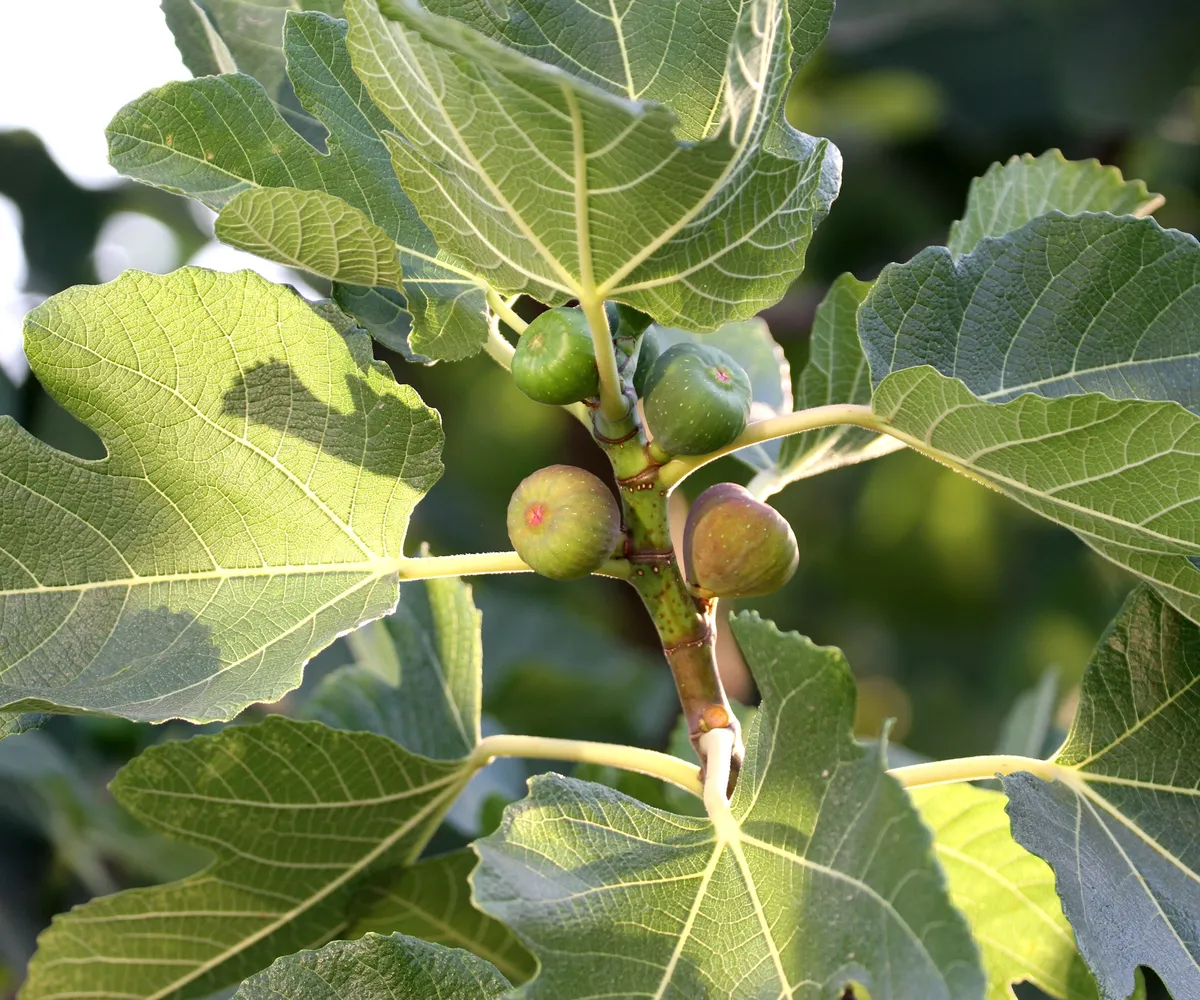
For those in less temperate regions, consider varieties like the 'Chicago Hardy' fig, known for its cold hardiness down to zone 5, which still manages to produce abundant fruit.
Strategic Pruning for Enhanced Fruiting
Pruning plays a critical role in stimulating fruit production in fig trees. An unpruned tree can develop a dense canopy, leading the plant to expend energy on foliage growth at the expense of fruit development. Evan Torchio, a tree expert and CEO of Tree Mender, highlights the importance of regular pruning: "Regular pruning encourages fruit production by directing the tree's energy. Trim off any excess branches that might be stealing resources from potential figs."
The removal of overcrowded, dead, damaged, or poorly positioned branches is essential. This practice not only improves air circulation and light penetration into the tree's canopy but also redirects the tree's vital resources towards developing figs. This methodical approach contributes to a healthier plant and a more consistent yield. Utilizing appropriate pruning tools, such as sharp bypass pruners for smaller stems and loppers or pruning saws for thicker branches, can greatly facilitate the process and ensure clean cuts that promote healing.
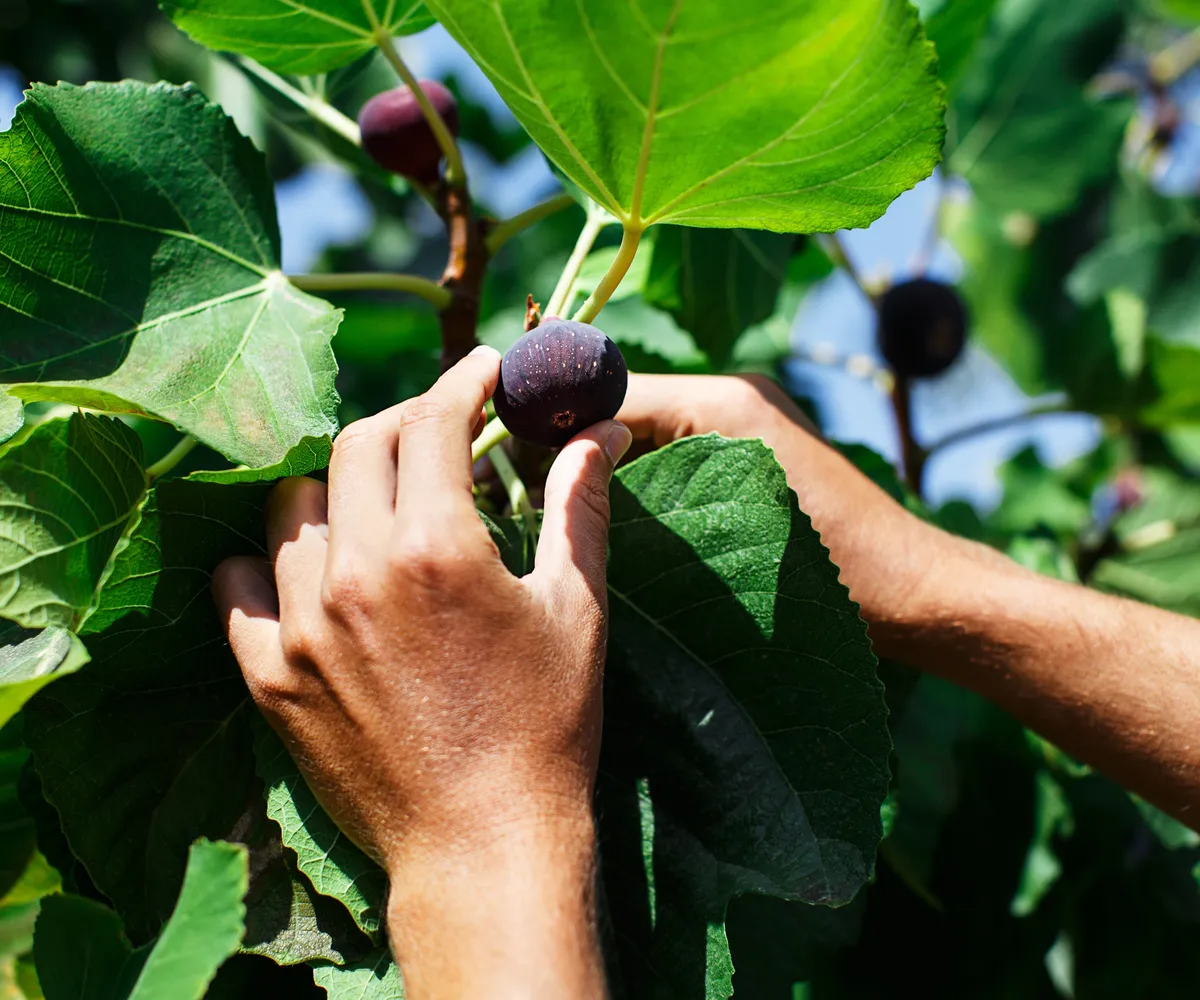
Effective pruning enhances light penetration and air circulation, crucial for fruit development and overall tree health.
Optimizing Nutrition with Potassium-Rich Fertilizers
Like all fruit-bearing plants, fig trees benefit immensely from a balanced nutritional regimen. The selection of fertilizer is crucial, with attention to the NPK (Nitrogen, Phosphorus, Potassium) ratio. For fig trees, a fertilizer that is higher in potassium and lower in nitrogen is generally recommended. A formulation with an NPK ratio such as 10-10-20 can be beneficial.
Annette Hird suggests that fertilizers specifically formulated for citrus trees can also be effective for figs, as they often provide the necessary balance of nutrients for fruit production. She reiterates, "Fertilizer will help but it needs to have a decent amount of potassium to encourage fruiting and not be too high in nitrogen." This targeted approach ensures that the tree's energy is channeled into producing fruit rather than excessive leafy growth.
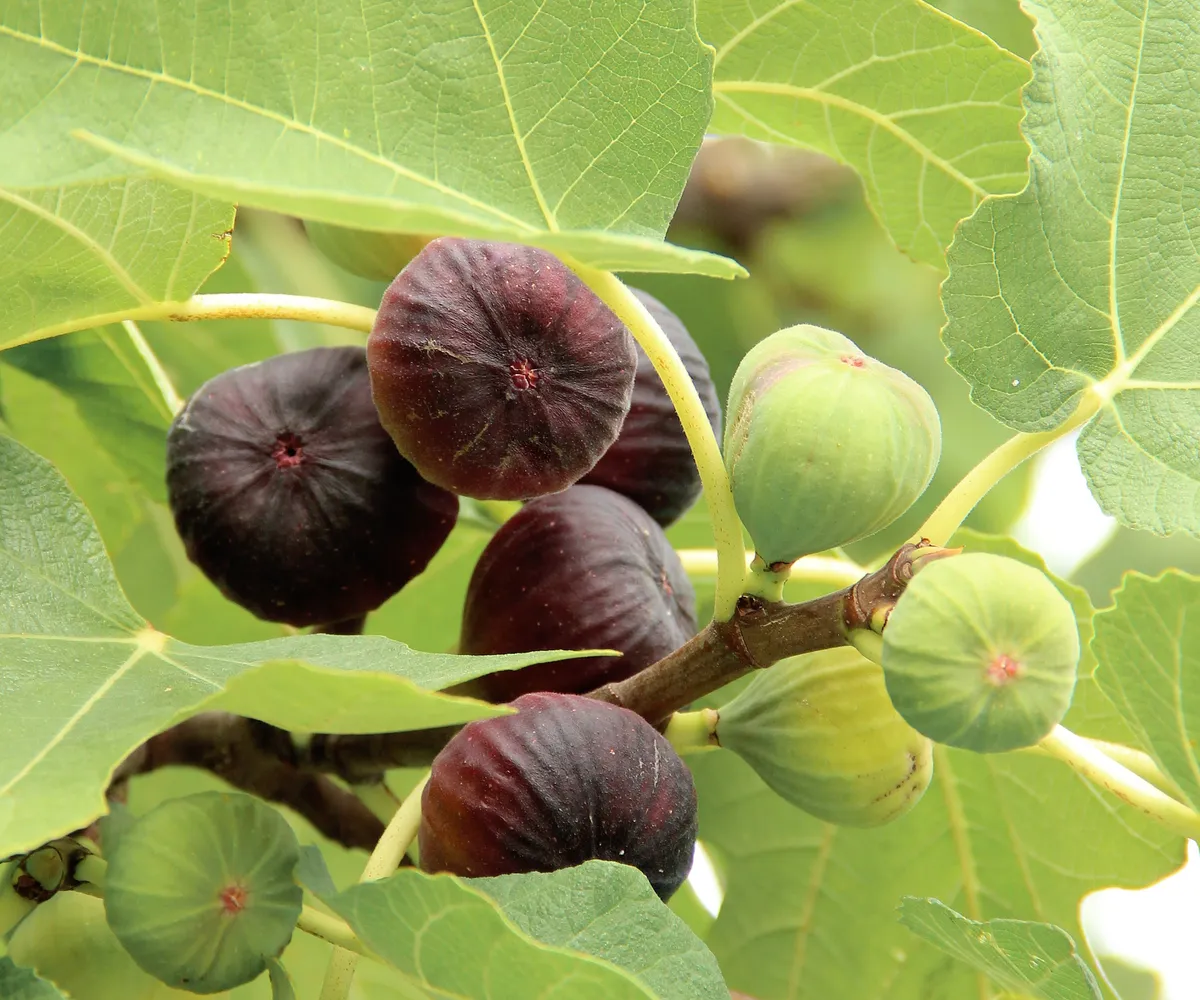
A balanced fertilizer, particularly one rich in potassium, supports robust fruit development.
Implementing these three key strategies—optimizing sunlight and heat, performing strategic pruning, and providing appropriate fertilization—can significantly improve a fig tree's ability to produce fruit. Patience and consistent care are vital. Furthermore, protecting fig trees during winter months with proper winterization techniques is essential to safeguard them against harsh temperatures that could impede their fruiting capacity in the subsequent growing season.