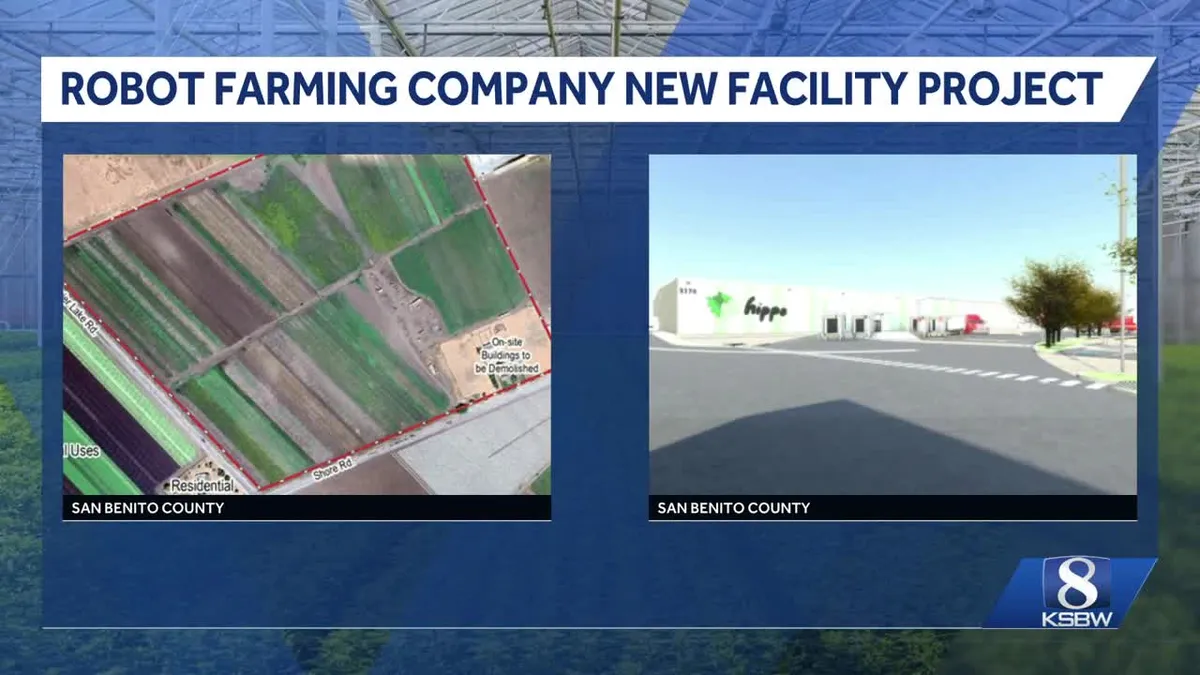
San Benito County has officially greenlit a significant project involving a robotic farming company, signaling a forward-thinking approach to agricultural technology and operational efficiency within the region. This approval marks a pivotal moment for local agriculture, aiming to integrate advanced automation into farming practices. The initiative is expected to introduce state-of-the-art robotic systems designed to streamline various agricultural tasks, from planting and harvesting to crop monitoring and soil management. The integration of such technologies is anticipated to address some of the long-standing challenges faced by the farming sector, including labor shortages and the need for increased precision in crop cultivation. By embracing this innovative direction, San Benito County is positioning itself as a leader in the adoption of agricultural technology.
The project's approval by the county signifies a commitment to fostering an environment where technological advancements can flourish, contributing to both economic growth and sustainable farming practices. The robotic farming company, set to deploy its advanced solutions in the county, will focus on enhancing productivity and reducing the environmental footprint of agricultural operations. This includes optimizing resource utilization, such as water and fertilizers, through data-driven insights provided by robotic sensors and AI-powered analytics. The long-term vision is to create a more resilient and efficient agricultural ecosystem that can adapt to changing market demands and environmental conditions. 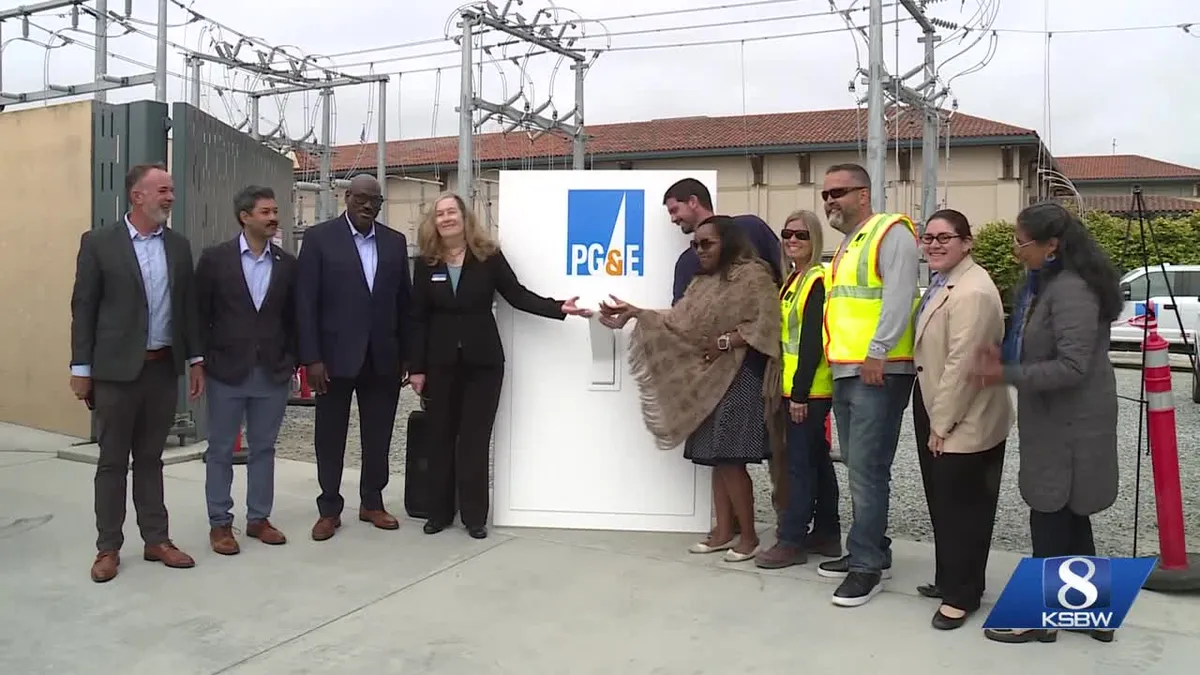 The collaboration between the county and the technology provider underscores a shared objective of modernizing farming for a competitive global market.
Advancing Agricultural Efficiency with Robotics
The introduction of robotic systems into the agricultural landscape of San Benito County is poised to revolutionize conventional farming methods. These advanced machines are engineered to perform labor-intensive and repetitive tasks with unparalleled accuracy and consistency, thereby increasing overall operational efficiency. Features such as autonomous navigation, precision spraying, and automated harvesting are central to the proposed deployment. For instance, robotic weeders can precisely target and remove unwanted vegetation, minimizing the need for broad-spectrum herbicides and reducing chemical exposure. Similarly, automated harvesters can identify and pick ripe produce at optimal times, ensuring higher quality yields and reducing post-harvest losses. 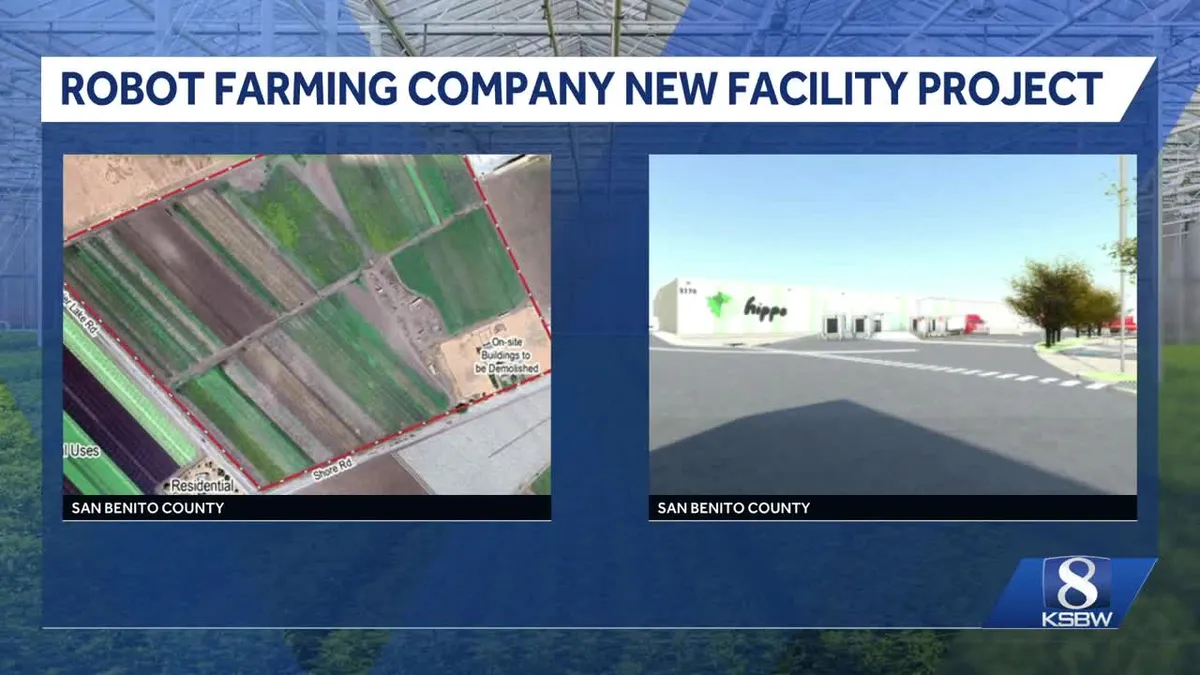 This level of automation not only boosts productivity but also allows human farm workers to transition to more skilled roles, focusing on supervision, data analysis, and technology management.
The project's scope includes not only the physical deployment of robots but also the establishment of supporting infrastructure and training programs. This comprehensive approach ensures that the integration is smooth and sustainable. Data collected by the robots on soil conditions, weather patterns, and crop health will be analyzed to provide actionable insights for farm managers. This data-driven decision-making process enables farmers to make more informed choices regarding irrigation, fertilization, and pest control, leading to optimized resource allocation and improved crop outcomes. The company's commitment to ongoing research and development means that the deployed systems will continuously evolve, incorporating the latest advancements in AI, machine learning, and robotics.  This iterative improvement cycle is crucial for maintaining a competitive edge in the rapidly evolving agricultural technology sector.
Operational Benefits and Sustainability Goals
The adoption of robotic farming offers substantial operational benefits, including enhanced precision and consistency in agricultural tasks. Robots can operate 24/7, unaffected by weather conditions or human fatigue, thereby maximizing field time and output. This continuous operation is particularly beneficial during critical periods like planting and harvesting. Furthermore, the precision offered by robotic systems significantly reduces the wastage of resources. For example, precision irrigation systems deliver water directly to the root zones of plants, conserving water, while targeted nutrient application ensures that crops receive exactly what they need, when they need it, reducing fertilizer runoff and its environmental impact.
Beyond efficiency, the project strongly emphasizes sustainability. By minimizing chemical usage through precision application and optimizing water consumption, robotic farming contributes to a healthier environment and more sustainable land use. The reduction in the need for heavy machinery for certain tasks also leads to less soil compaction, preserving soil health for future cultivation. Moreover, the integration of robotics can help mitigate the effects of climate change on agriculture by enabling more resilient farming systems that can adapt to unpredictable weather patterns. The long-term goal is to create farming models that are not only economically viable but also environmentally responsible, ensuring the longevity of agricultural lands for generations to come. 
Economic Impact and Future Prospects
The approval of this robotic farming project is expected to generate a positive economic impact on San Benito County. The establishment of new agricultural technology operations will likely create specialized jobs in areas such as robotics maintenance, data science, and software engineering. While some manual labor roles may be affected, the shift towards higher-skilled positions is part of a broader trend in agricultural modernization. The increased efficiency and productivity resulting from robotic integration are anticipated to enhance the profitability of local farms, making them more competitive in both domestic and international markets. This can lead to greater investment in the agricultural sector within the county.
Looking ahead, this project lays the groundwork for further technological integration in San Benito County's agricultural sector. It sets a precedent for adopting innovative solutions that address the evolving challenges of modern agriculture. The success of this initiative could pave the way for the expansion of robotic farming operations and attract other ag-tech companies to the region, further solidifying its position as a hub for agricultural innovation. The long-term vision involves a synergistic relationship between human expertise and advanced robotics, creating a robust and sustainable agricultural future.  The county's proactive stance in approving such projects demonstrates a clear commitment to embracing the future of farming.
Impact Analysis
The approval of the robotic farming project in San Benito County represents a significant step towards modernizing agricultural practices. It highlights a growing trend of technology adoption in response to challenges like labor scarcity and the demand for increased efficiency and sustainability. For the region, this initiative promises not only enhanced productivity and economic benefits but also a more environmentally conscious approach to farming. The successful implementation could serve as a blueprint for other agricultural communities looking to integrate advanced robotics and AI into their operations.  The long-term implications include greater food security, improved resource management, and a more resilient agricultural sector capable of meeting future demands.