The United States has signaled a significant shift in its trade relations with South Africa, proposing new tariffs on all products originating from the nation. This move stems from a Section 301 investigation conducted by the U.S. Trade Representative (USTR), which concluded that South Africa has failed to adequately implement and enforce a ban on goods produced through forced labor. The investigation, which encompassed 60 countries, identified South Africa among those falling short of international standards in this critical area.
Hearings on the proposed tariffs are slated for July 7, 2026. The USTR's statement emphasized the unacceptability of trading partners failing to address the importation of goods made with forced labor, underscoring a commitment to enforcing stringent labor standards in international trade. For South African exporters, particularly within the agriculture and manufacturing sectors, these potential tariffs represent a considerable new hurdle. This development compounds existing economic pressures, including the persistent challenge of record-high fuel prices impacting global supply chains and domestic costs.
Trade Relations and Economic Pressures
The proposed U.S. tariffs cast a shadow over South Africa's export-oriented industries. For businesses already grappling with rising operational costs due to elevated global oil prices, the imposition of new duties by a major trading partner could significantly erode competitiveness. This situation is exacerbated by South Africa's reliance on imported crude oil, leaving its economy vulnerable to geopolitical tensions and global energy market fluctuations. The recent escalations in the Middle East, involving strikes on Iran, have further driven up oil prices, creating a ripple effect that impacts South African consumers through higher transport and food costs.
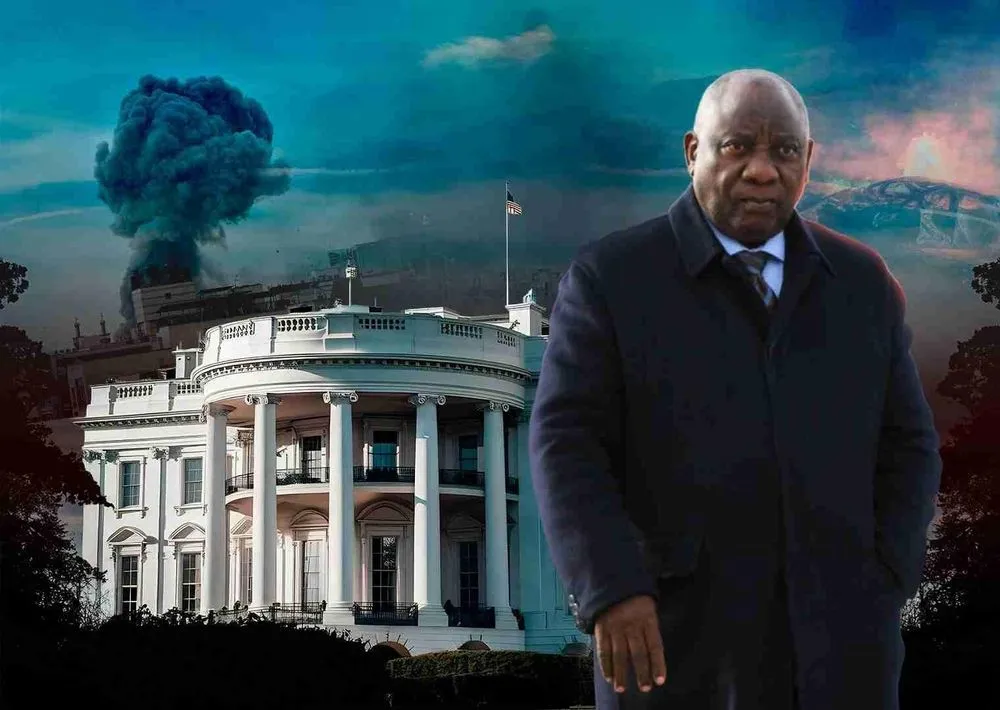
President Cyril Ramaphosa has publicly acknowledged the severity of these economic headwinds. He has cautioned Parliament that the surge in global oil prices, alongside other critical supply inputs like fertilizer, poses a significant risk to economic growth and inflation targets. The President's remarks highlighted the potential for these external factors to undermine progress made in controlling the cost of living, signaling a challenging outlook for the nation's economy. The government's efforts to bolster tax collection and promote infrastructure development are likely to face increased strain under these circumstances.
Impact of Global Oil Prices on South Africa
South Africa's economic stability is intricately linked to global energy markets, given its status as a net importer of crude oil. The current geopolitical climate, marked by the ongoing conflict involving the U.S. and Iran, has predictably led to a sharp increase in international oil prices. This surge directly translates into higher fuel costs for South African consumers and businesses. The knock-on effects are substantial, influencing transportation expenses, the cost of goods, and overall inflation rates, thereby affecting household budgets and business profitability.
President Ramaphosa's address to Parliament underscored the gravity of the situation. He articulated concerns that the escalating costs of essential commodities will not only impede the battle against inflation but also decelerate economic expansion and hinder job creation initiatives. The President pointed to recent labor market data indicating a decline in employment figures as a source of significant concern, emphasizing that economic growth must ultimately serve the purpose of improving citizens' livelihoods by creating work and expanding opportunities.
Diplomatic Tensions and Future Outlook
The proposed U.S. tariffs also emerge against a backdrop of heightened diplomatic friction between Pretoria and Washington. Recent exchanges, including comments from Minister Ronald Lamola regarding the MAGA movement and human rights, have led to sharp responses from the U.S. State Department. This dynamic suggests that geopolitical considerations and differing foreign policy stances are influencing bilateral trade relations, adding another layer of complexity to the economic outlook.
The South African government faces the challenge of navigating these complex international pressures. The outcome of the upcoming tariff hearings on July 7, 2026, will be crucial. The administration's ability to manage both domestic economic vulnerabilities and external trade disputes will be key to mitigating negative impacts on growth, employment, and the cost of living for its citizens. The current global environment demands a strategic approach to trade policy and international diplomacy.