Blackview is a brand primarily recognized for its production of ruggedized smartphones, tablets, and other mobile electronic devices. Established in 2013, the company focuses on designing hardware solutions intended for demanding environments, often incorporating features such as enhanced durability, water and dust resistance (IP ratings), shockproof construction, and extended battery life. Its product portfolio is targeted towards consumers and professionals who require reliable technology in outdoor, industrial, or tactical settings, differentiating itself from mainstream consumer electronics manufacturers by emphasizing resilience and robustness over cutting-edge aesthetics or flagship processor performance.
The engineering philosophy behind Blackview devices typically involves robust chassis materials like reinforced polycarbonate, metal alloys, and Gorilla Glass for screen protection. Many models adhere to MIL-STD-810G or MIL-STD-810H military standards for testing against environmental stressors including drops, vibrations, temperature extremes, and immersion. Furthermore, specific models may integrate specialized sensors or functionalities such as thermal imaging cameras, infrared thermometers, or enhanced GPS capabilities, catering to niche industrial inspection, field service, or emergency response applications. The operational software is generally based on Android, with customizations often related to power management or device utility features relevant to their ruggedized nature.
Brand History and Evolution
Blackview was founded in Hong Kong in 2013, with its operational headquarters situated in Shenzhen, China, a major hub for electronics manufacturing and research. The company's inception coincided with a growing demand for durable mobile devices capable of withstanding conditions unsuitable for conventional smartphones. Initially, the brand focused on expanding its product lines to include a variety of rugged smartphones, quickly establishing a presence in both domestic and international markets. Over the years, Blackview has iterated on its ruggedization techniques, improving ingress protection ratings and MIL-STD compliance while also incorporating advancements in mobile processing, camera technology, and battery capacity, albeit often with a deliberate prioritization of durability and cost-effectiveness.
Product Architecture and Engineering
The fundamental architecture of Blackview devices emphasizes hardware fortification. This is achieved through several key engineering principles:
- Chassis Design: Employing multi-layer protection with shock-absorbent rubberized bumpers, internal shock-damping structures, and reinforced corner guards.
- Ingress Protection: Implementing sealing mechanisms, port covers, and specialized gaskets to meet IP68, IP69K, and sometimes MIL-STD-810G/H certifications for resistance against dust, water submersion, and high-pressure water jets.
- Display Protection: Utilizing toughened glass, such as Corning Gorilla Glass, often with enhanced thickness and layered composites to resist scratches and impacts.
- Thermal Management: Designing for broader operating temperature ranges, often employing passive cooling methods due to sealed enclosures, and ensuring internal components are shielded from extreme ambient conditions.
- Battery Systems: Integrating high-capacity battery cells, sometimes exceeding 10,000 mAh, with optimized power management software to support extended operation in remote or power-scarce environments.
- Specialized Hardware Modules: Certain models integrate unique hardware, such as FLIR thermal imaging cameras, infrared sensors, or specialized antenna systems for enhanced signal reception.
Key Product Lines and Specifications
Blackview categorizes its offerings into several primary lines, each tailored to specific use cases:
Rugged Smartphones
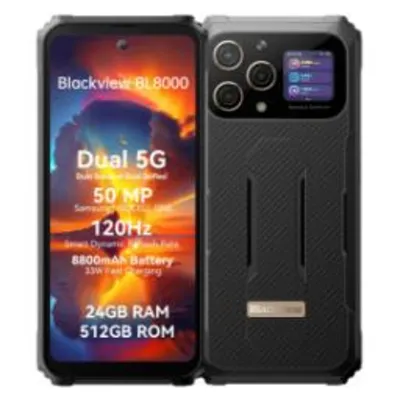
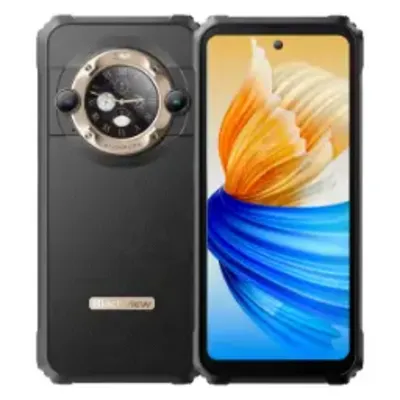
These are the core of Blackview's product strategy. Models like the BL series (e.g., BL8000, BL9000) and BV series (e.g., BV8000 Pro, BV9200) typically feature:
| Specification | Typical Range/Value | Notes |
|---|---|---|
| Processor | MediaTek Helio G-series or Dimensity series; Qualcomm Snapdragon variants | Performance optimized for efficiency and reliability over peak speed. |
| Display | 5.5" to 6.8" FHD+ or higher resolution; High refresh rates (e.g., 120Hz) | Often protected by strengthened glass; some models feature secondary rear displays. |
| RAM/Storage | 8GB - 16GB LPDDR4X/LPDDR5 RAM; 128GB - 512GB UFS 2.x/3.x storage | Expandable via microSD card up to 1TB. |
| Cameras | Rear: 50MP - 108MP primary sensor, ultra-wide, macro, depth sensors; Front: 16MP - 32MP | Some models include thermal or night vision cameras. |
| Battery | 6,000 mAh to 22,000 mAh | Support for fast wired and wireless charging. |
| Durability Standards | IP68, IP69K, MIL-STD-810G/H | Resistance to water, dust, drops, shock, vibration, and extreme temperatures. |
| Operating System | Android (versions 12, 13, 14) | With Blackview's custom utility and power management enhancements. |
Rugged Tablets
Designed for industrial field use, logistics, and mobile workforce applications. These devices offer larger screen real estate combined with ruggedization. Models like the Tab series (e.g., Tab 15 Pro, Tab 16) typically feature:
- Screen Sizes: 10" to 11" FHD+ displays.
- Processors: Similar to rugged smartphones, prioritizing efficiency.
- Batteries: Larger capacities, often 7,000 mAh to 10,000 mAh.
- Connectivity: Enhanced GPS, optional 4G LTE, Wi-Fi 6.
- Accessories: Support for ruggedized keyboards and active styluses.
Other Products
Blackview also produces feature phones, wireless earbuds, and smartwatches, many of which incorporate elements of rugged design or extended battery life consistent with the brand's core ethos.
Applications and Use Cases
Blackview devices are engineered for environments where standard consumer electronics would likely fail. Key application areas include:
- Field Service and Maintenance: Technicians in construction, utilities, agriculture, and heavy industry utilize these devices for diagnostics, data logging, and communication in challenging conditions.
- Logistics and Warehousing: Rugged tablets and phones are employed for inventory management, route tracking, and scanning in demanding warehouse or outdoor logistics operations.
- Public Safety and Emergency Services: First responders may use rugged devices for communication, mapping, and access to critical information in emergency scenarios.
- Outdoor and Adventure Enthusiasts: Hikers, campers, and extreme sports participants use these devices for navigation, communication, and durability in unpredictable environments.
- Industrial Inspection: Devices with specialized sensors like thermal cameras are used for inspecting machinery, electrical systems, or structural integrity without requiring separate instrumentation.
Market Position and Competition
Blackview operates within the specialized segment of the rugged mobile device market. Its primary competitors include other Chinese manufacturers specializing in rugged devices such as Ulefone, Doogee (which also has rugged lines), AGM, and Oukitel. Internationally, brands like CAT (Caterpillar) phones, Kyocera, and Panasonic also offer ruggedized mobile solutions, though often at higher price points or with different market focuses. Blackview differentiates itself by offering a balance of rugged features, modern smartphone specifications (relative to the rugged category), and competitive pricing, making it accessible to a broader segment of the rugged device market.
Pros and Cons
Pros
- Exceptional Durability: High resistance to drops, water, dust, and extreme temperatures, meeting recognized industry standards.
- Extended Battery Life: Large capacity batteries provide multi-day usage under typical or demanding conditions.
- Cost-Effectiveness: Generally offers a lower price point compared to established Western brands in the rugged device sector.
- Specialized Features: Inclusion of thermal cameras, infrared sensors, and robust GPS in certain models enhances utility for specific professions.
- Repairability Considerations: While sealed for ingress protection, the modular design of some components can facilitate repairs by specialized service centers.
Cons
- Performance Limitations: Processors and graphics capabilities are often mid-range, not suitable for graphically intensive applications or high-end gaming.
- Bulk and Weight: The robust construction results in devices that are significantly larger and heavier than conventional smartphones.
- Camera Quality: While improving, camera performance, especially in low light, may not match that of non-rugged flagship devices.
- Software Updates: Frequency and duration of operating system and security updates can be less consistent than from major global manufacturers.
- Aesthetics: The rugged design prioritizes function over form, leading to utilitarian aesthetics that may not appeal to all users.
Future Outlook
The demand for robust, reliable electronic devices continues to grow across various industrial, professional, and specialized consumer sectors. Blackview is poised to continue its trajectory by refining its ruggedization technologies, integrating more advanced sensor capabilities (such as improved thermal imaging or environmental monitoring), and potentially enhancing processing power while maintaining its competitive pricing strategy. Future developments may also see greater integration of 5G connectivity in rugged form factors and further optimization of battery efficiency and charging technologies to support prolonged off-grid operations. The company's ability to adapt to evolving mobile technology standards while adhering to its core promise of durability will be key to its sustained relevance in the niche rugged device market.