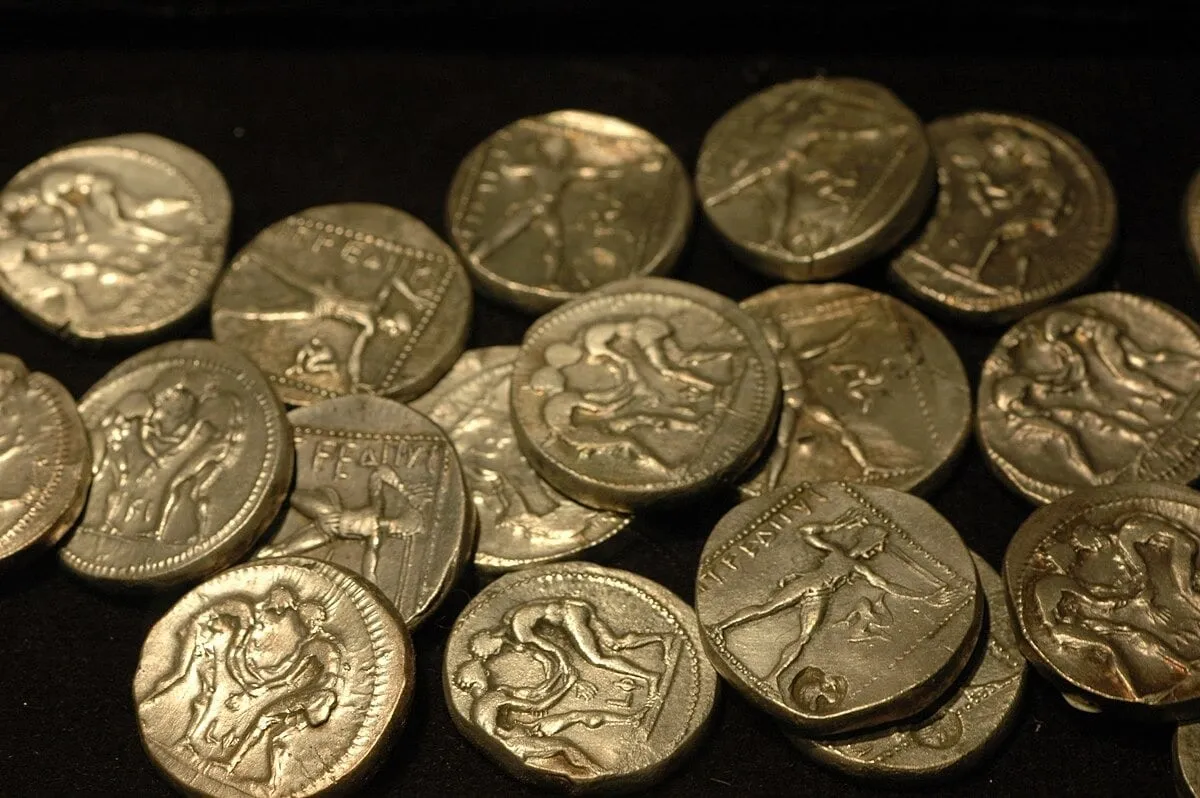
Ancient Greece, a civilization renowned for its monumental achievements in philosophy, art, and warfare, also possessed a complex economic system that supported its populace. While historical narratives often spotlight prominent figures and pivotal events, the daily grind and financial realities of ordinary citizens, foreigners, and enslaved individuals form the bedrock of this ancient society. Understanding their labor and the wages they earned provides a crucial, albeit less glamorous, perspective on the functioning of the Greek polis.
The economic landscape of ancient Greece was intrinsically tied to social status. Whether one was a free citizen, a resident alien (metic), or an enslaved person dictated not only one's opportunities but also the societal perception of their work. The agrarian sector formed the backbone of the economy, with most individuals engaged in farming, cultivating land, and raising livestock. This foundational role of agriculture significantly shaped societal values and economic structures.
Agriculture: The Economic Engine of Ancient Greece
In the Classical period, agriculture was the predominant occupation. Land ownership, though generally restricted, was typically divided into smallholdings, preventing large-scale consolidation. This was further reinforced by inheritance laws that ensured equal shares of land for male heirs, contributing to the prevalence of family farms. The size of these farms varied significantly, with Athenian landowners holding plots ranging from five hectares for poorer citizens to twenty hectares for the aristocracy. Spartan farms were considerably larger, averaging between eighteen and forty-four hectares.
The income derived from agriculture was highly dependent on crop yields and livestock productivity. Citizens who did not own land might lease plots for cultivation or work for wages on the estates of wealthier landowners. For the poorest citizens, often classified as thetes in Athens, their income was meager, sometimes measured in units of grain or food rather than currency, underscoring the subsistence nature of their labor.
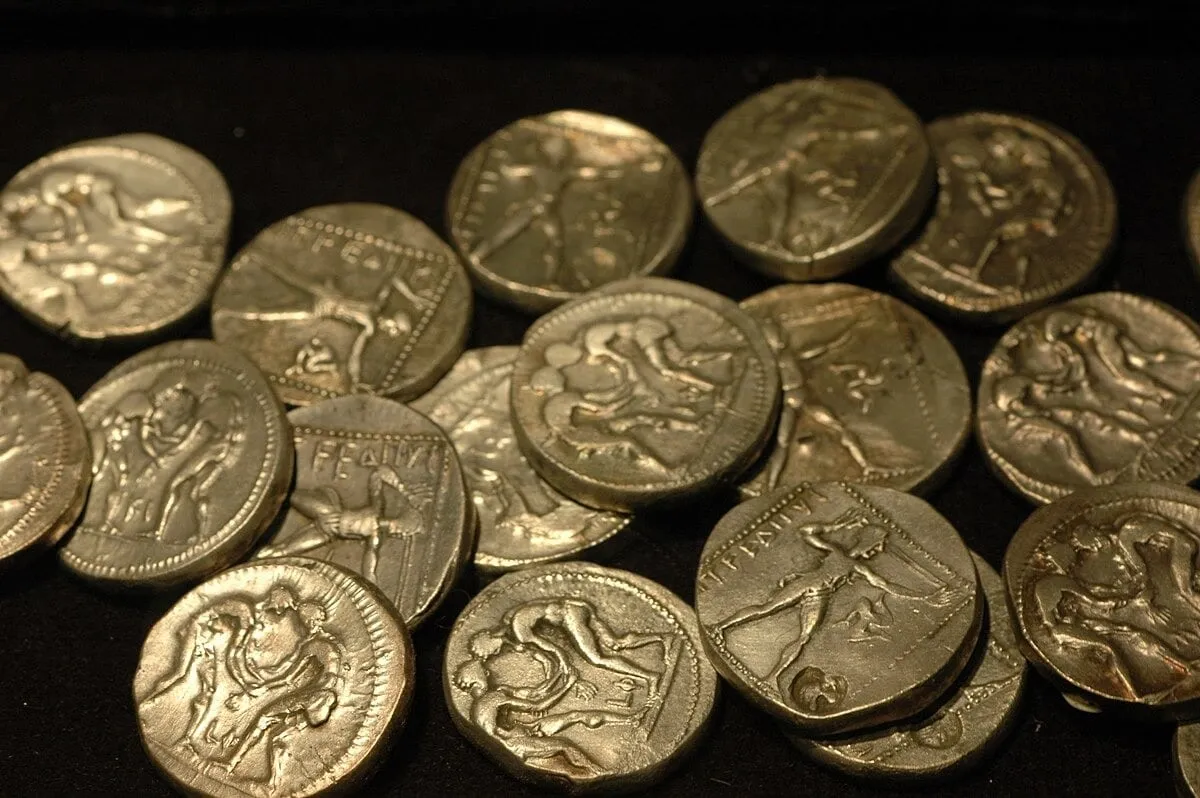
The concept of earning wages was, in many respects, viewed with a degree of social disdain. Manual labor for pay was often perceived as a constraint on personal freedom, drawing parallels with the condition of slavery. This societal attitude meant that free individuals performing labor alongside enslaved people, such as during significant construction projects, were often compensated at comparable rates. Despite this stigma, the wages earned were generally sufficient to maintain a basic livelihood.
In Athens, particularly during the late fifth century BC, skilled laborers could expect to earn approximately one drachma per day. By 377 BC, this daily wage had risen to two and a half drachmai. The value of these earnings can be contextualized by the price of essential goods; for instance, a medimnos (an ancient Greek unit of volume, typically for grain) cost around three drachmai. Since a medimnos contained forty-eight choinices (a smaller unit of volume), one drachma could purchase enough grain to sustain an individual for roughly sixteen days, illustrating the purchasing power of their earnings.
The Role of Metics and Foreigners
The presence of metics – free non-citizens who resided in Greek city-states, particularly Athens – played a vital role in filling economic niches. Athens hosted a significant metic population, estimated at twenty-five thousand at its peak. These individuals were often barred from owning land and tended to engage in trades and businesses that free citizens might have disdained. This dynamic allowed for a more diverse economic activity, especially in bustling port cities where trade flourished.
Despite facing certain restrictions, such as a special poll tax and limitations on legal and political participation, prominent and wealthy metics could achieve considerable success. Individuals like the bankers Pasion and Phormion, and the shield-maker Cephalus, exemplify the economic potential available in thriving urban centers, demonstrating that opportunities existed beyond the traditional agrarian model and even for those who were not full citizens.
Skilled Trades and Public Works
Beyond agriculture, ancient Greece boasted a variety of skilled trades and occupations. Artisans, craftsmen, and builders were essential for constructing the magnificent temples, public buildings, and infrastructure that characterized Greek city-states. While specific daily wages for all these professions are not always clearly documented, the general rate for skilled labor in Athens provides a baseline understanding.
The construction of major public works, such as the Acropolis, involved a diverse workforce. Records indicate that individuals involved in these projects, regardless of their free or enslaved status, received comparable remuneration. This suggests a pragmatic approach to labor management, prioritizing the completion of essential state projects by drawing from the available labor pool and compensating them adequately for their efforts.
Military and Maritime Labor
The lives of soldiers and sailors also formed a significant part of the ancient Greek economy. Pay varied considerably based on rank, length of service, and whether individuals were conscripts or mercenaries. Mercenaries, in particular, would negotiate specific contracts outlining their terms of employment and compensation.
Historical figures provide some insight into military and naval pay. During the fifth century, a soldier on campaign might be allotted one choinix of wheat per day. For rowers in the Athenian navy, daily wages stood at one drachma during the early fifth century, a rate that had increased from a previous two obloi, particularly during times of conflict. This indicates that maritime service, while arduous, offered a stable source of income for many.