Ancient Greece's economy relied heavily on its ordinary people, from farmers to artisans and soldiers. Understanding their daily labor and wages offers a crucial perspective on this ancient civilization. Agriculture was paramount, with smallholdings common and income tied to yields.
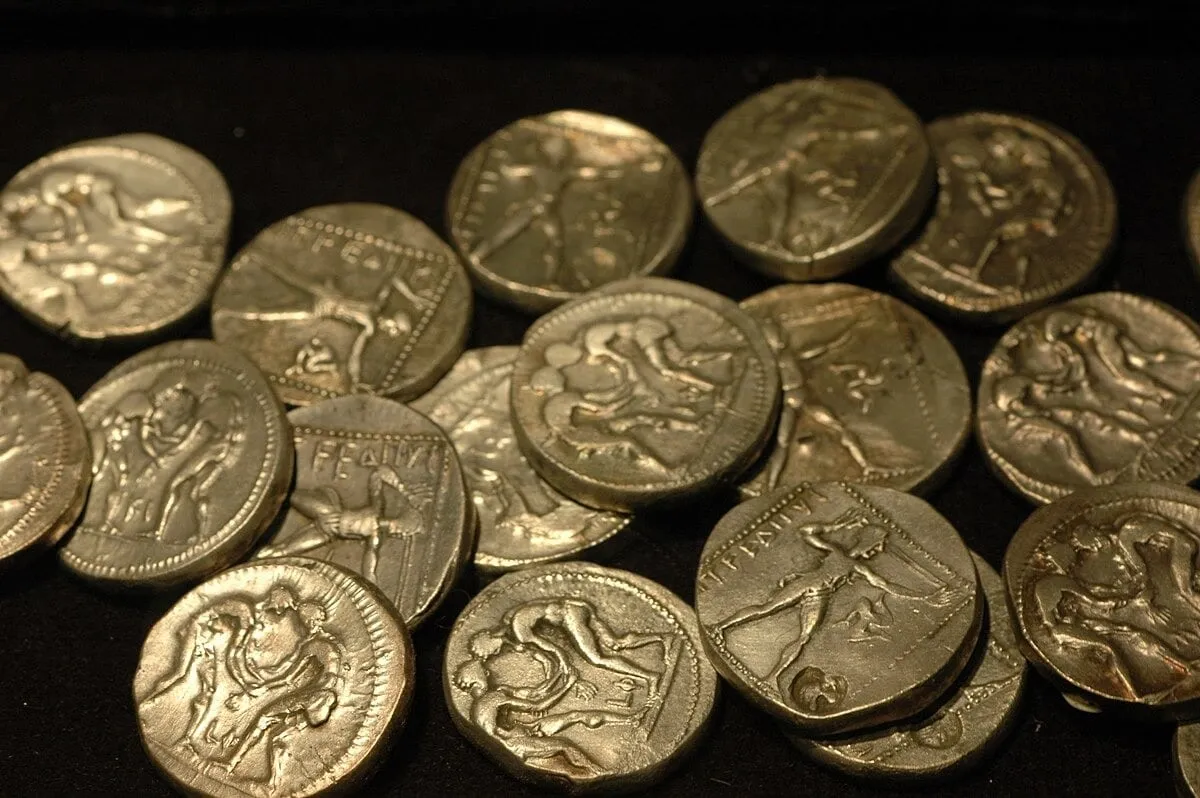
Wages for skilled labor in Athens, around one drachma per day in the late fifth century, provided a basic livelihood, though earning pay was sometimes viewed as limiting freedom. Foreign residents, or metics, played a significant role in commerce and trades, especially in bustling cities like Athens, despite facing certain restrictions.
Military and naval personnel also earned wages, with rowers in the Athenian navy receiving a drachma daily during wartime. These diverse roles, from manual labor to skilled crafts and military service, collectively underpinned the economic structure of ancient Greek society.