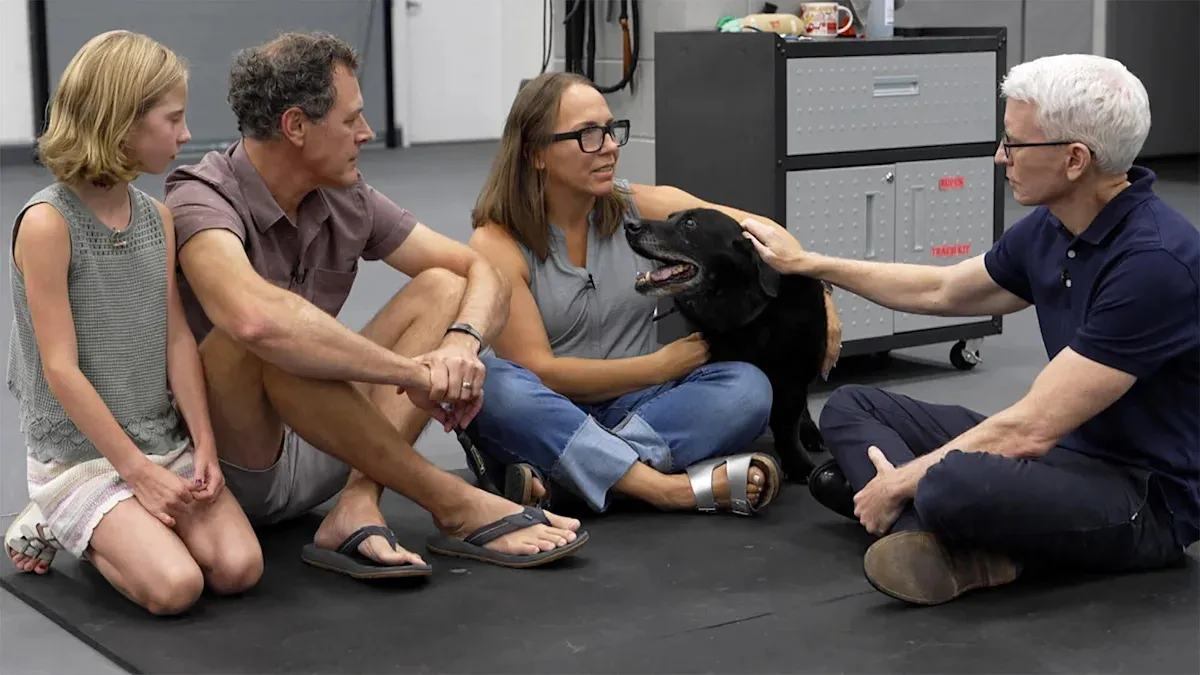
Ralph, a beloved family dog with distinctive proportions – stubby legs and a large head – captured the hearts of the Rowe family in 2012. His playful nature, enjoying activities like frisbee, camping, and swimming, combined with his unique appearance, made him a noticeable and cherished companion. Beyond his engaging personality, Ralph provided immense emotional support to the Rowe family during challenging periods. This included navigating complex medical issues for their daughter Eloise, who was born with esophageal atresia and tracheoesophageal fistula requiring multiple surgeries, and supporting Jason after a severe cardiac arrest that resulted in cognitive impairment. Ralph's presence offered consistent, unconditional comfort, proving to be a source of solace when the family faced adversity.
The first signs of significant change in Ralph's behavior emerged in 2024 during a visit to a mountain home. His owners observed unusual anxiety and confusion, marked by incessant pacing and panting. This departure from his usual calm demeanor prompted concern. In February 2025, following a cognitive assessment, Ralph was clinically diagnosed with dementia. This diagnosis led to his enrollment in the Dog Aging Project, a groundbreaking initiative dedicated to studying the aging process in canines through the collaboration of pet owners, veterinarians, and scientists. Tara Rowe expressed a strong desire for Ralph's participation, hoping his involvement could contribute to understanding and finding solutions for dementia in dogs.
The Dog Aging Project and its Scientific Implications
The Dog Aging Project has already amassed a significant cohort of over 50,000 participating dogs. The overarching objective of this project is to unravel the complexities of aging in dogs, with the ultimate goal of identifying pathways to promote longer, healthier lives for both canine companions and humans. Dr. Dirk Keene, a neuropathologist from the University of Washington and a key researcher in the project, highlights the profound potential of studying canine dementia. He believes that insights gained from dogs experiencing cognitive decline can offer invaluable perspectives into human neurodegenerative diseases, such as Alzheimer's.
Dr. Keene emphasizes that to effectively understand and intervene in human diseases, particularly those affecting the brain, identifying appropriate animal models is crucial. The Dog Aging Project positions dogs as a uniquely valuable model for this research due to their shared physiological and neurological similarities with humans. 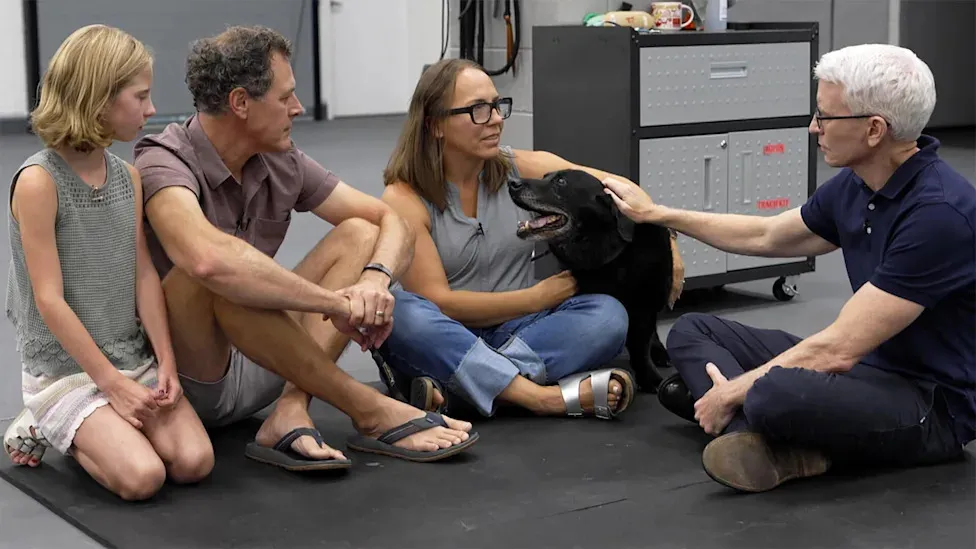 The project investigates how aging affects dogs across various aspects, from their physical health to their cognitive functions, aiming to gather comprehensive data that can translate into advancements in veterinary medicine and human health research.
Comparative Neuropathology: Dogs and Humans
Dr. Keene presented a stark visual comparison using sliced brain specimens: one from a human with dementia, one from a healthy human, one from a dog with dementia, and one from a healthy dog. This demonstration underscored the anatomical parallels between canine and human brains, particularly the presence of key regions such as the frontal, temporal, and occipital lobes. The research indicates that the pathological changes associated with dementia manifest similarly in both species. As neurons are lost due to the disease, the brain tissue diminishes, leading to a noticeable reduction in brain size and a corresponding expansion of the fluid-filled central cavities within the brain.
The visual evidence of brain shrinkage and enlarged ventricles in affected individuals, both human and canine, serves as a powerful illustration of the disease's impact. The comparison highlighted how the structural integrity of the brain is compromised in dementia, presenting a common challenge across species. This shared pathology makes the study of canine dementia particularly relevant for understanding the mechanisms underlying human neurodegenerative conditions. 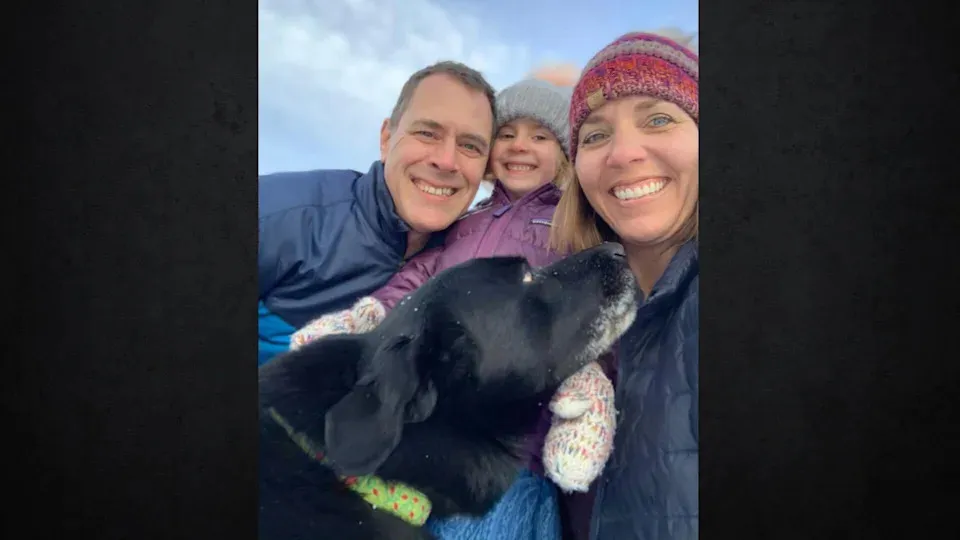
Assessing Cognitive Function: Short-Term Memory Tests
During a segment filmed for 60 Minutes, comparative psychologist Evan MacLean conducted a short-term memory test with Ralph. The test involved hiding a treat and then observing Ralph's ability to locate it after a brief delay. In repeated trials, Ralph demonstrated significant difficulty recalling the treat's location, even forgetting its existence shortly after the hiding occurred. His aimless wandering and failure to find the treat indicated clear signs of cognitive impairment.
MacLean noted that a typical young dog would readily locate the treat, even with a waiting period. Ralph's performance, however, suggested a more profound deficit, where he appeared to lose awareness of the task objective almost immediately. This inability to retain information over short intervals is a hallmark of cognitive dysfunction in aging animals. 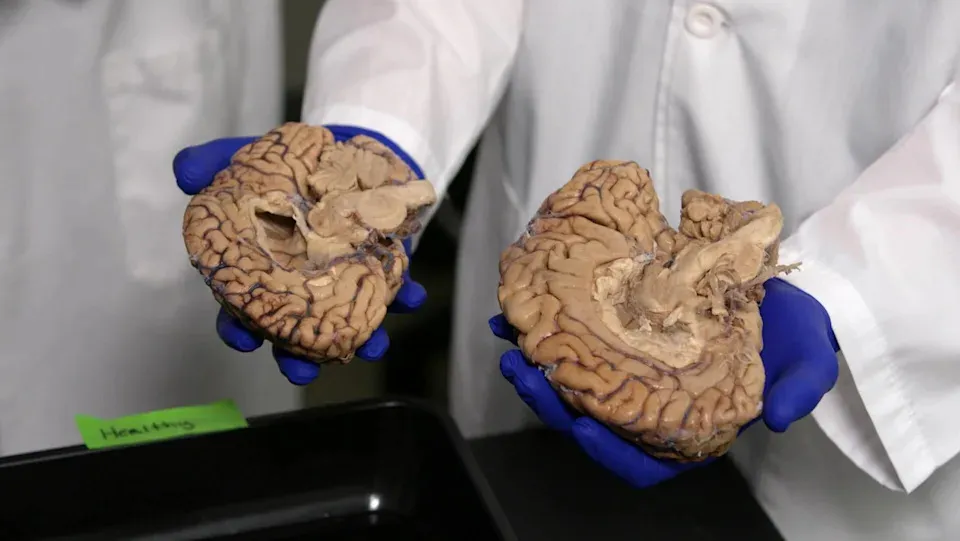
Neuroimaging and Biomarkers of Dementia
Neuroimaging techniques, such as Magnetic Resonance Imaging (MRI), have provided crucial insights into the physical changes occurring in the brains of dogs with dementia. In Ralph's case, MRI scans revealed distinct differences compared to a healthy canine brain. The scans showed an increase in white pockets, identified as fluid-filled spaces. This expansion occurs as brain tissue atrophies, a direct consequence of neuronal loss characteristic of dementia.
Dr. McGrath explained that normally, these fluid-filled spaces are barely visible. However, in Ralph's MRI, their prominence indicated significant brain shrinkage. This observation reinforces the structural impact of dementia, providing a quantifiable measure of disease progression. 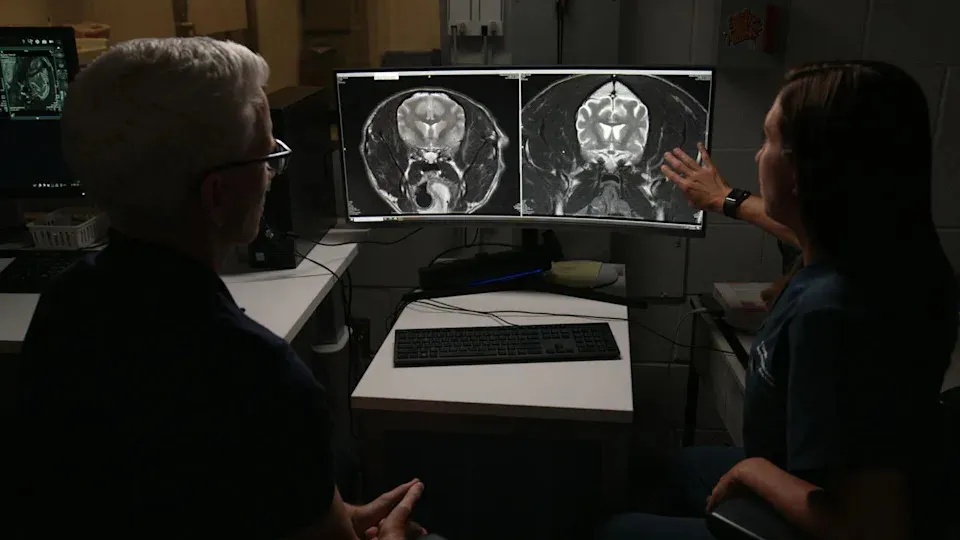 The correlation between these imaging findings and cognitive deficits further solidifies the diagnostic value of neuroimaging in canine dementia research.
Investigating Therapeutic Avenues: Rapamycin Study
While effective treatments for canine dementia are currently limited, research is exploring potential therapeutic interventions. A pilot study involving the drug rapamycin was conducted by molecular biologist Julie Moreno at Colorado State University, with 12 dogs exhibiting signs of dementia. In this study, one group of dogs, including Ralph, received rapamycin, while a control group was given a placebo. Post-mortem examination of the dogs' brains aimed to assess the drug's impact.
Moreno's preliminary findings indicated that dogs treated with rapamycin showed a reduction in microglial cells. Microglia are immune cells in the brain that, when activated, can contribute to inflammation, a process often associated with neurodegenerative diseases like dementia. Ralph's brain tissue analysis revealed a notable decrease in these inflammatory markers compared to dogs who received the placebo. 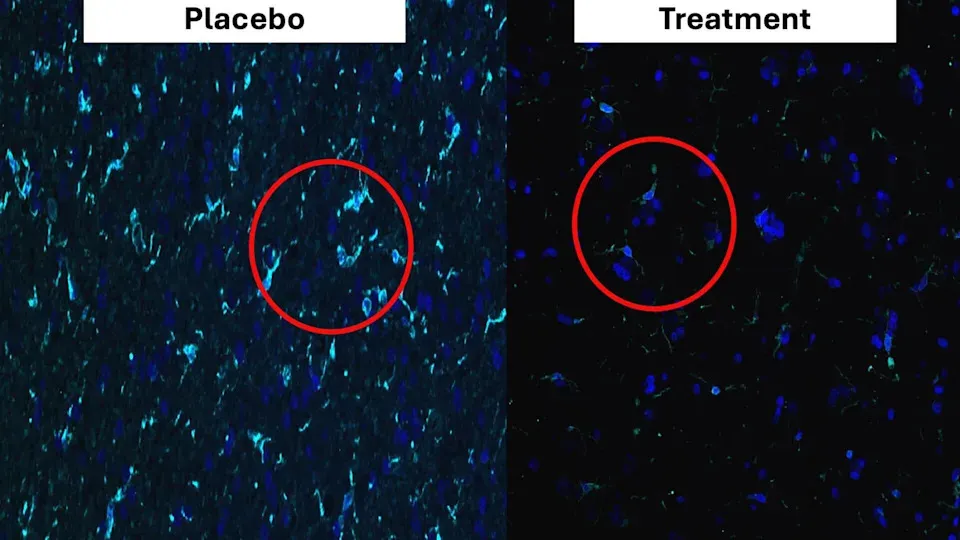 This suggests that rapamycin may have a role in modulating neuroinflammation, potentially offering a new therapeutic direction for managing canine cognitive decline.
The Legacy of Ralph and Future Directions in Aging Research
The Rowe family expressed profound pride in Ralph's contribution to scientific understanding, finding comfort in the knowledge that he might help future generations of both dogs and humans. His participation in research provided his life with an added sense of purpose, particularly for a family that had already navigated significant personal health challenges. This sentiment underscores the deep bond between humans and animals and the meaningful ways pets can contribute to scientific progress.
When asked about preventative measures for maintaining brain health in dogs, Dr. McGrath suggested that the strategies beneficial for humans likely apply to dogs as well. These include maintaining physical activity, mental stimulation through training and engagement, and a balanced, healthy diet. While ongoing research continues to seek definitive answers, these lifestyle factors appear to be the most promising avenues for supporting cognitive well-being in aging dogs. The collective efforts within the Dog Aging Project, fueled by contributions like Ralph's, are vital for advancing our understanding of aging and neurodegeneration across species.