



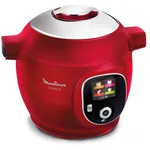

Deep Dive into Pressure Cooker & Multi-Cooker Engineering and Functionality
Understanding Pressure Cooking Mechanics
At its core, a pressure cooker operates on the principle that increasing the atmospheric pressure above a liquid elevates its boiling point. In a sealed pressure cooker, steam generated from the liquid is trapped, building pressure inside the vessel. This elevated pressure typically allows water to reach temperatures up to 121°C (250°F) or even higher, significantly accelerating the cooking process by up to 70%. The primary benefit lies in the rapid breakdown of connective tissues in meats and fibrous structures in vegetables, resulting in tender textures and deep flavor development in a fraction of traditional cooking times. Modern electric pressure cookers feature precise electronic controls that maintain a consistent internal pressure, often adjustable between low (around 6 psi/40 kPa) and high (around 12-15 psi/80-100 kPa), catering to delicate and robust ingredients alike.
Multi-Cooker Versatility: Beyond Pressure
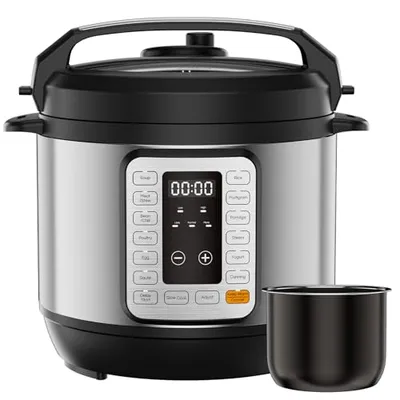
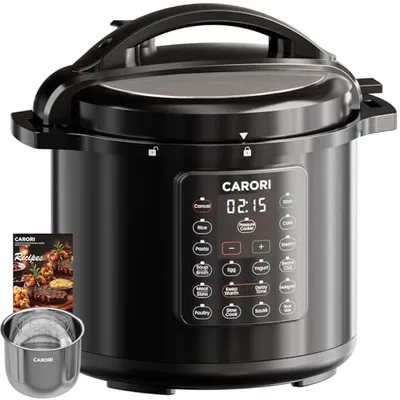
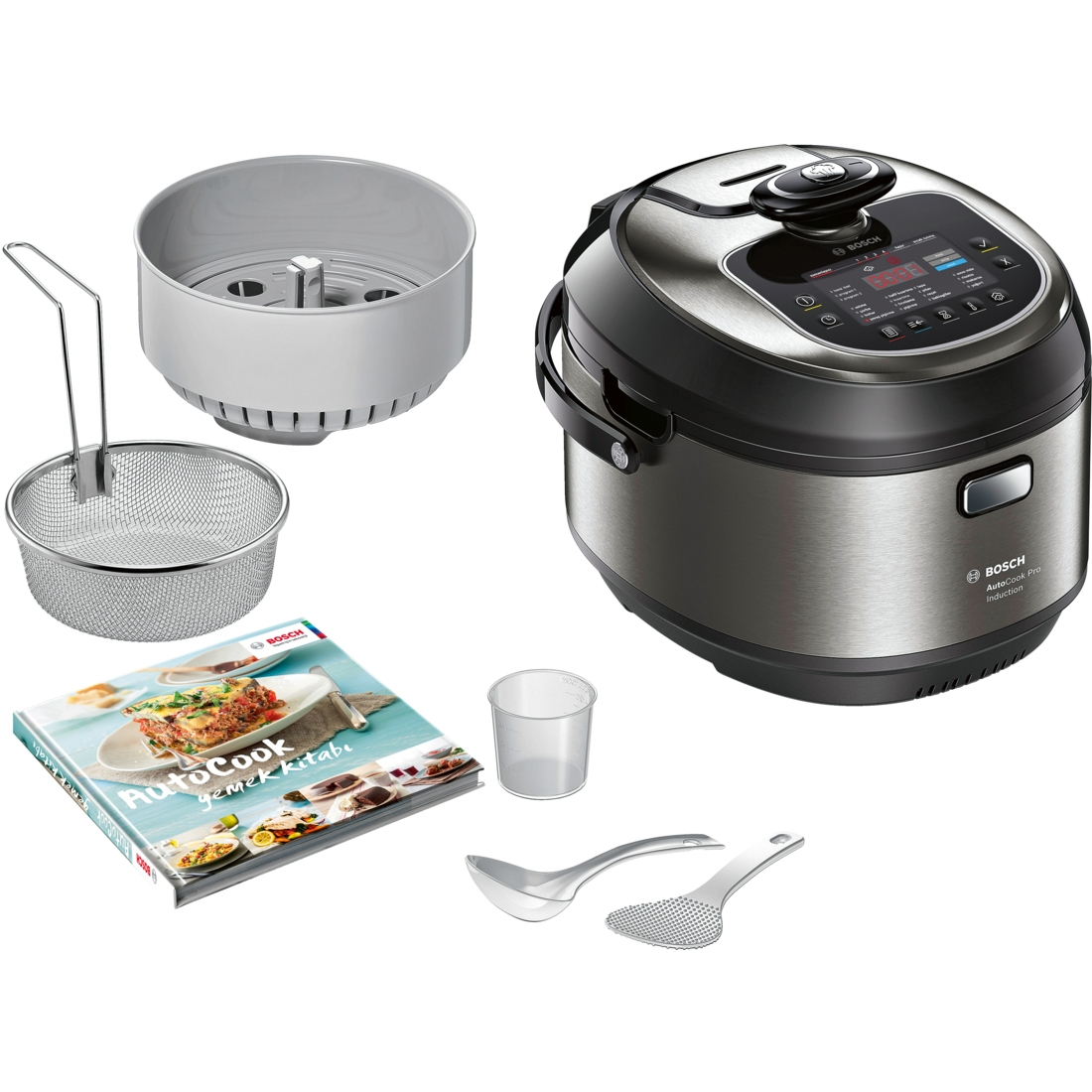
Multi-cookers expand upon the fundamental pressure cooking capability by integrating a variety of heating elements and sophisticated programming. These appliances are engineered to perform diverse culinary tasks through controlled heating profiles and temperature regulation. For instance, the slow cooking function typically involves sustained low-temperature heating over extended periods, emulating traditional crock-pot methods. The sauté function utilizes a high-wattage heating element at the base to quickly reach searing temperatures, facilitating browning prior to pressure cooking. Steaming functions are optimized with a basket insert and precise water level, maintaining a continuous flow of hot steam for gentle cooking. Other specialized functions include rice cooking with fuzzy logic, yogurt making requiring specific fermentation temperatures, and even sterilizing baby bottles, all managed through an integrated micro-controller and a user-friendly interface.
Material Science and Safety Engineering
The construction materials of pressure cookers and multi-cookers are critical for both performance and safety. Inner pots are predominantly made from 18/8 or 18/10 food-grade stainless steel for durability, non-reactivity, and ease of cleaning, or with ceramic non-stick coatings for specialized applications. Lids are typically engineered with multiple redundant safety mechanisms, including a spring-loaded vent valve that precisely regulates working pressure, a secondary float valve that indicates internal pressure status, and an emergency pressure release valve designed to activate if primary systems fail. An anti-block shield prevents food particles from obstructing the steam release valve. Furthermore, electric models incorporate lid interlocks that prevent the unit from pressurizing if the lid is not correctly sealed and prevent opening until pressure has safely dissipated. Over-temperature sensors automatically cut power to prevent dry boiling or excessive heat buildup, ensuring operation within safe parameters.