

A Technical Deep Dive into Sewing Machine Mechanics and Advanced Features
The Core Mechanics: Precision in Motion
At the heart of every sewing machine lies a meticulously engineered system designed to create a secure stitch. The primary components include the needle, which carries the top thread, and the bobbin, which supplies the bottom thread. The synchronicity between these two elements is critical. When the needle descends and then begins to rise, it forms a loop with the top thread. Simultaneously, a hook, either rotary or oscillating, catches this loop and carries it around the bobbin, intertwining it with the bobbin thread to form a lockstitch. The timing of this interaction is finely calibrated to ensure consistent stitch formation and prevent thread breakage or skipped stitches.
Needle and Thread Interaction
The needle itself is a specialized tool, with a specific scarf, groove, and eye designed to facilitate smooth thread passage and loop formation. Needles come in various types—universal, ballpoint, sharp, denim—each optimized for different fabric densities and weaves. Proper thread tension, controlled by a series of tension discs for the top thread and a spring for the bobbin thread, is paramount. Imbalanced tension can lead to loose stitches, puckering, or uneven seams, compromising the structural integrity and aesthetic appeal of the final product.
Fabric Feeding Systems
The feed dog mechanism, located beneath the needle plate, is responsible for moving the fabric consistently forward after each stitch. Standard feed dogs typically comprise two or three rows of metal teeth that grip the fabric and advance it. More advanced machines may feature a walking foot, which acts as an additional set of feed dogs on top, ensuring even feeding of slippery, stretchy, or multiple layers of fabric. Differential feed systems, common in sergers, allow the user to adjust the speed of the front and rear feed dogs independently, enabling the creation of gathers or the prevention of stretching on knit fabrics.
Power and Control: The Drive System
The motor is the driving force behind the sewing machine, dictating its speed and piercing power. Most modern household machines use DC motors, offering quiet operation and fine speed control via a foot pedal or electronic buttons. Industrial machines often feature robust clutch motors or servo motors, providing greater torque for heavy-duty applications and sustained high-speed operation. Computerized machines integrate microprocessors to precisely control motor speed, stitch length, and width, often allowing for programmable stitch sequences and memory functions. Understanding the motor's wattage and the machine's maximum stitches per minute (SPM) provides insight into its overall capability and efficiency.
Advanced Features and User Interface
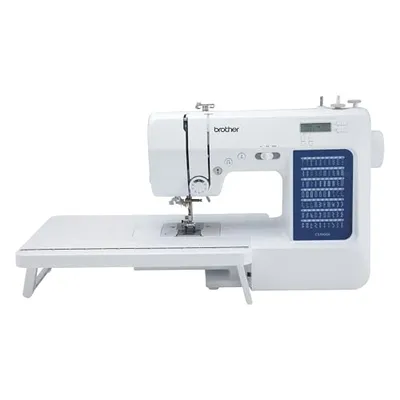
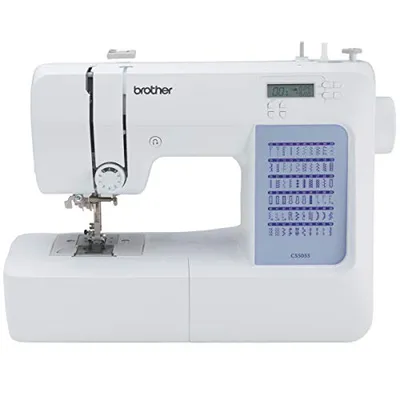
Contemporary sewing machines are often equipped with an array of features designed to enhance usability and expand creative potential. Automatic needle threaders simplify a often-fiddly task, while built-in thread cutters save time and reduce thread waste. Computerized models frequently include LCD screens, allowing users to select from hundreds of stitch patterns, adjust settings with digital precision, and even store custom designs. USB connectivity, knee lifters for hands-free presser foot lifting, and extended work tables or throat space for quilting and large projects are further technical enhancements that significantly impact a machine's utility for specific sewing disciplines.
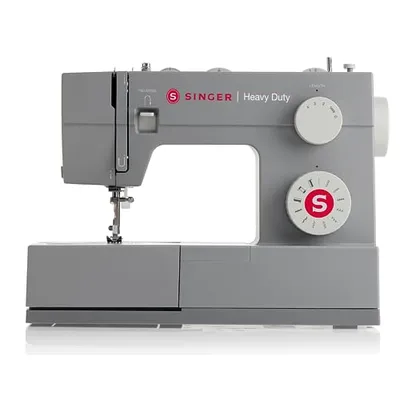
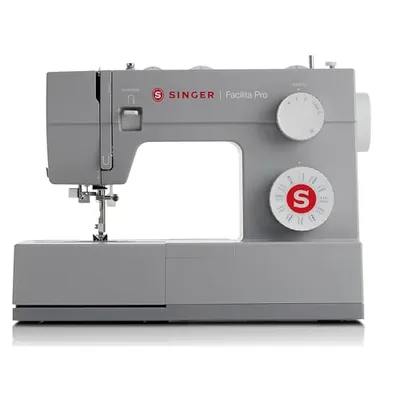
The robust construction of a sewing machine, particularly its internal frame, also plays a critical role in its longevity and performance. Machines with a full metal chassis exhibit superior stability, reduced vibration during high-speed operation, and greater durability compared to models reliant solely on plastic components. This structural integrity contributes directly to the precision of stitch formation and the machine's overall reliability over years of use.