

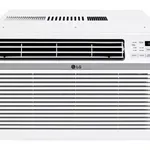
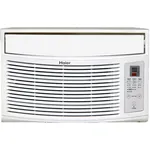
Deep Dive into Window Air Conditioner Technology and Installation
Understanding the Refrigeration Cycle in Window ACs
At the core of every window air conditioner is a sophisticated refrigeration cycle designed to transfer heat from an enclosed space to the outside environment. This cycle involves four primary components: the evaporator, compressor, condenser, and expansion valve. Inside the room, the evaporator coil absorbs heat from the indoor air, causing the low-pressure liquid refrigerant circulating within it to vaporize. This now gaseous, low-pressure refrigerant then flows to the compressor, which elevates its pressure and temperature significantly.
The high-pressure, hot refrigerant gas then moves to the condenser coil, located on the unit's exterior side. Here, the refrigerant releases its latent heat to the ambient outdoor air, causing it to condense back into a high-pressure liquid. Finally, this high-pressure liquid passes through an expansion valve, which drastically reduces its pressure and temperature before it re-enters the evaporator coil, ready to absorb more heat and complete the cycle. This continuous process effectively lowers the indoor air temperature and reduces humidity.
Key Technical Specifications and Their Implications
British Thermal Units (BTU) and Sizing
BTU represents the cooling capacity of an air conditioner, quantifying the amount of heat a unit can remove from a room per hour. Correct sizing is paramount; an undersized unit will struggle to cool the space effectively, running continuously and wasting energy, while an oversized unit will cycle on and off too frequently. This short-cycling leads to uneven cooling, higher energy consumption due to constant compressor startups, and inadequate dehumidification, leaving the room feeling clammy. General guidelines suggest 5,000 BTU for rooms up to 150 sq ft, scaling up to 24,000 BTU for spaces around 1,000 sq ft, though factors like ceiling height, sun exposure, and occupancy must also be considered.
Energy Efficiency Ratio (EER) and Combined Energy Efficiency Ratio (CEER)
EER measures the cooling efficiency of an air conditioner under specific conditions, calculated by dividing the BTU rating by the wattage consumed. A higher EER indicates greater efficiency and lower operating costs. The CEER standard, introduced more recently, provides a more comprehensive measure for window ACs by factoring in the energy consumed when the unit is turned off but still plugged in. Consumers should prioritize units with higher EER or CEER values, as these typically translate to significant long-term savings on electricity bills, reflecting advancements in compressor technology and heat exchanger design.
Noise Levels (dB) and Refrigerant Types
Operational noise, measured in decibels (dB), is a critical factor, especially for units installed in bedrooms or living areas. Modern window ACs have significantly reduced their noise output, with many units operating below 55 dB, comparable to a quiet conversation. Consulting the unit's specification sheet for its dB rating is advisable. Regarding refrigerants, while R-410A has been standard for years, newer models are transitioning to R-32, a refrigerant with a lower Global Warming Potential (GWP), aligning with environmental regulations and promoting sustainability.
Installation Best Practices and Maintenance Essentials
Proper Installation for Optimal Performance
Beyond simply placing the unit in a window, proper installation is crucial for efficiency and longevity. Ensure the window frame and sash are robust enough to support the unit's weight. The unit should be slightly tilted outwards to allow for proper condensation drainage, preventing water accumulation inside the room. Thoroughly seal all gaps around the unit using foam or weather stripping to prevent air infiltration and ensure that conditioned air does not escape, nor unconditioned air enters. Verify electrical requirements, as larger units (typically 12,000 BTU and above) may necessitate a dedicated 20-amp, 230-volt circuit.
Routine Maintenance for Extended Lifespan
Regular maintenance is key to maximizing a window AC's efficiency and lifespan. The air filter, designed to trap dust and allergens, should be cleaned or replaced every two to four weeks, depending on usage and indoor air quality. A clogged filter restricts airflow, forcing the unit to work harder and reducing cooling capacity. Periodically inspect and clean the condenser and evaporator coils to remove accumulated dirt and debris, which can impede heat exchange. Ensure the drainage path remains clear, especially in self-evaporating models. During off-seasons, removing the unit, cleaning it thoroughly, and storing it in a dry, protected area can significantly extend its operational life.