

Deep Dive into Advanced Vacuum Sealer Accessory Technologies
Deep Dive into Advanced Vacuum Sealer Accessory Technologies
Understanding Vacuum Bag and Roll Construction
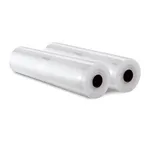
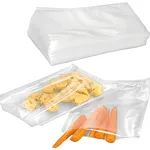
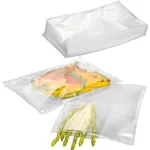
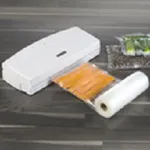
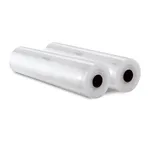
The efficacy of a vacuum seal hinges significantly on the quality and design of the bags and rolls employed. Standard vacuum bags are typically constructed from multi-layer films, often combining materials like polyethylene (PE) for heat sealing and flexibility, with nylon (PA) for superior oxygen barrier properties and puncture resistance. This composite structure is crucial for minimizing the Oxygen Transmission Rate (OTR) and Moisture Vapor Transmission Rate (MVTR), thereby retarding oxidation, preventing freezer burn, and extending the shelf life of perishable goods. For external suction sealers, an embossed or textured inner layer is essential. This micro-channelled design creates pathways for air to be efficiently extracted from the bag, preventing the film layers from collapsing prematurely and blocking the vacuum process. Conversely, chamber vacuum sealers utilize smooth bags, as the entire chamber is evacuated, eliminating the need for internal air channels.
Specialized Containers and External Sealing Systems
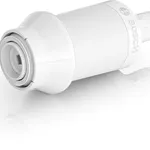
Beyond bags, vacuum sealer accessories encompass a range of specialized containers designed for various applications. Vacuum canisters and reusable containers, often made from durable, BPA-free plastics or borosilicate glass, feature integrated vacuum valves. These are ideal for preserving delicate items like baked goods, liquids, or pre-made meals that might be crushed by the intense pressure of direct bag sealing. Marinade containers specifically utilize the rapid pressure changes of vacuum sealing to accelerate the infusion of flavors into meats, poultry, and vegetables, significantly reducing marinating times from hours to mere minutes. External hose attachments are pivotal for expanding the utility of many home vacuum sealers. These hoses connect to ports on the main unit and allow for direct vacuuming of specialized container lids, jar sealers, and wine stoppers, providing airtight seals for non-bagged items and offering versatility beyond standard food storage.
Maintaining Optimal System Performance
The longevity and consistent performance of a vacuum sealing system are heavily reliant on proper maintenance and the use of appropriate accessories. Essential maintenance kits often include replacement gaskets, which are critical for maintaining a perfect vacuum seal at the sealing bar. Degraded or cracked gaskets can lead to inefficient air extraction and compromised seals. Similarly, moisture barriers, often simple absorbent strips, help protect the vacuum pump from accidental liquid ingress, which is a common cause of malfunction, especially when sealing moist foods. For chamber vacuum sealers, periodic oil changes are paramount to the health of the oil pump, ensuring it continues to pull a deep, consistent vacuum. Utilizing cleaning tools, such as specialized wipes for the sealing bar and internal chamber, prevents food residue buildup, which can interfere with heat sealing and introduce hygiene risks. Proper accessory selection, therefore, extends beyond mere storage; it encompasses the holistic care and optimization of the entire preservation ecosystem.