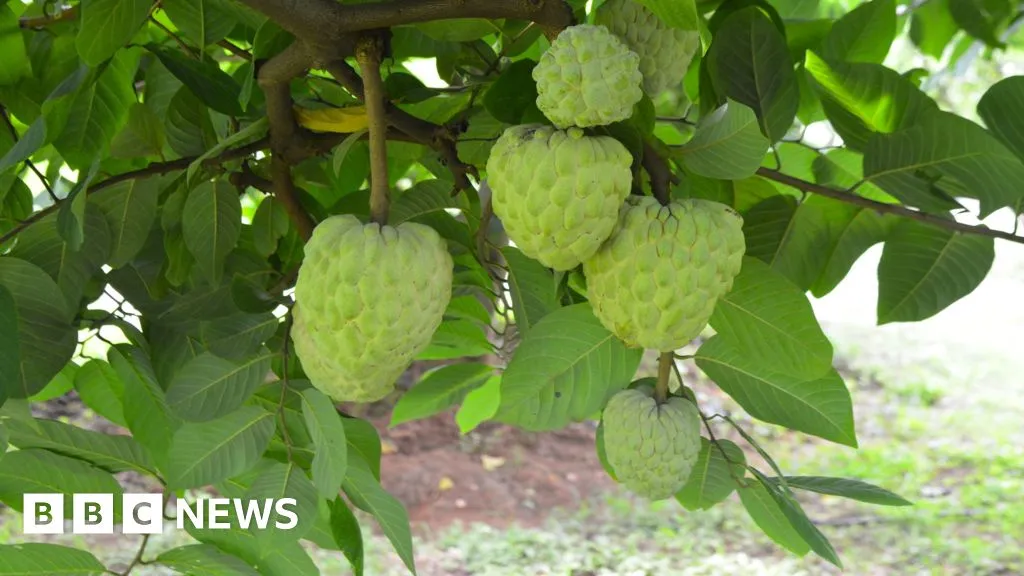
The cultivation of custard apple, a fruit celebrated for its unique custard-like flavor and remarkable drought tolerance, is undergoing a significant transformation. Driven by the dual imperatives of agricultural sustainability in water-scarce regions and the burgeoning global demand for exotic produce, farmers and researchers are pioneering innovative approaches. These advancements range from sophisticated crop selection and genetic hybridization to refined processing and cold-chain logistics, collectively reshaping the economic viability and market reach of this hardy fruit.
Traditionally, custard apple farming has been characterized by its resilience in arid conditions, requiring minimal water and pesticides. However, limitations such as short shelf life and high seed content in conventional varieties have historically constrained its commercial potential. This has spurred a wave of scientific inquiry and practical application, aiming to enhance both the yield and marketability of custard apples, thereby offering a sustainable livelihood for farmers in challenging climatic zones.
Advancements in Custard Apple Varieties
The quest for superior custard apple varieties is a central theme in modern agricultural research. Traditional varieties, while possessing excellent flavor, often suffer from low pulp content, numerous seeds, and a perishable nature, typically lasting only three to four days at room temperature. This poses significant challenges for farmers looking to market their produce effectively, especially for export.
Recognizing these limitations, institutions like the Indian Institute of Horticulture Research (IIHR) in Bangalore have focused on developing hybrid varieties. The 'Arka Sahan' hybrid, for instance, represents a substantial leap forward. It boasts an extended shelf life of up to a week at ambient temperatures, a significantly higher pulp content (around 70% compared to 30% in wild varieties), and a reduced seed count. This genetic improvement not only enhances the consumer experience but also doubles the usable harvest for farmers without requiring additional land, directly improving their economic returns.
Breeding for Enhanced Traits and Yield
The development of new custard apple varieties is a long-term commitment, often spanning over a decade of dedicated experimentation. Navnath Malhari Kaspate, a farmer from Maharashtra, exemplifies this dedication. Through meticulous cross-pollination of seeds collected across India, he developed the NMK-01 variety. This strain is particularly noted for its high yield and improved market characteristics, including a thicker skin and greater pulp volume.
The introduction of varieties like NMK-01 has unlocked export opportunities. Farmers cultivating these improved strains are now able to supply markets in the Gulf countries, Europe, and even the United States. The increased yields, coupled with better shelf stability, have turned custard apple farming into a more robust and profitable enterprise, demonstrating the profound impact of targeted plant breeding on agricultural economics.
Innovations in Processing and Export Logistics
The commercial success of custard apples, particularly in international markets, is critically dependent on sophisticated processing and cold-chain management. The delicate nature of the fruit requires precise handling from harvest to consumption to maintain its quality and extend its shelf life.
Exporting fresh custard apples involves meticulous planning. This includes careful selection of harvesting times, rapid transport to packing facilities, and swift transfer to airports for air freight. Throughout this process, temperature control is paramount. Custard apples are highly sensitive to heat; even brief exposure can drastically reduce their viability. Consequently, fruits are often pre-cooled for extended periods before being packed into specialized, temperature-retaining boxes and transported in refrigerated vans and cold rooms.
The Rise of Custard Apple Pulp and Powder
Beyond fresh fruit exports, the processing of custard apples into pulp or powder is revolutionizing the industry. This approach significantly mitigates the challenges associated with the fruit's short shelf life and sensitivity to transit conditions. The pulp, when processed and stored at sub-zero temperatures (-18°C), can be supplied to international clients for use in a variety of food products.
Overseas manufacturers utilize custard apple pulp in ice cream, baked goods, and even in specialized beverage concepts like 'pulp-shot' cafes. While the cold storage and transportation of pulp demand considerable investment, it offers a more cost-effective and scalable solution for international trade compared to air-freighting fresh fruit. This method allows for the movement of large volumes over extended periods, minimizing waste and maximizing market access for a larger portion of the crop.
Technological Adaptation and Future Prospects
Despite the advancements in cultivation and processing, the adoption of high-tech farming methods in custard apple cultivation remains relatively low. The fruit's inherent hardiness, ability to thrive in poor soils, and reliance on natural rainfall mean that traditional farming practices often suffice, reducing the perceived need for expensive technologies like advanced irrigation systems, sensors, or controlled environment agriculture. This presents a paradox: a crop with high market potential where technological investment has lagged due to its own natural resilience.
However, as the industry moves towards greater value addition through pulp extraction and export, there is a growing recognition of the need for investment in processing infrastructure. Farmers like Ashoka Shivareddy are exploring the establishment of local pulp processing units to utilize crops that might not meet the stringent criteria for fresh export. Challenges remain, particularly in the capital expenditure required for chilling equipment and the shift in farmer mindset towards processing technologies. Nonetheless, the increasing demand and the success of improved varieties and export strategies suggest a promising future for custard apple cultivation, potentially integrating more advanced technologies as the market matures.
Impact Analysis
The ongoing innovations in custard apple cultivation and processing are significantly impacting agricultural economies, particularly in drought-prone regions. By focusing on drought-resistant crops with enhanced commercial attributes, farmers can achieve greater yield and profitability, even with limited water resources. The development of hybrid varieties with longer shelf lives and higher pulp content directly addresses market demands and opens new export avenues. Furthermore, the shift towards processed products like pulp and powder offers a more sustainable and economically viable export model, reducing spoilage and expanding market reach. This trend highlights the critical role of research and development in agricultural diversification and the potential for hardy, traditional crops to become significant global commodities when supported by modern science and logistics.