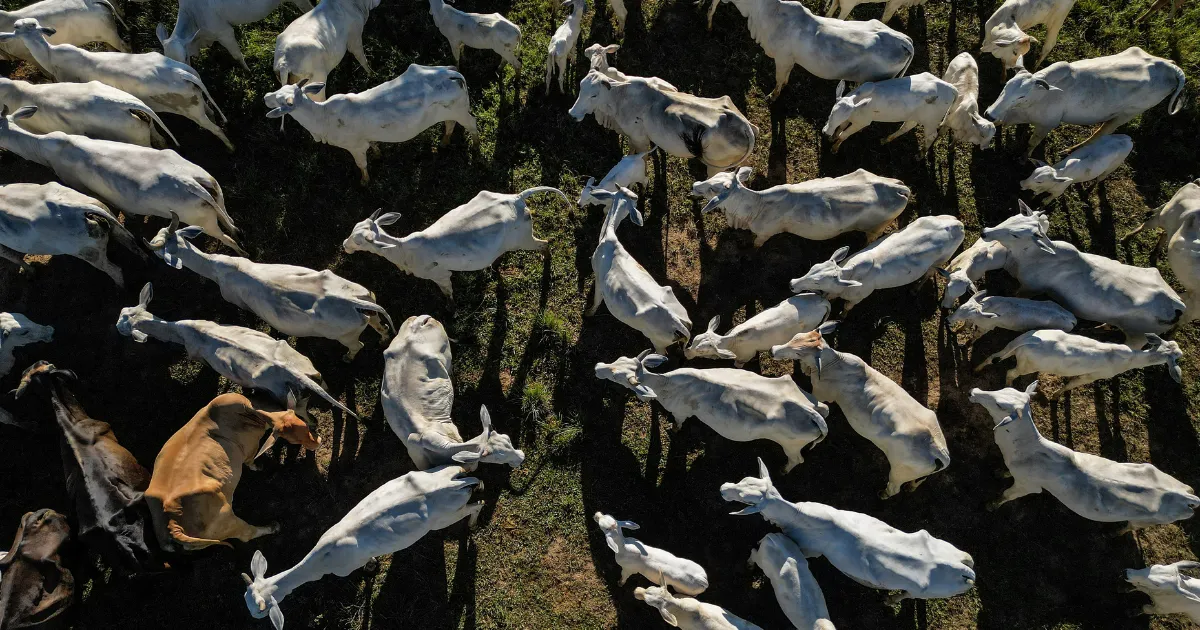
The European Union has signaled its intent to block imports of animal-sourced food products from Brazil, including beef and poultry, effective September 3rd. This decisive action stems from concerns over Brazil's alleged use of antibiotics for growth promotion in livestock, a practice that directly contravenes EU regulations and poses a significant public health risk. Brazil must now provide verifiable evidence of compliance with EU standards to avert this impending ban.
The announcement follows closely on the heels of the provisional application of the EU-Mercosur trade agreement on May 1st. While the ban targets future imports and does not affect current shipments, it highlights a persistent tension between agricultural trade liberalization and stringent health and safety protocols. Experts suggest that Brazil will likely endeavor to meet the EU's demands swiftly, given the relatively modest trade volumes to the EU compared to other export markets. Nevertheless, the situation underscores the broader challenge of aligning international agricultural practices with global health imperatives, particularly concerning antimicrobial resistance (AMR).
Antimicrobial Resistance: A Growing Global Threat
The core of the EU's concern lies in the escalating global threat of antimicrobial resistance (AMR). The non-therapeutic use of antibiotics in livestock for growth enhancement is a well-documented driver of AMR, leading to the development of superbugs that are increasingly resistant to human medicines. The EU maintains some of the strictest regulations globally regarding antimicrobial use in its own agricultural sector, having enforced a ban on growth-promoting antibiotics for domestic producers since 2022. This stance is rooted in the EU's 'One Health' agenda, which recognizes the interconnectedness of human, animal, and environmental health in combating AMR, identified as one of the most critical public health challenges of our era.
The potential ban aims to ensure a level playing field for EU farmers who adhere to higher welfare and stricter antimicrobial usage standards. It also serves to protect European consumers from food products that may harbor antibiotic-resistant bacteria. The EU spokesperson emphasized that compliance is essential for all imported animal products to meet the Union’s stringent food safety standards, protecting both public health and the integrity of the European agricultural market.
Brazil's Compliance Challenges and Recent Actions
Brazil, a major global exporter of agricultural products, faces scrutiny over its veterinary practices. Reports and investigations, including one by the Irish Farmers’ Association, have indicated a potential lack of robust controls on antimicrobial use in Brazilian farms, with antibiotics reportedly being accessible without prescriptions. These findings have raised serious questions about the traceability and safety of Brazilian beef for export markets. The EU's decision is a direct response to these persistent concerns, signaling a zero-tolerance policy for non-compliance.
While Brazil recently banned the use of five performance-enhancing antimicrobials, this measure reportedly only applied to domestic sales, with exports still potentially utilizing these substances. The EU requires not only that exported animals and their products have not received growth-promoting antimicrobials but also that they have not been exposed to certain antibiotics reserved for critical human infections. This dual requirement complicates the compliance process, particularly for animals with longer production cycles, such as cattle, which may be more challenging to certify than shorter-lived species like poultry.
The EU-Mercosur Trade Deal Context
The EU-Mercosur trade agreement, which aims to foster economic integration between the EU and the Southern Common Market countries (Argentina, Brazil, Paraguay, and Uruguay), has been met with significant opposition. Critics argue that the deal could lead to increased deforestation in South America, driven by agricultural expansion, and flood the EU market with products from countries with lower environmental and animal welfare standards. The current dispute over antibiotic use adds another layer of complexity to the ratification and implementation of this contentious trade pact.
The EU has stated that other Mercosur members have provided the necessary guarantees of compliance regarding antimicrobial use, suggesting that the ban is specifically targeted at Brazil's current practices. The EU’s spokesperson reiterated that if Brazil demonstrates compliance, its exports will be authorized, indicating a pathway for resolution. However, the timeline for this demonstration and subsequent authorization remains contingent on Brazil’s ability to implement and verify effective controls across its supply chain.
Impact Analysis
The EU's threatened ban on Brazilian animal food imports, while potentially having a limited immediate economic impact due to current trade volumes, carries significant weight. It underscores the EU's commitment to its stringent food safety and public health standards, particularly concerning AMR. For Brazil, this presents a critical juncture to reform its agricultural practices to align with international expectations, potentially impacting its broader export strategy. The situation also amplifies the debate surrounding the EU-Mercosur trade deal, highlighting the challenges of balancing trade liberalization with the enforcement of high environmental and health standards. Failure to resolve the issue could strain diplomatic and trade relations, while successful compliance could set a precedent for improved agricultural practices globally.