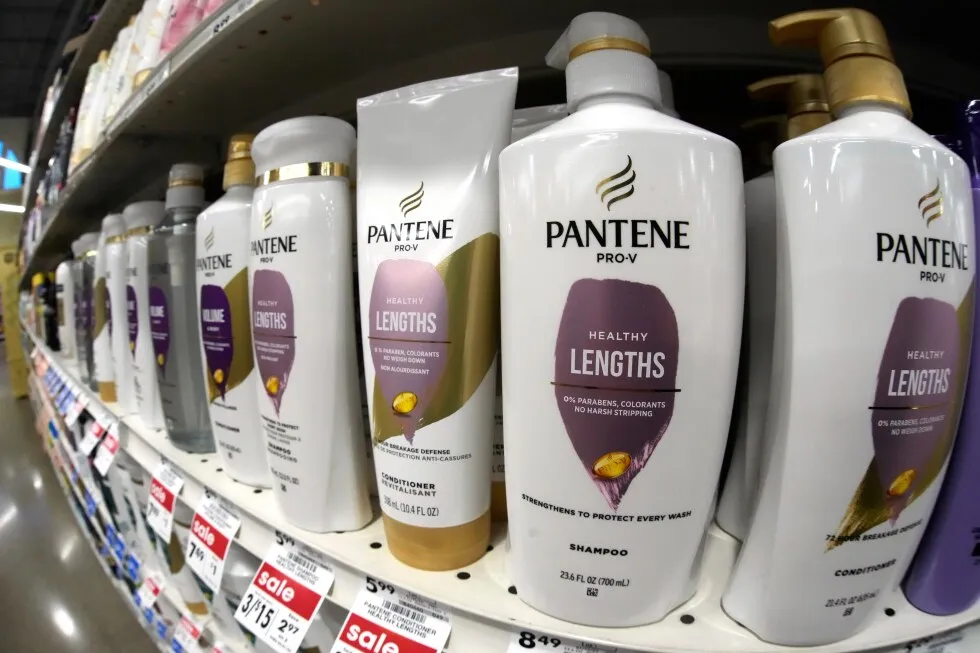
The allure of luxurious hair often begins with the shampoo bottle. Elaborate packaging and compelling marketing campaigns can create the impression that premium-priced shampoos and conditioners are indispensable elixirs for all hair concerns. This raises a perennial question for consumers: Do the higher price tags translate into demonstrably better results, or are they merely a product of sophisticated branding? Experts in dermatology and trichology suggest that while expensive options can be effective, the efficacy of affordable drugstore alternatives is often underestimated, providing comparable, if not superior, benefits for many individuals.
The key to discerning value in hair care lies not solely in the price point but in understanding the ingredients, individual hair and scalp needs, and the overall hair care regimen. While some high-end products may incorporate novel or potent active ingredients that justify their cost, the fundamental principles of hair cleansing and conditioning can be met by a wide array of accessible products. Factors such as brand recognition, marketing investment, and the use of sustainable or organic components can significantly influence the final price, often independent of the product's core performance.
Understanding Your Hair Type and Needs
Dermatologists emphasize that effective hair care begins with a personalized approach, recognizing that a one-size-fits-all solution is rarely optimal. Dr. Crystal Aguh, a dermatologist and director of the Ethnic Skin Program at Johns Hopkins School of Medicine, categorizes hair into two primary types: damage-prone and damage-resistant. This distinction is crucial for selecting appropriate products and practices.
Damage-prone hair typically includes types that are very curly, have undergone chemical treatments such as coloring or perming, or are frequently styled with heat. These processes can compromise the hair's structural integrity, making it more susceptible to dryness, breakage, and damage. Conversely, damage-resistant hair often refers to types that are naturally oily or straight, which tend to retain moisture more effectively and withstand styling stresses with less adverse effect.
Shampoo Ingredients and Their Impact
A critical factor in product selection is understanding the role of key ingredients. Dr. Aguh advises individuals with damage-prone hair to be mindful of shampoos that list sodium lauryl sulfate (SLS) as a primary cleansing agent. SLS is a powerful surfactant known for its efficacy in removing dirt and oil. However, its potency can also strip the hair and scalp of natural oils, known as sebum, which are vital for maintaining moisture and protecting the hair shaft. Excessive removal of sebum can lead to dryness, increased brittleness, and a higher risk of breakage, particularly for hair already weakened by styling or chemical treatments.
For those with damage-resistant, oily hair, more frequent washing might be suitable, potentially daily. In contrast, individuals with tightly curled or coily hair, or those who frequently color or chemically treat their hair, are often advised by experts to wash their hair less frequently, perhaps once a week or every two to three days for wavy, color-treated hair. This conservative approach helps preserve natural oils, which are essential for scalp health and hair resilience.
The 'Process' Over 'Product' Philosophy
A central tenet advocated by dermatological experts is that the overall hair care routine, or 'process,' often holds more significance for hair health than the specific products used. Dr. Aguh stresses that while premium shampoos can be beneficial, the frequency of washing, the use of heat styling tools, and chemical treatments are primary determinants of hair condition.
This perspective suggests that investing in expensive, single products without addressing underlying habits may yield limited results. Instead, a holistic review of one's routine—adjusting washing schedules, moderating heat styling, and considering gentler treatment methods—can often bring about more substantial improvements. Experts also note that mixing products from different brands, both high-end and mass-market, is perfectly acceptable and can be a cost-effective strategy for achieving desired hair health outcomes.
Economies of Scale and Ingredient Value
The price disparity between luxury and drugstore brands can often be explained by manufacturing and marketing efficiencies. Large corporations benefit from economies of scale, allowing them to produce goods at a lower per-unit cost. Smaller companies, while perhaps focusing on niche markets or specialized ingredients, may not achieve the same cost advantages, leading to higher retail prices for their products.
Moreover, the value proposition of a product is not solely dictated by its brand name. Dr. Joe Tung, a dermatologist at the University of Pittsburgh Medical Center, likens shampoo to skincare for the scalp. He explains that the scalp is a dynamic biological environment requiring balance. Shampoos designed to address scalp conditions like dandruff or inflammation, he notes, work due to the efficacy of their active ingredients, such as antifungal agents, rather than their brand prestige. Similarly, conditioners should be chosen based on hair texture and damage level, with simpler formulations often being better tolerated by sensitive skin.
Sustainability and Ingredient Integrity
In recent years, a growing number of brands have prioritized sustainability and organic ingredients, which can also influence pricing. Monique Mason, owner of MOKO Organic Beauty Studio in Philadelphia, offers organic shampoos and conditioners that range from $24 to $45. She highlights that organic formulations typically exclude inexpensive but potentially harsh ingredients like sulfates, synthetic fragrances, and parabens. The sourcing of these organic ingredients and the brand's commitment to sustainable manufacturing practices also contribute to the cost.
Mason emphasizes the importance of transparency and ethical sourcing, indicating that she personally vets brands to ensure their claims about organic farming and sustainable practices are verifiable. This dedication to ethical production, coupled with high-quality, natural ingredients, forms the basis of her pricing strategy, offering products that are both beneficial for consumers and the environment.
Ultimately, the decision between expensive and affordable shampoos hinges on a nuanced understanding of ingredient efficacy, personal hair and scalp requirements, and a willingness to evaluate the entire hair care process. While premium brands may offer appealing formulations, effective and economical solutions are widely available, provided consumers prioritize informed choices based on scientific understanding rather than solely on marketing allure.